The WISEMED project is making important progress in Tunisia by addressing water scarcity challenges and promoting more sustainable water management practices through innovation, cooperation, and local engagement.
WISEMED – MEDiterranean joint Water management and conservatIon SustainablE solutions is funded by the European Union under the Interreg NEXT MED Programme and coordinated by the Istituto per la Cooperazione Universitaria (ICU).
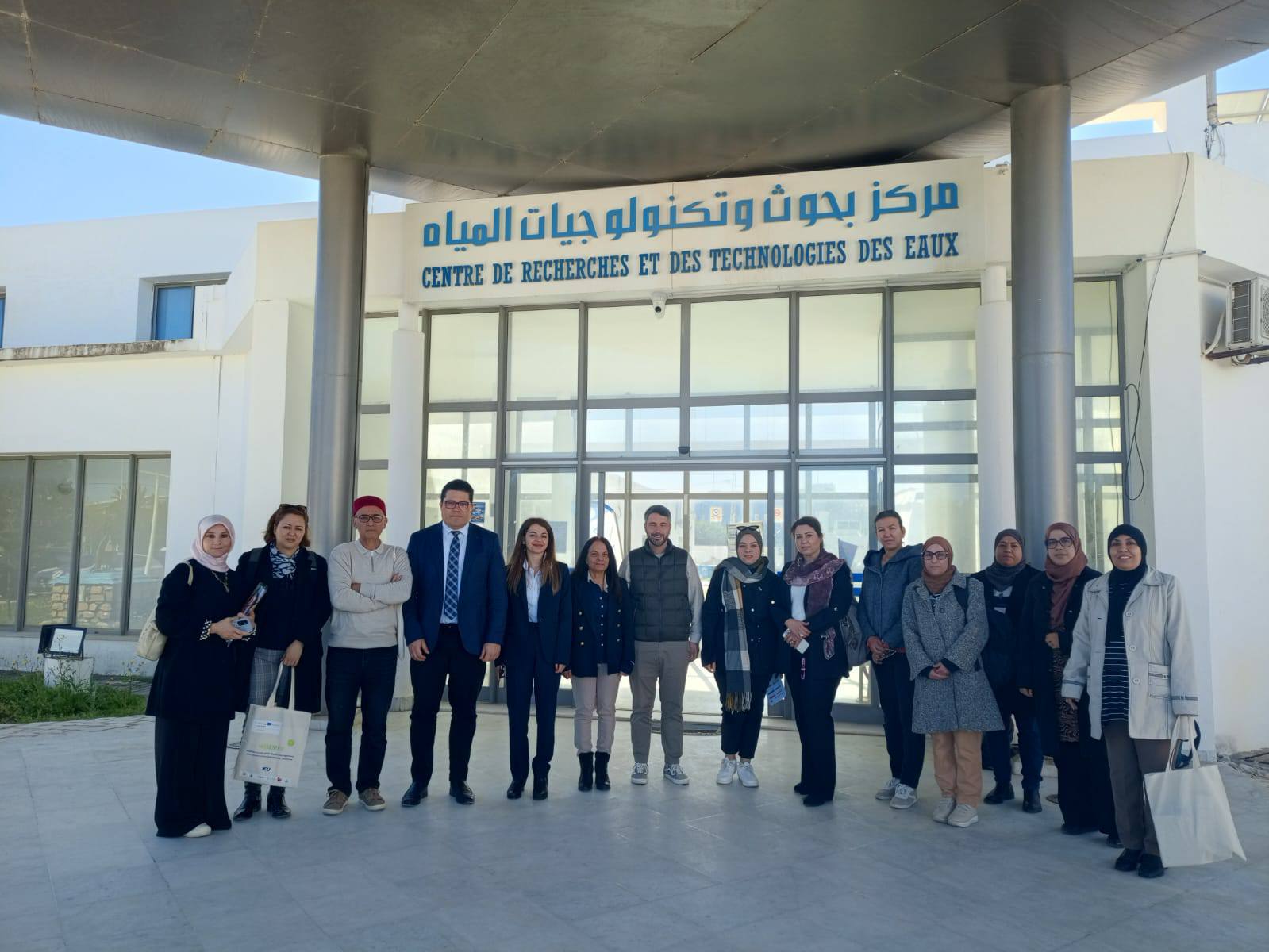
Thanks to the joint efforts of ICU and the Tunisian partners INRGREF (Institut National de Recherches en Génie Rural, Eaux et Forêts) and CERTE (Centre de Recherches et des Technologies des Eaux), the project is laying the groundwork for concrete and long-term impact.
Tunisia is classified as a water-scarce country, with renewable water resources estimated at less than 450 m³ per capita per year. The country has also been increasingly affected by climate change, with severe droughts recorded over the past decade, leading to growing water stress and threatening agricultural productivity.
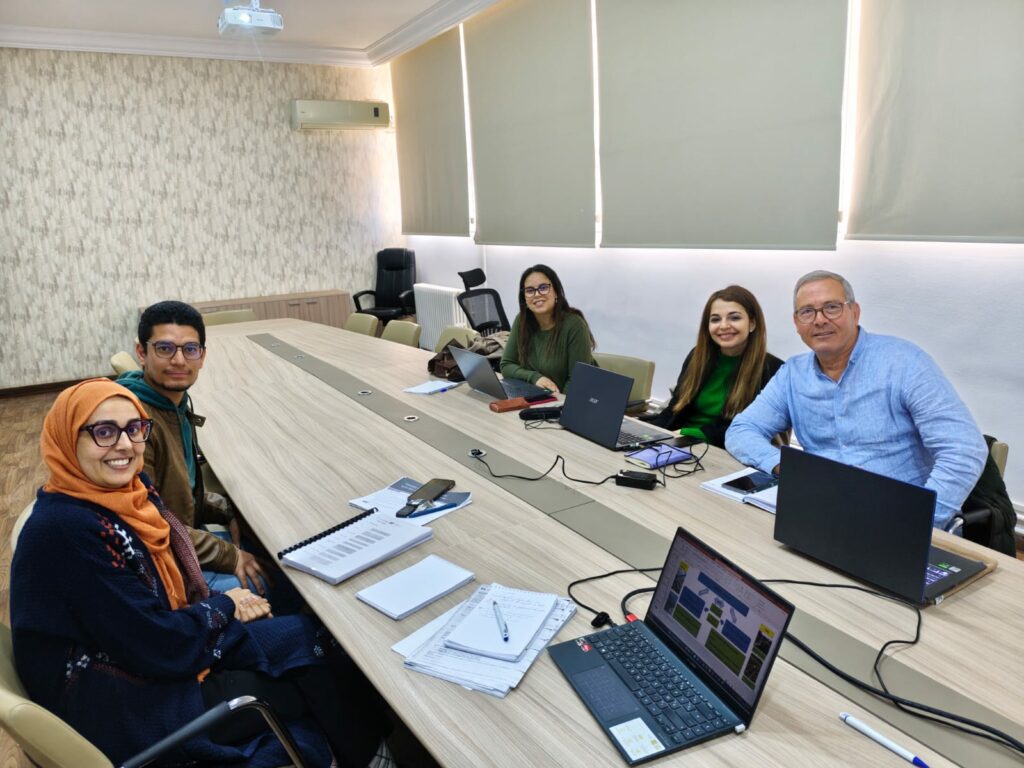
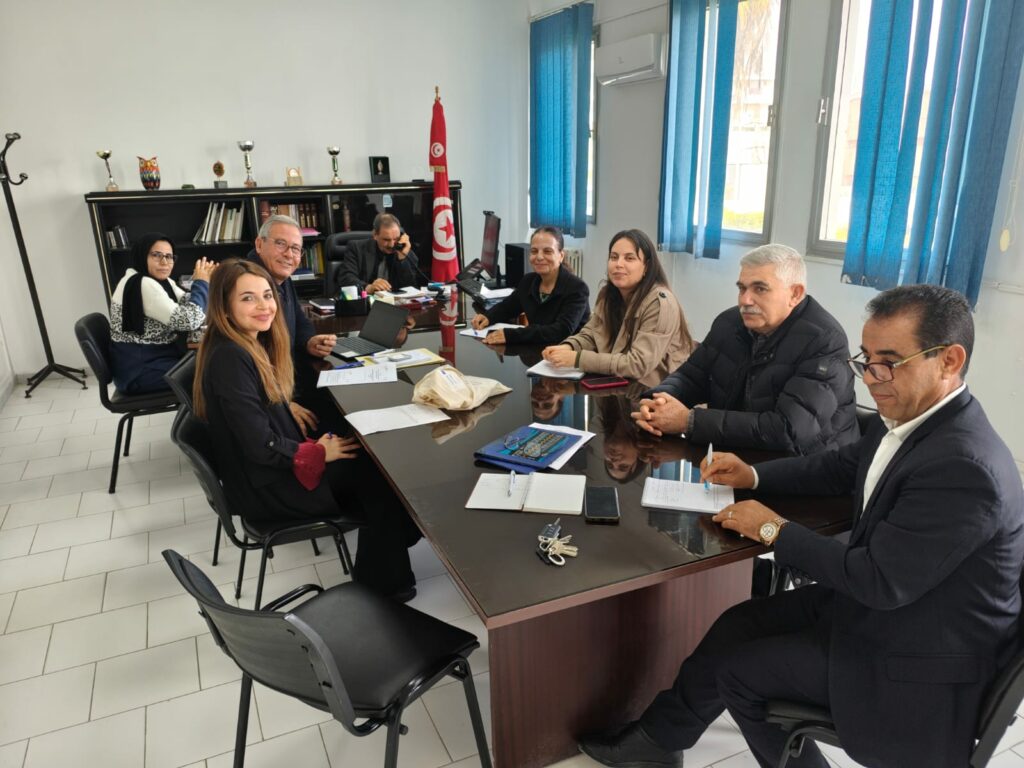
In response to these challenges, WISEMED is strengthening cooperation with key institutional stakeholders, particularly CRDA Nabeul, an associated partner of the project and the regional authority of the Ministry of Agriculture. Through dedicated coordination meetings, project partners presented key activities and aligned operational steps, reinforcing institutional collaboration.
CRDA Nabeul plays a crucial role in supporting project implementation by providing access to essential hydrological and agricultural data, ensuring consistency with national policies, and facilitating the adoption of innovative solutions related to Water Use Efficiency (WUE) and Non-Conventional Water (NCW).
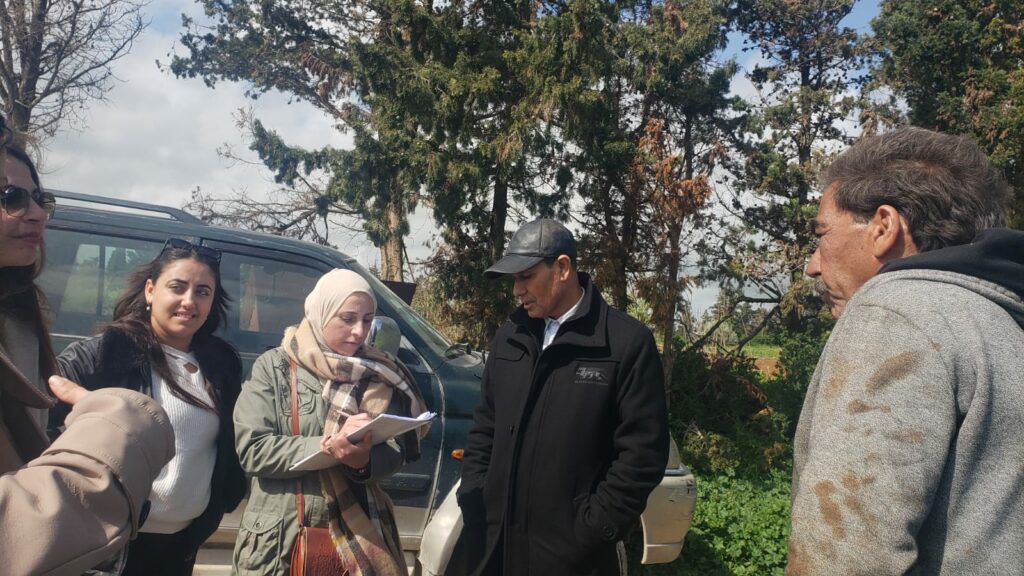
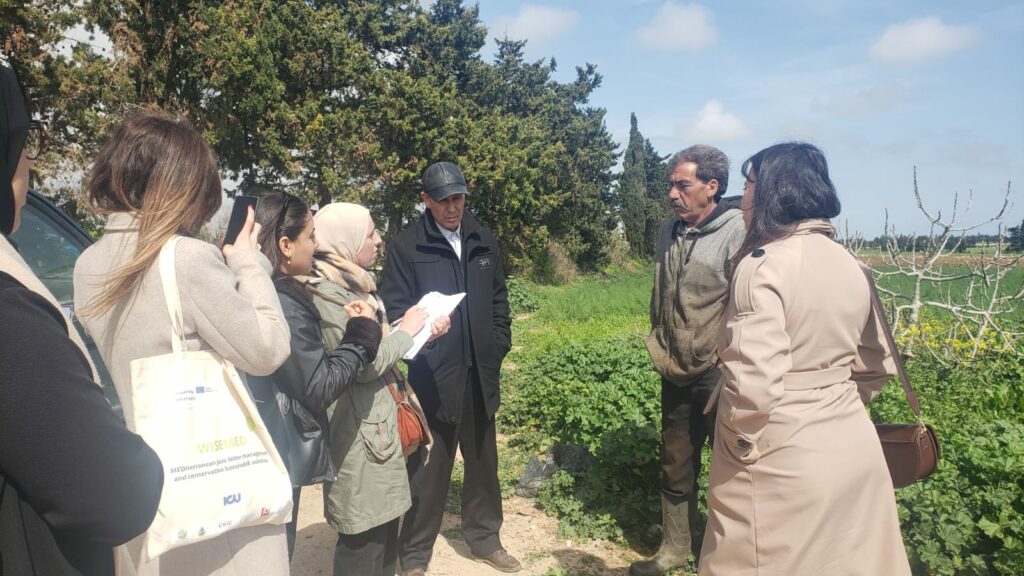
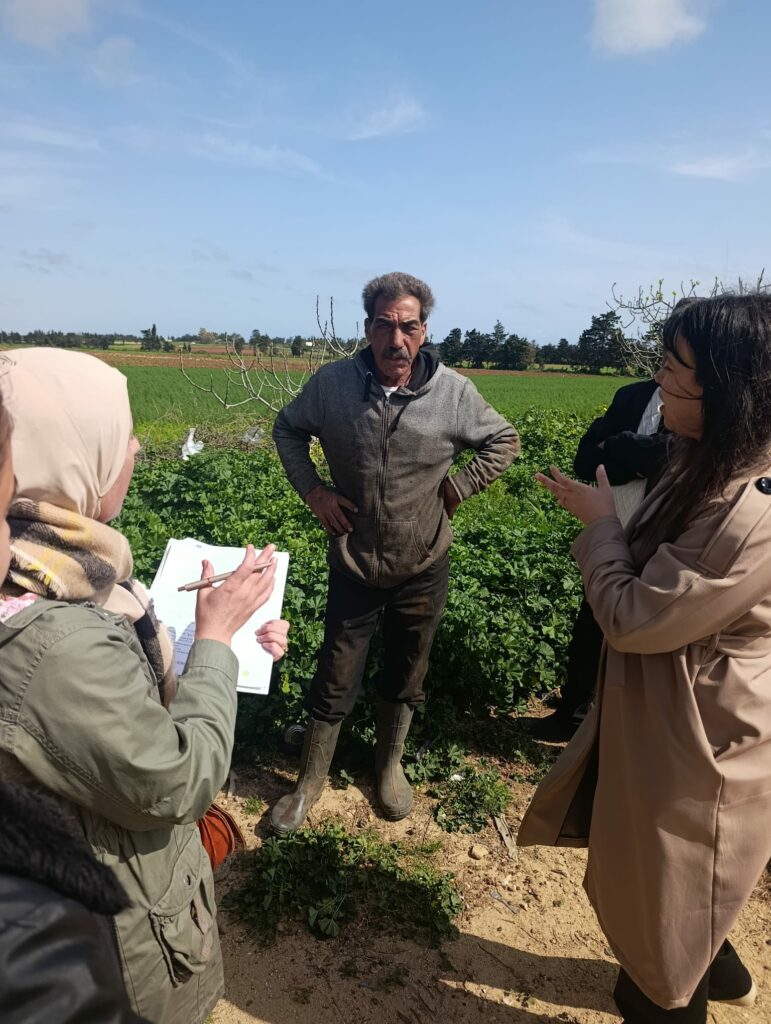
At the local level, WISEMED has also actively engaged GDAs (Groupements de Développement Agricole) through field visits and information sessions involving farmers. These activities have strengthened connections with local communities and supported the implementation of pilot actions. Acting as a bridge between the project and farmers, GDAs play an important role in encouraging the adoption of innovative practices and integrating project solutions into daily agricultural activities.
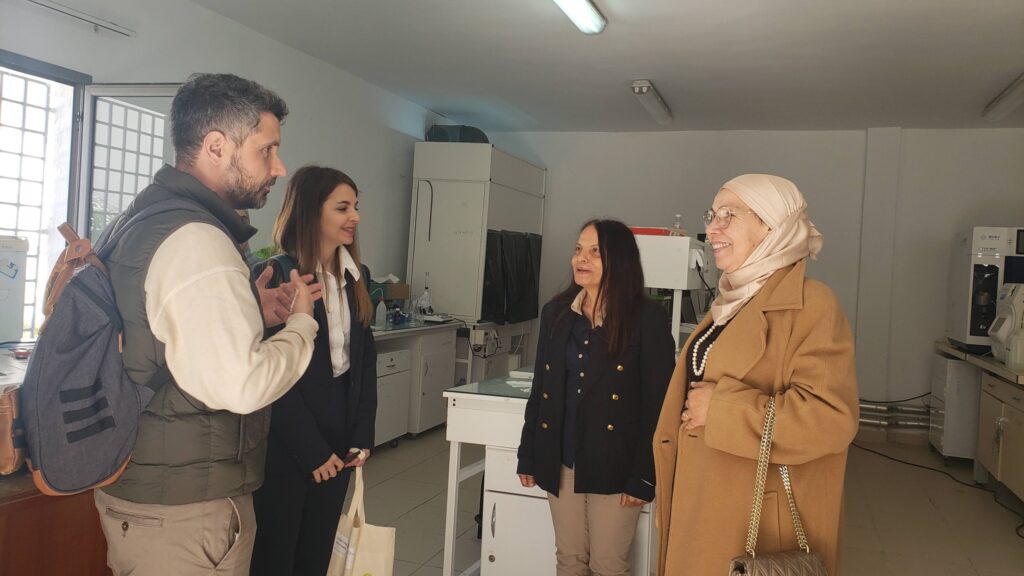
One of WISEMED’s key strengths lies in its ability to connect research, policy, and practice. By fostering dialogue among institutions, researchers, farmers, and local associations, the project is turning knowledge into action and innovation into practical solutions on the ground.
By strengthening local capacities, supporting institutional cooperation, and paving the way for scalable solutions, WISEMED is contributing to a more sustainable, efficient, and resilient water future in Tunisia.
 Next Med