This article is part of a series of stories that explore environmental challenges and youth initiatives in each country and region participating in YouthCARE4planet project in the Mediterranean.
A city increasingly exposed to heavy rainfall
Palermo has always had a complex relationship with water. Built between the sea and surrounding hills, the city’s urban fabric reflects centuries of adaptation to seasonal rains. Palermo, the capital of the autonomous region of Sicily in Italy, lies on the northwest coast of the island by the Tyrrhenian Sea. Nestled in a bay at the foot of Mount Pellegrino, it is Sicily’s largest city, known for its rich history and busy port.
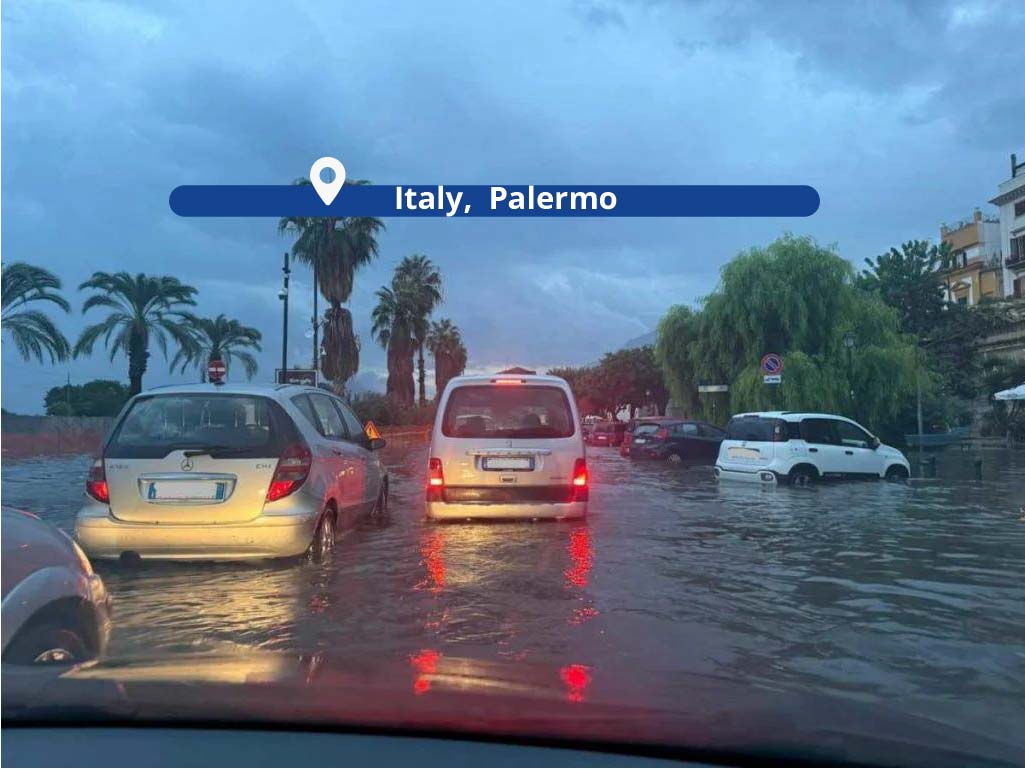
In recent years, however, rainfall patterns have changed. Sudden, intense downpours are becoming more frequent, overwhelming drainage systems and turning streets into rivers within minutes. These episodes are no longer exceptional. Neighbourhoods such as Mondello, Brancaccio, and parts of the historic center have repeatedly experienced flooded roads, blocked traffic, and damaged ground floors. For residents and commuters, heavy rain increasingly means disruption, delays, and safety concerns.
Climate change and urban vulnerability
The rise in extreme rainfall events is closely linked to climate change. Warmer air holds more moisture, leading to shorter but more intense storms. In a dense city like Palermo, where large areas are sealed by asphalt and concrete, water struggles to drain quickly. Aging infrastructure adds to the problem. Drainage networks designed decades ago are often unable to cope with today’s rainfall volumes.
The result is a combination of environmental stress and urban fragility, where even a few hours of rain can have widespread impacts on daily life. In Palermo, this means that simple daily activities—from commuting to shopping—can be disrupted, showing how climate change is no longer a distant threat but a reality unfolding in city streets.
Everyday impacts on the community
Urban flooding affects more than traffic. Shop owners report repeated losses, public transport is interrupted, and pedestrians face unsafe conditions. Schools and workplaces are sometimes forced to close, while emergency services operate under pressure.
These recurring events also shape how residents perceive their city. For many Palermitans, intense rain brings anxiety and uncertainty, reinforcing the sense that climate change directly affects their daily lives and neighborhoods.
Youth-led innovation: the experience of 90100 Lab
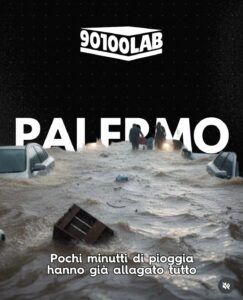
Within this challenging context, young people are emerging as key actors in Palermo’s response. One example is 90100 Lab, a local association founded by young professionals and activists aiming to address urban and environmental challenges through data and digital tools.
90100 Lab has developed platforms and applications that allow citizens to monitor rainfall, report flooding, and share real-time information. These tools help map critical areas and provide valuable data to support informed decision-making by institutions and communities.
For more details, consult the project website here.
For many young volunteers, technology becomes a form of civic engagement. By transforming smartphones and open data into tools for collective awareness, they bridge the gap between everyday experience and urban planning. This approach gives residents a voice while helping the city prepare for future floods.
From reporting problems to building resilience
Beyond digital solutions, youth mobilization in Palermo reflects a broader shift toward active citizenship. Workshops, public discussions, and collaborations with universities and local groups help spread awareness about climate risks and urban adaptation.
The goal is not only to report problems but to contribute to long-term resilience. Young people involved in initiatives like 90100 Lab advocate for better planning, greener infrastructure, and maintenance strategies that consider future climate scenarios.
Rethinking the city’s future
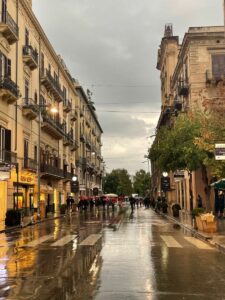
Palermo’s experience highlights a challenge shared by many Mediterranean cities: adapting historic urban environments to a rapidly changing climate. For the younger generation, responding to urban flooding means rethinking how cities function, how data is used, and how communities participate in shaping solutions.
As intense rainfall events become more frequent, youth-driven initiatives show that resilience starts with local knowledge and collective action. In Palermo, young people are turning climate challenges into opportunities to imagine a safer, more responsive city for the future.
 Next Med