A new research project, led by the Oceanography Center of the University of Cyprus, aspires to change the way the Mediterranean monitors and addresses the impacts of climate change. With a total budget of €2,808,453 from the Interreg NEXT MED Programme and a duration of three years, the MedJICARP project brings together scientists and organizations from eight countries, with the common goal of strengthening the region’s resilience to the climate crisis.
The Mediterranean Sea in crisis
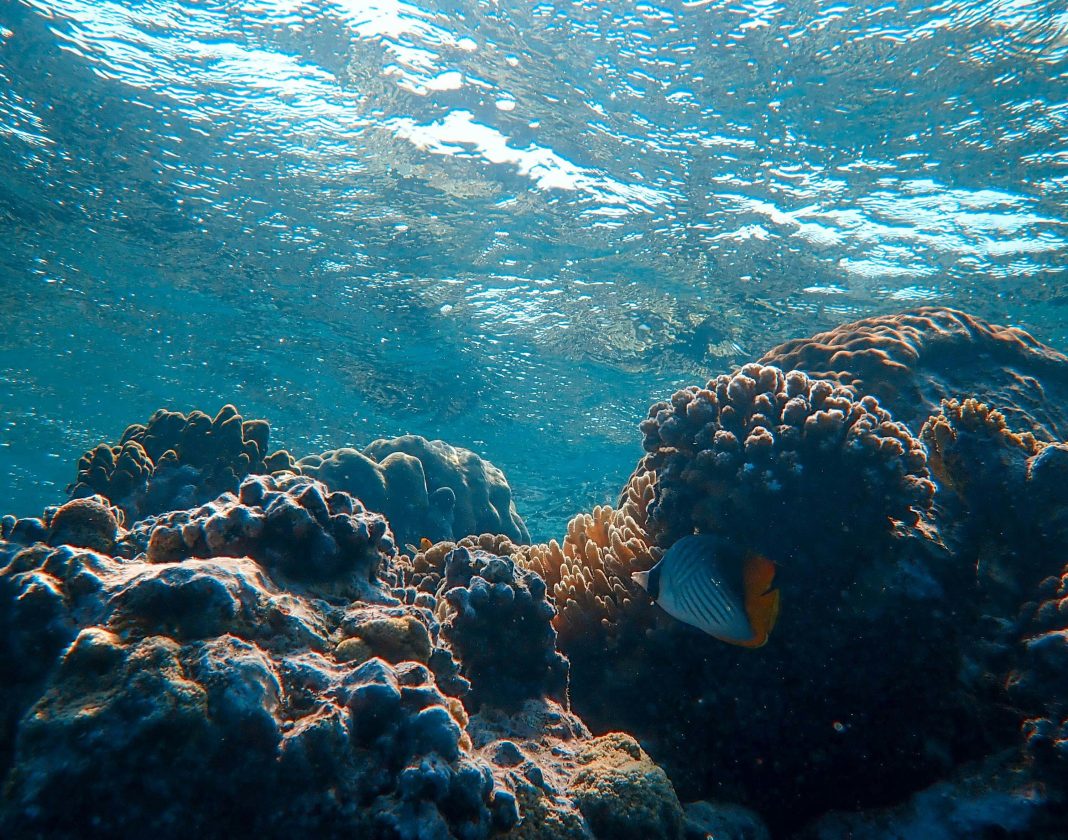
The Mediterranean Sea is very sensitive to climate change, warming 20% faster than the global average, with marine ecosystems already impacted. Issues such as rising sea water temperatures, increasing salinity and invasive species, are already affecting sectors such as fisheries and tourism. The eastern Mediterranean in particular, is a hotspot of rising sea water temperatures, and therefore, countries in this region are in urgent need of increased climate resilience and adaptation capacity. As a result of large-scale warming, it is expected that the frequency and intensity of extreme events will increase. Such events include storm surges, erosion, flash floods, and Mediterranean hurricanes (“Medicanes”). Further, many coastal areas are vulnerable targets for maritime safety and marine pollution. To respond to scientific and societal challenges in the Mediterranean, there is the need for a sustainable and cost-effective multi-platform observing infrastructure.
What MedJICARP will deliver
MedJICARP aims to provide a platform for the exchange of scientific knowledge, best practices, and lessons learned in operational oceanography for climate change monitoring. By combining expertise, modern equipment, and scientific collaboration, MedJICARP aims to:
- Establish a transnational monitoring network of the marine environment, collecting and processing real-time data.
- Develop forecasting tools for a better understanding of phenomena such as sea level rise and Mediterranean cyclones.
- Strengthen civil protection and preparedness by providing authorities and relevant stakeholders with data for targeted adaptation measures.
- Support fisheries and maritime businesses with reliable information to help them adapt to changing conditions.
- Empower NGOs and civil society by providing access to data, educational tools, and collaborative platforms to promote adaptation policies.
- Train and connect researchers and students by offering data and cooperation opportunities that will enhance climate research in the region.
- Inform and raise public awareness so that citizens understand the impacts of climate change and actively engage in adaptation actions.
An international collaboration
The project brings together nine leading scientific institutions from eight countries:
- University of Cyprus Oceanography Centre (Cyprus) – Coordinator
- Cyprus Marine and Maritime Institute – CMMI (Cyprus)
- Hellenic Centre of Marine Research (Greece)
- L-Università ta’ Malta (Malta)
- Università degli Studi di Palermo (Italy)
- Instituto Superiore per la Protezione e la Ricerca Ambientale – Italian Institute for Environmental Protection and Research (Italy)
- National Council for Scientific Research (Lebanon)
- National Institute of Oceanography and Fisheries (Egypt)
- National Institute of Marine Sciences and Technologies (Tunisia)
MedJICARP is funded by the Interreg NEXT MED Programme and aspires to become a reference point for regional cooperation in addressing one of the greatest challenges of our time.
For more information:
Dr. Monica Demetriou, Researcher, Oceanography Center, University of Cyprus | E: demetriou.monica@ucy.ac.cy | https://oceanography.ucy.ac.cy |Facebook: https://www.facebook.com/oceanographyCY
 Next Med