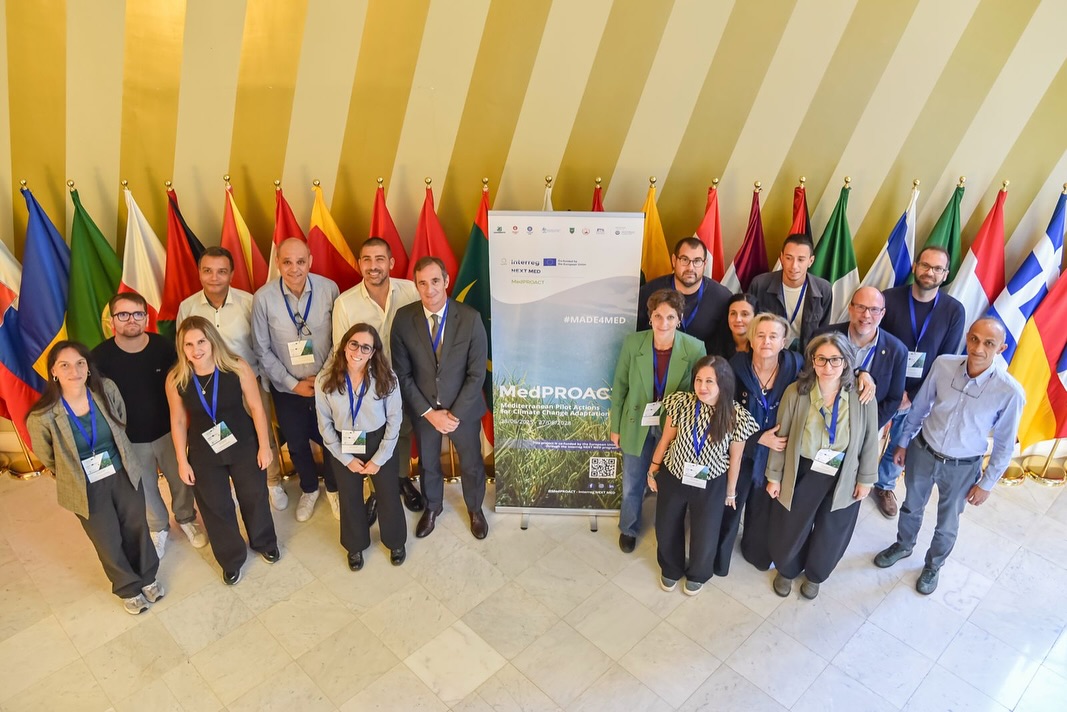
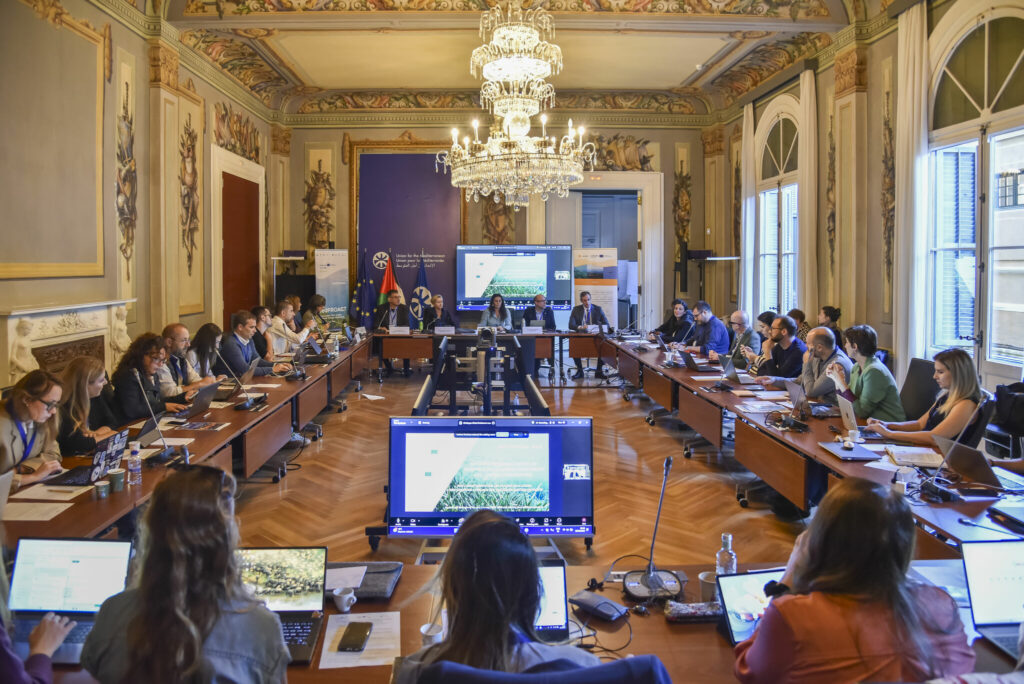
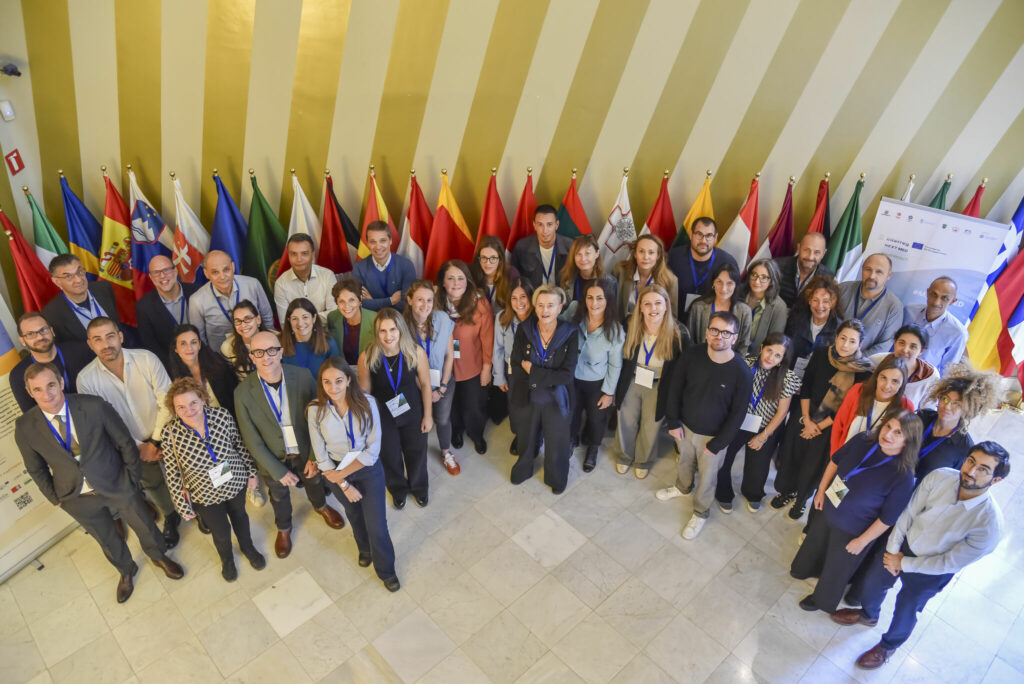
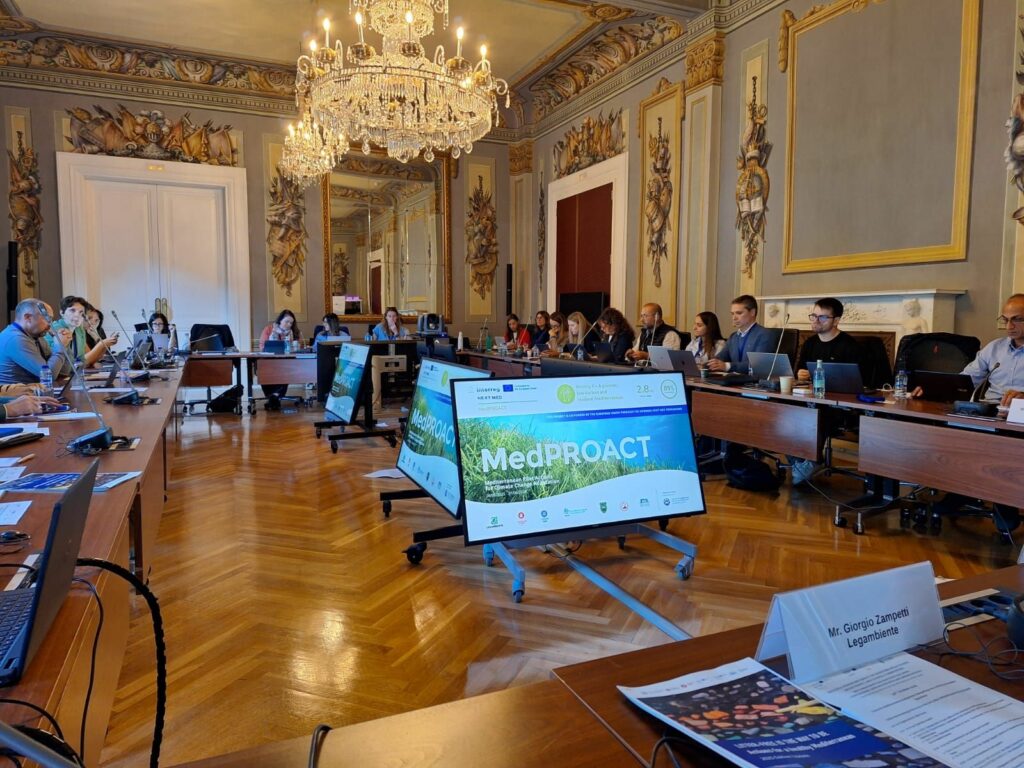
Long an intercultural city and a crossroads of routes across the Mediterranean, Barcelona hosted on 30/10 an initiative marking the beginning of two new cooperative pathways to address the climate crisis and the multiple anthropogenic stresses on marine ecosystems. Both initiatives are co-financed by the European Union and are part of the Plastic Busters initiative, labelled by the Union for the Mediterranean.
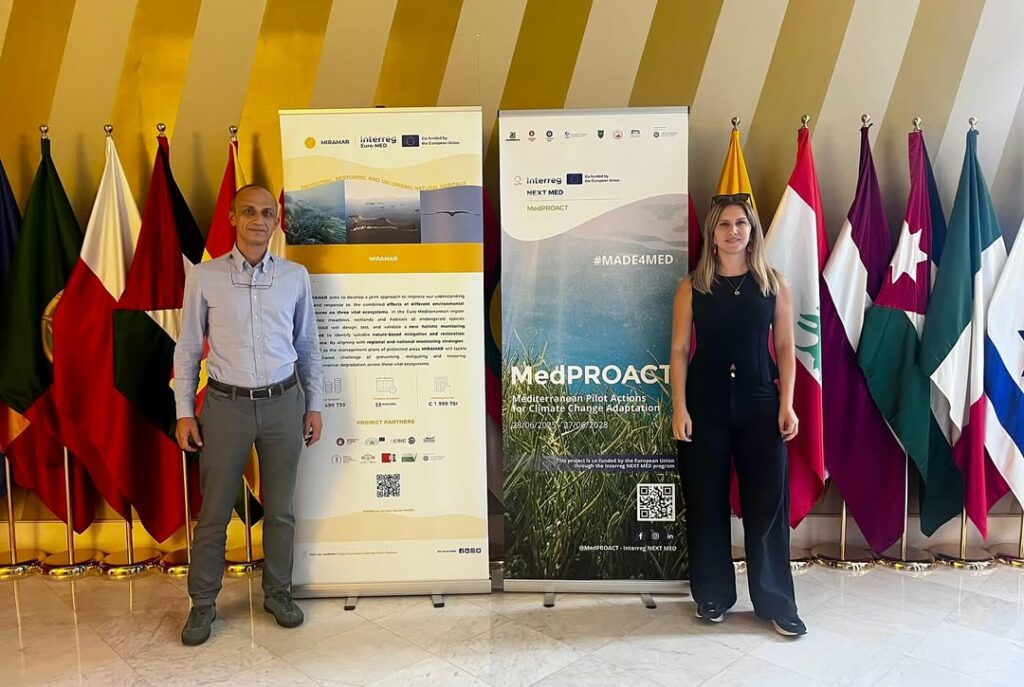
“The Impact of Multiple Stressors on Marine Biodiversity and Coastal Communities in the Mediterranean: New Commitments to Address Climate Change Adaptation Challenges Through the Plastic Busters Initiative” was the title of the event held on 30/10 at the Union for the Mediterranean headquarters in Barcelona. It was an opportunity to present two new European projects, Interreg NEXT MED MedPROACT and Interreg Euro-MED MIRAMAR, and to confirm the full synergy between the two Interreg programs for the future of a more sustainable and climate-resilient Mediterranean Sea.
Both projects will work closely with each other and with countries across the Mediterranean basin, from Spain to Tunisia, from Italy to Turkey. Their work will focus on developing new methodologies to monitor the multiple impacts on Mediterranean biodiversity, the resulting restoration of marine ecosystems, and increasing the resilience of key economic sectors along the Mediterranean coasts (especially fishing and tourism), which, along with ecosystem stability, are severely impacted by climate change, plastic pollution, and emerging contaminants.
Innovative solutions and pilot actions will be implemented by Interreg NEXT MED MedPROACT in 10 pilot areas across Italy (the “Secche della Meloria” fdoff Livorno in Tuscany, Capo Milazzo (Messina), the Egadi and Pelagie Islands in Sicily, and the coast between Otranto and Leuca (Lecce) in Puglia), Jordan, Tunisia, and Turkey. The actions undertaken here will focus on the management of invasive fish species, the development of new strategies for adapting the fishing sector, restoration of Posidonia oceanica meadows and coral reefs, and the development of governance tools, such as Adaptation Plans and Guidelines.
“For Legambiente, it is an important recognition to be asked to once again coordinate a strategic project for the Mediterranean Sea, and today’s event demonstrates the importance of networking with all the organizations working on these issues. Coastal countries must develop a united and coordinated effort to address complex challenges such as those posed by the climate crisis, which today affect not only the marine ecosystem, but also local communities and economies,” says Giorgio Zampetti, Director General of Legambiente, leader of the MedPROACT project. “Building on past initiatives on the same issues in other international projects such as the Common project, we will develop concrete actions and operational resilience tools that support these communities and serve as models for other areas in the future, enabling them to implement effective climate change adaptation plans.”
MIRAMAR is the lead project of the Plastic Busters initiative, co-funded by the European Union through the Interreg Euro-MED program. Maria Cristina Fossi, full professor at the University of Siena and project leader, states: “The University of Siena, together with seven other Mediterranean partners, through the MIRAMAR project aims to address one of the most significant challenges facing the Mediterranean region. Unique in the world for its biodiversity, this region continues to face increasing pressures, such as the simultaneous presence of emerging contaminants, marine pollution including microplastics, the presence of alien species, underwater noise, and habitat destruction. All these stressors, resulting from increasingly intense human activities and exacerbated by climate change, are causing long-term impacts on the stability of ecosystems and the well-being of coastal communities. MIRAMAR therefore has the concrete objective of enhancing the scientific knowledge of local communities in nine pilot areas and strengthening regional cooperation to address these complex challenges.”
The synergy between the MIRAMAR and MedPROACT projects will enable the development of innovative and harmonized methodologies for monitoring the cumulative impact of specific stressors, as well as presenting best practice examples that highlight successful cases in ecosystem restoration and pollution mitigation.
The Plastic Busters Initiative, founded in 2013 to combat marine litter and protect the biodiversity of these ecosystems, has evolved over the years through study and understanding of the environmental problems affecting the Mediterranean, including other issues. As this morning’s event also demonstrated, the initiative now aims to assess the impact of climate change and multiple anthropogenic stressors on the affected marine ecosystems and propose concrete solutions. Numerous actions have been carried out over the years, strengthened by the recognition received from the Union for the Mediterranean in 2016, with the awarding of its label to the initiative, demonstrating its importance in terms of shared vision and cooperation across the Mediterranean.
INTERVIEW with Giorgio Zampetti, Legambiente’s General Director (Lead Partner of MedPROACT project).
 Next Med