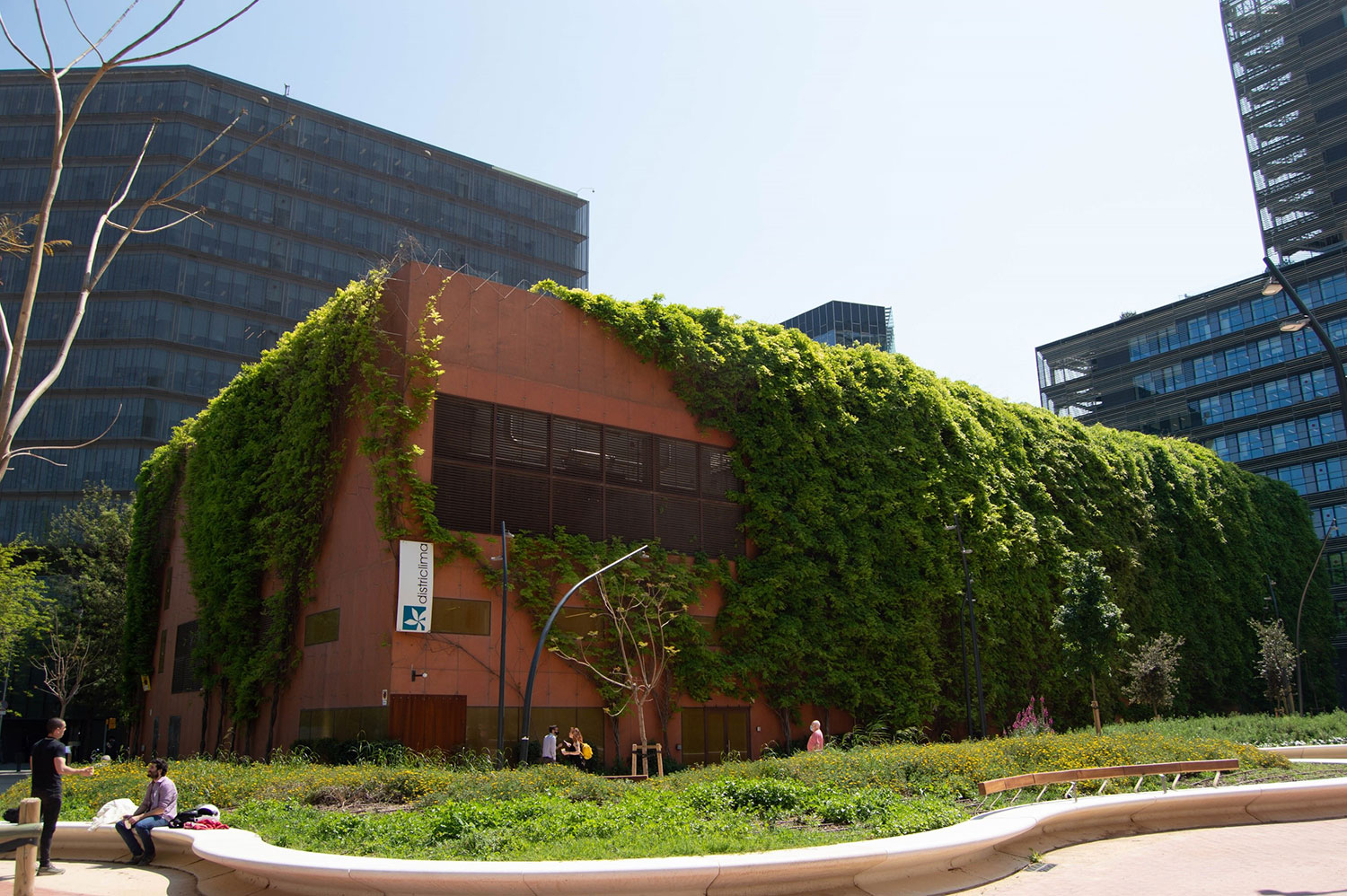
Barcelona is showcasing how Mediterranean cities can cool buildings more efficiently and sustainably through an innovative demonstration under the EU-funded STORM project. Located at the Tànger Power Plant in the city’s 22@ innovation district, the pilot highlights how thermal energy storage can reduce emissions, cut peak electricity demand, and improve the resilience of urban energy systems.
As cities face rising temperatures, space constraints, and growing demand for cooling, solutions that store energy when it is most available — and use it when it is most needed — are becoming increasingly important.
Turning off-peak energy into on-demand cooling
The Tànger Power Plant, operated by Districlima, was originally designed to cover peak demand and provide backup capacity for Barcelona’s district cooling network. Through STORM, the site now demonstrates a smart cooling approach using ice-based thermal energy storage.
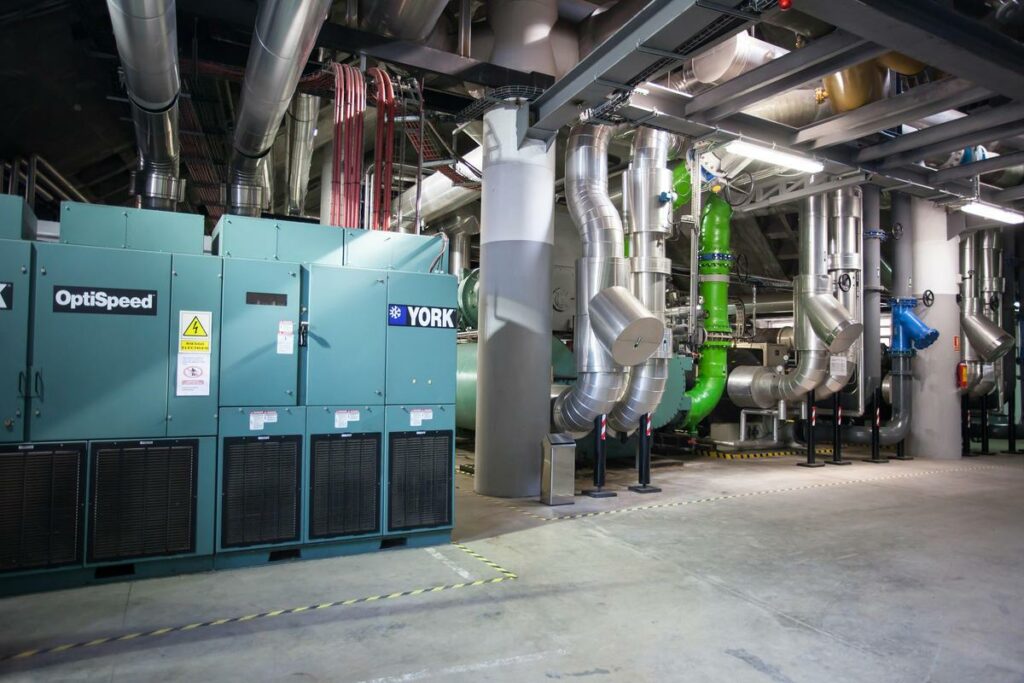
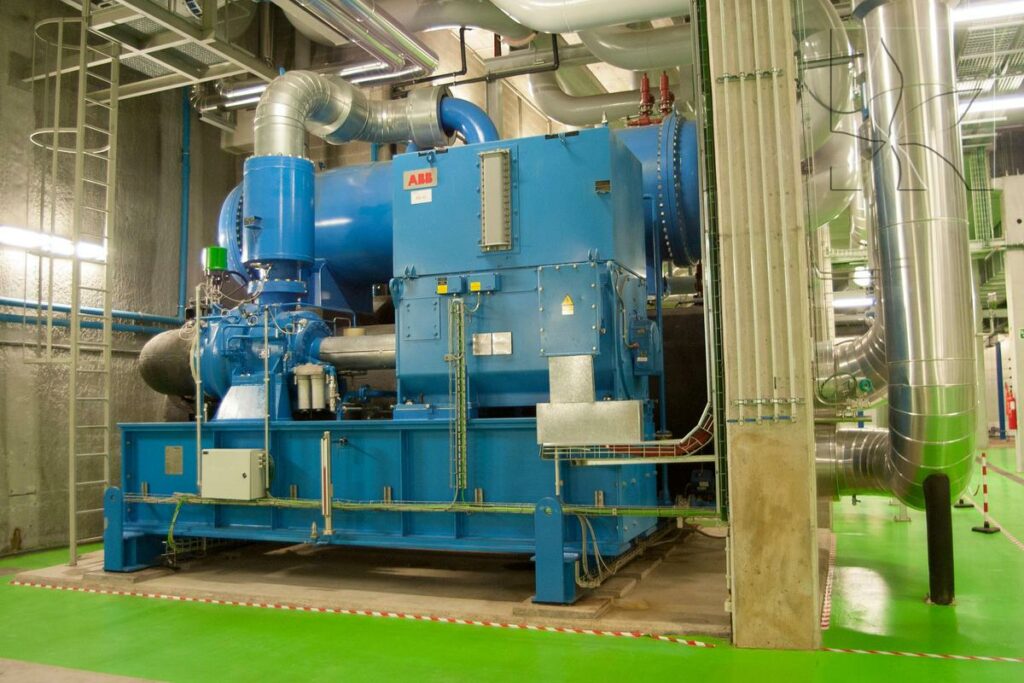
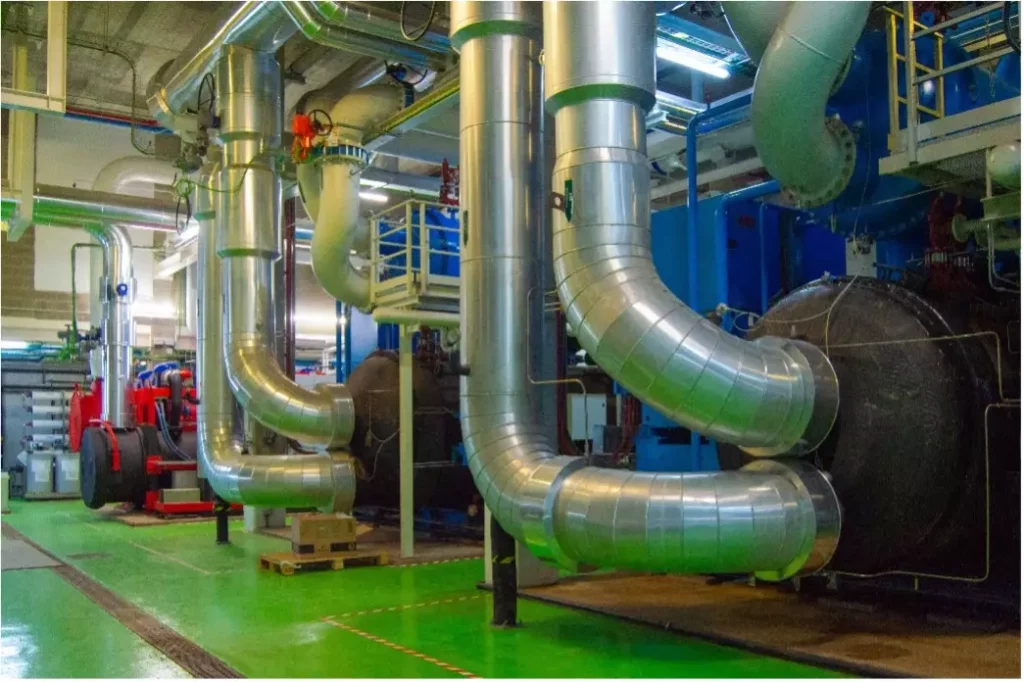
Cooling energy is produced during off-peak hours, when electricity demand and costs are lower, and stored in the form of ice. During periods of high demand, this stored cooling energy is released, reducing the need to generate additional power at peak times. The system combines compression cooling units, natural gas boilers, and three ice-storage tanks with a total capacity of 120,000 kWh, allowing the plant to respond quickly and flexibly to urban cooling needs.
The result is a more efficient use of energy, lower operational costs, and reduced pressure on the electricity grid — benefits that are particularly relevant for dense Mediterranean cities.
A solution with environmental and economic benefits
By shifting cooling production to off-peak hours and reducing reliance on fossil-fuel-based generation during critical periods, the Barcelona pilot contributes to lower CO₂ emissions and improved energy efficiency. At the same time, it demonstrates how thermal storage can help cities manage rising cooling demand without expanding infrastructure or increasing fuel consumption.
Importantly, the solution tested in Barcelona is not limited to one location. Many Mediterranean cities face similar challenges: hot summers, limited space for new energy infrastructure, and ambitious climate targets. The STORM demonstration shows how thermal storage can be integrated into existing urban systems and adapted to local conditions.
Part of a wider Mediterranean innovation effort
The Barcelona demonstrator is one element of STORM’s broader transnational approach. Across the Mediterranean, the project is testing and validating seasonal thermal energy storage solutions in different real-world settings.
While Barcelona focuses on district cooling and cold storage in a dense urban environment, other STORM pilots explore complementary challenges:
- Thermal energy storage application to buildings, cutting fossil-fuel heating demand in Beirut, Lebanon.
- Powering eco-cabins with renewable thermal storage in a protected natural reserve in Ajloun, Jordan.
- Integrating seasonal thermal storage with photovoltaic systems to boost energy efficiency in Palermo, Italy.
Together, these pilots generate comparable data and practical evidence on how thermal energy storage can increase flexibility, efficiency, and resilience across diverse Mediterranean contexts.
Contributing to Europe’s climate and energy goals
The Barcelona pilot demonstration supports the transition towards low-carbon cities and aligns with European objectives under the European Green Deal, particularly in reducing greenhouse gas emissions and improving energy efficiency in buildings.
By demonstrating how thermal energy storage can strengthen urban cooling systems today — and be replicated elsewhere tomorrow — STORM contributes to building more sustainable, resilient, and climate-ready Mediterranean cities.
 Next Med