Sewage sludge is one of the most difficult by-products for water utilities to manage: it is costly to dispose of and, across the Mediterranean, its safe reuse remains an open challenge. Sludge2Energy is working to turn that burden into an opportunity — and a new step has just been taken in Türkiye.
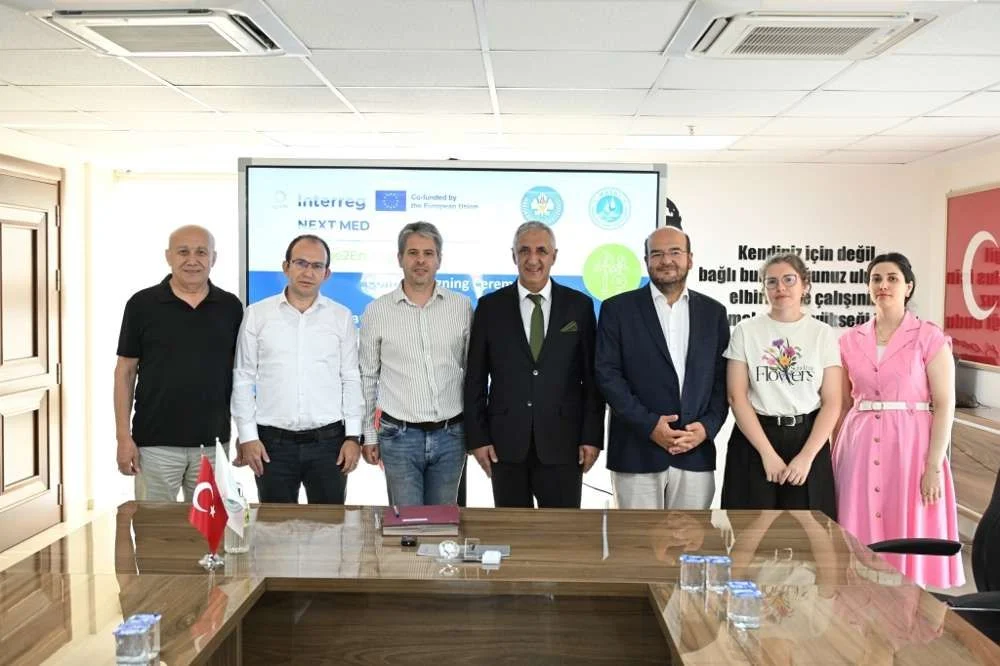
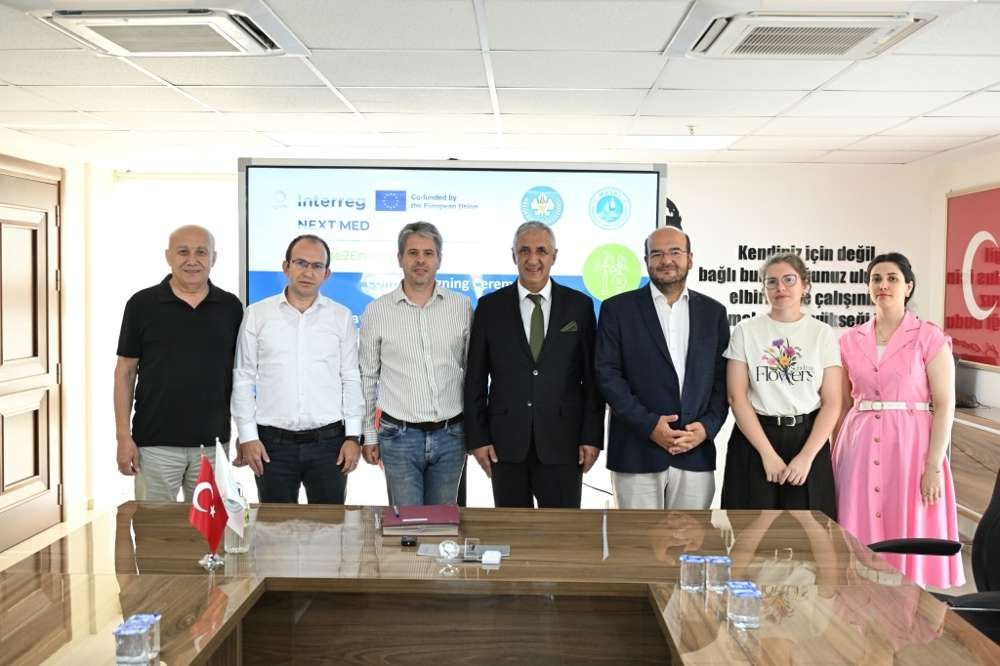
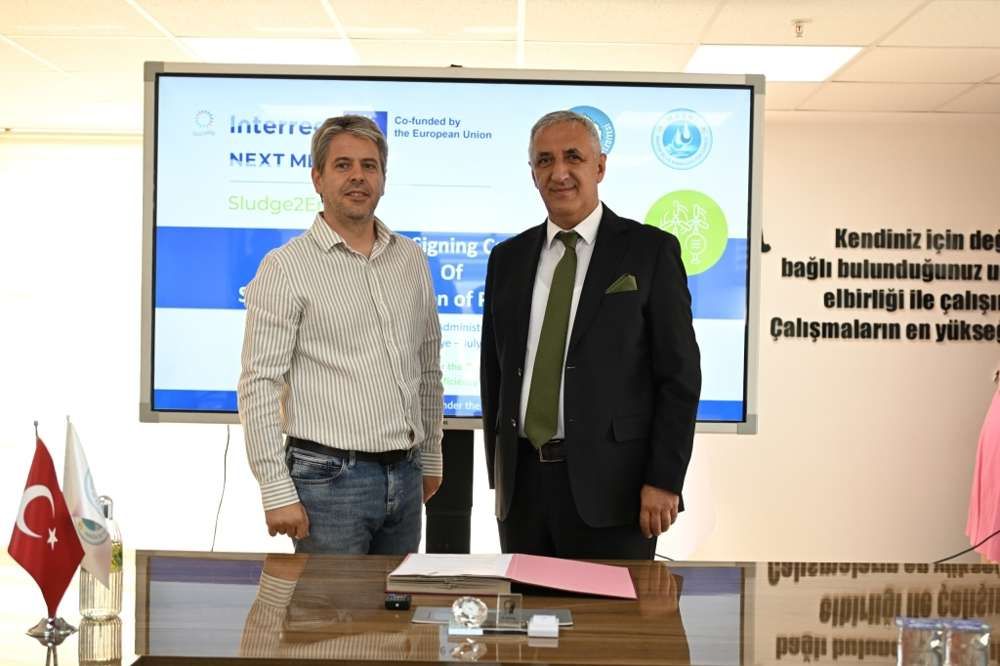
The Manisa Water and Sewerage Administration (MASKİ) has signed the contract for the supply and installation of a pyrolysis unit at the Manisa (Central) Wastewater Treatment Plant, in Yunusemre. The award notice was published on Tenders Electronic Daily (TED), the European Union’s official procurement portal, on 28 July 2026, following an open procedure.
(see: https://ted.europa.eu/en/notice/-/detail/519685-2026)
Pyrolysis heats sludge at high temperatures with little or no oxygen, transforming it into biochar — a stable, carbon-rich material that can be reused — while recovering energy in the process.
What the contract covers
The agreement provides for a complete, turnkey unit with a minimum capacity of 75 kilograms per hour, including its design, supply, installation, commissioning and testing. It also covers the software and hardware needed to automate the system and to manage and monitor its data, together with as-built drawings, full documentation and staff training. Twenty-four months of warranty and after-sales support are included, and the works are to be completed over an eight-month period.
Part of a Mediterranean network
The Manisa unit is one of three new demonstration units that Sludge2Energy is bringing to wastewater treatment plants around the Mediterranean, alongside an existing unit in Greece. Together they will test how solar-dried sewage sludge — today a costly disposal problem for water utilities — can become a source of energy and a raw material for biochar, helping utilities move from waste management to resource recovery.
With the contract signed, work in Manisa now moves from paper to plant: a concrete milestone in the project’s ambition to demonstrate circular, real-world solutions for sludge across the region.
 Next Med