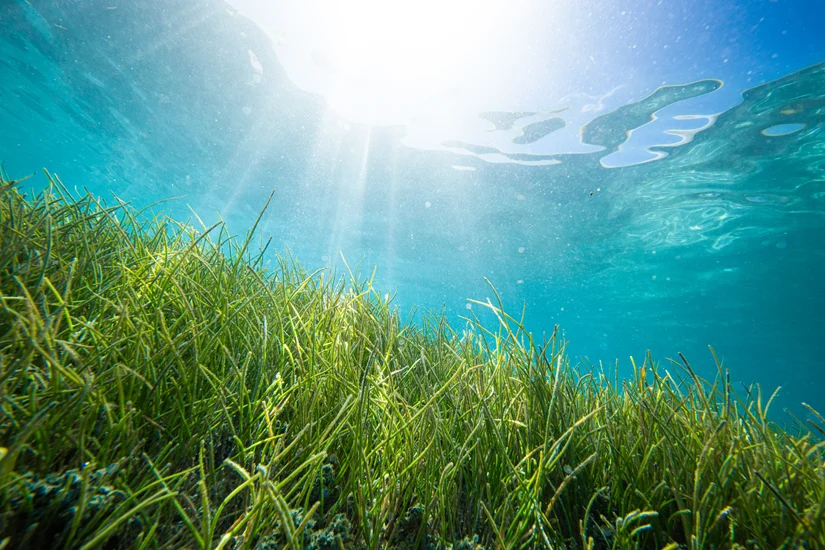
On August 7, the sea temperature in Mallorca reached an all-time record of 33.02°C.
The climate crisis and human activity are rapidly changing the Mediterranean Sea, but there is still room for action to mitigate the consequences. Coastal vulnerability, biodiversity at risk, and the impact on local socioeconomic activities are visible consequences of what is happening.
Invasive marine species, both alien (introduced from other geographical areas) and native, are increasingly colonizing coastal habitats, posing a major threat to marine ecosystems. They are compromising traditional fishing due to competition with commercially valuable species, and are altering markets, consumption, and sustainable management practices.
Is the fishing industry as we know it still viable, or should we find alternative solutions?
How could our food choices change to be more sustainable and in line with recent changes in fish species availability in the Mediterranean?
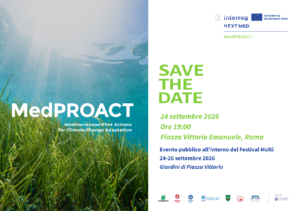
We will discuss these topics and more on Thursday 24th, at 7 pm (CET) during an initiative by MedPROACT hosted within the Festival Multi in Rome‘s most multicultural neighrbourhood, Esquilino. The Festival will take place in the Vittorio Emanuele Square Gardens.
Multi is a celebration of multiculturalism and food as a cultural aggregator. What will we find on our tables, as climate change alters fish and other food sources’ availabilities?
Contributions by:
- Chiara Buonfrate, Biodiversity Office of Legambiente
- Marcello Petitta, Roma Tre University
- Nour Chatti, Notre Grande Bleu (online)
- Francesco De Augustinis, Journalist and director
Moderation by:
Giulia Assogna, biologist and journalist, La Nuova Ecologia.
 Next Med