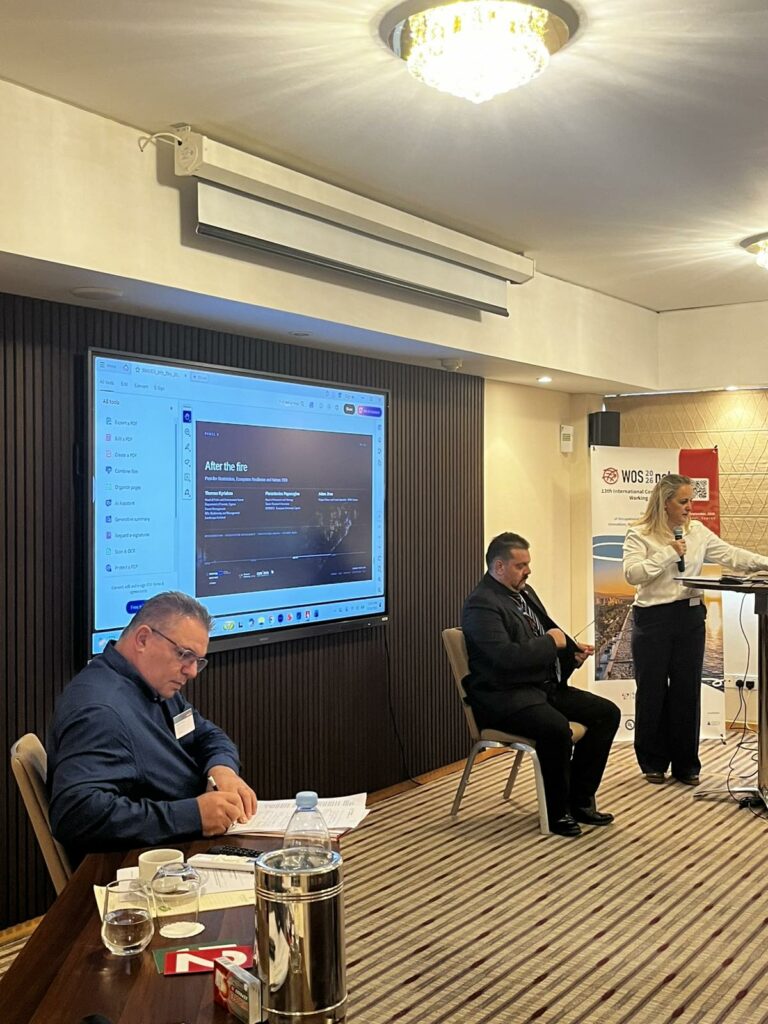
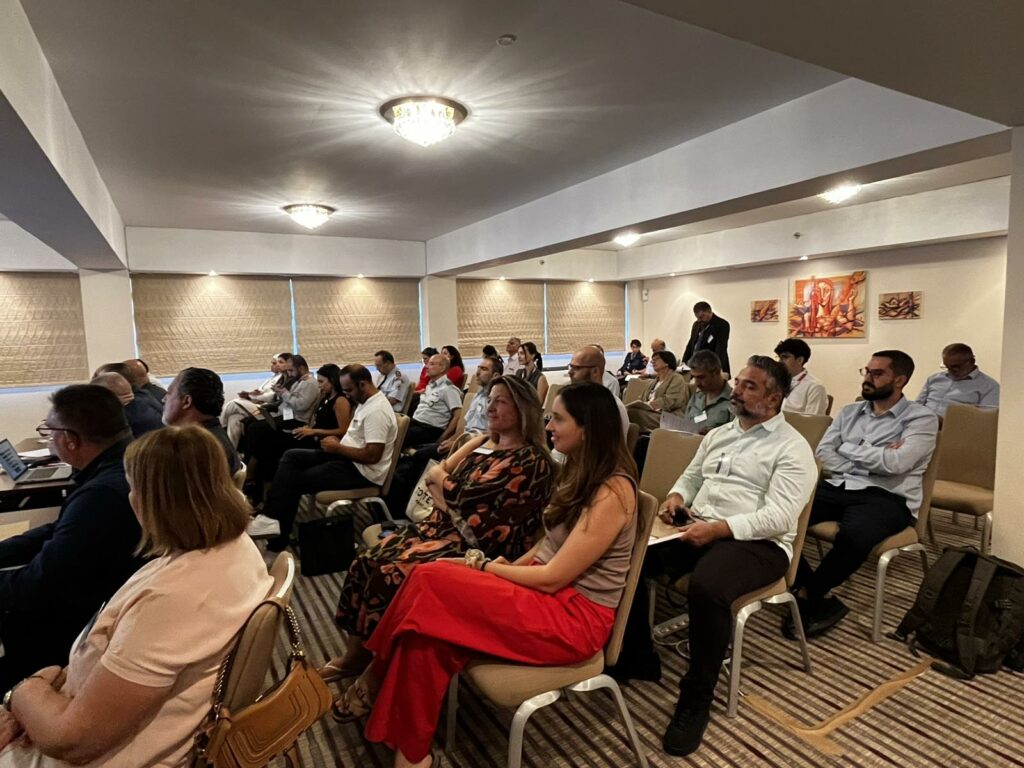
Post-fire recovery in the Mediterranean must start by protecting the soil – SIMMER Info Day Panel 3

SIMMER specialists explained why wildfire recovery must begin with soil protection. They also examined natural regeneration, Natura 2000 areas and the role of local communities in recovery decisions.

Publication Date
22/09/2026
Reading Time
2 minutes

Post-fire recovery begins lower down than many people expect. It begins with the soil. Without living and stable soil, there can be no lasting forest recovery.

Therefore, the first question after a wildfire is not automatically what to plant. The first question is how to keep the soil in place and protect its ability to recover.

Recovery does not follow one standard method

The third SIMMER Info Day panel brought together forestry, environmental and research perspectives on post-fire recovery. Thomas Kyriakou represented the Department of Forests. Adam Jirsa joined from the Association Internationale des Forêts Méditerranéennes in France. Pierantonios Papazoglou brought the research and strategic perspective of CERIDES at European University Cyprus.

The Department of Environment was also invited to contribute, recognising its important role in post-fire recovery and protected-area management. Unfortunately, this was not possible on the day. Together, the speakers challenged the idea that every burned landscape requires the same response. Some actions may be urgent because of erosion, public safety or damaged infrastructure. However, other areas may recover more effectively through natural regeneration.

For this reason, authorities must first examine what the land needs. Immediate planting is not always the best answer. In some cases, poorly planned intervention can disturb the soil or weaken natural recovery.

Natura 2000 areas require careful decisions

This balance is especially important in Natura 2000 and other protected areas. Wildfire-risk reduction and nature conservation should not be treated as competing goals. Instead, they require shared planning and decisions based on evidence.

Each site has different habitats, species and recovery conditions. Therefore, authorities must adapt their actions to the local ecology. Monitoring is also essential because the needs of a burned area can change over time.

Recovery must protect more than vegetation

Post-fire recovery combines scientific, technical, administrative and legal measures. However, these measures must take place in the correct order. Success cannot be measured only by the return of vegetation.

Stable soil, healthy ecosystems and lower future fire exposure also matter. In addition, recovery work must protect the people carrying it out. Local communities should remain involved because recovery affects their land, safety and future.

Mediterranean knowledge must remain rooted in place

A question from the audience explored whether controlled fire could support the recovery of Mediterranean landscapes. This method is used elsewhere to restore damaged grasslands and ecosystems. However, the discussion did not produce one answer for every location.

Instead, it showed why ecology, climate, terrain and social conditions must guide each decision. Mediterranean countries can share methods and experience. Nevertheless, effective post-fire recovery must remain rooted in the needs of each place.

Gallery

Last Update

22/09/2026