Meet the People Behind MedFireWise in Italy: Learning to Live with Fire

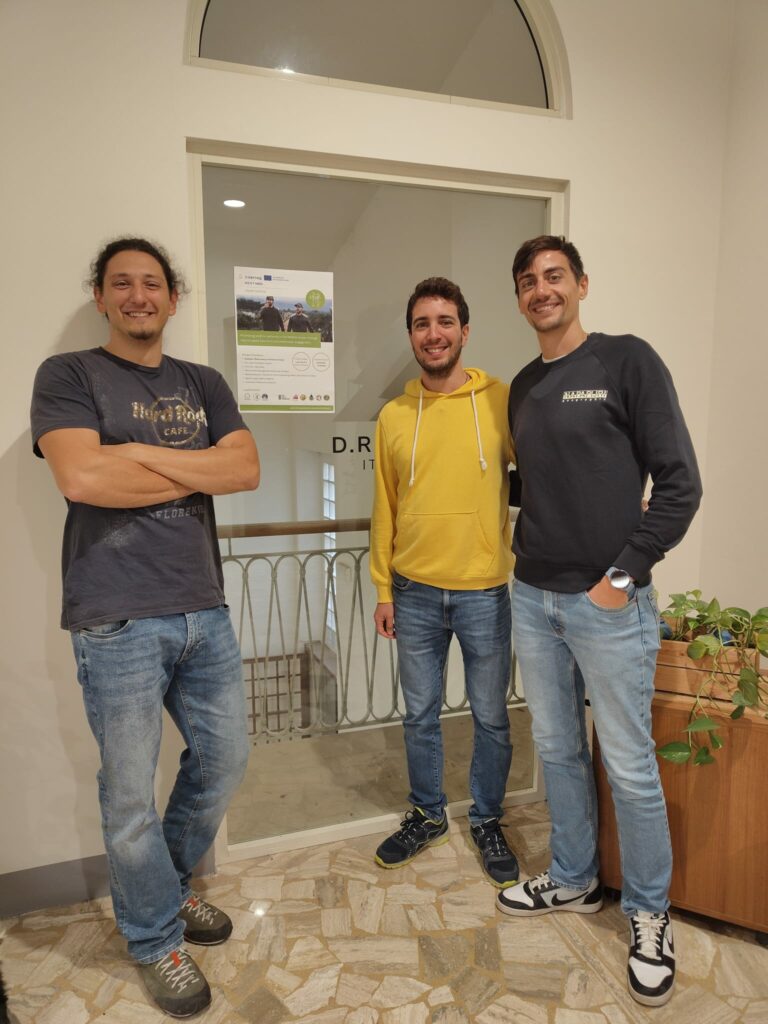
For Giacomo Sbaragli and Francesco Bartoli of D.R.E.Am Italia, wildfire prevention begins long before the first spark. It starts with the way we manage our landscapes, the choices we make as a society and the willingness to learn from one another across the Mediterranean.

Publication Date
03/08/2026
Reading Time
3 minutes

“Forests that we don’t manage are the wildfires we are feeding.”

It was one of those sentences that makes you stop for a moment.

During our conversation with Giacomo Sbaragli and Francesco Bartoli from D.R.E.Am Italia, we expected to talk about wildfire prevention, forest management and European cooperation. Instead, the discussion quickly became something much broader: how our relationship with the land shapes the wildfires of tomorrow.

For the Italian team behind MedFireWise, catastrophic wildfires do not begin with a spark.

They begin years earlier.

Changing the Landscape Before the Fire Starts

For Giacomo Sbaragli, wildfire prevention is first and foremost about understanding the landscape.

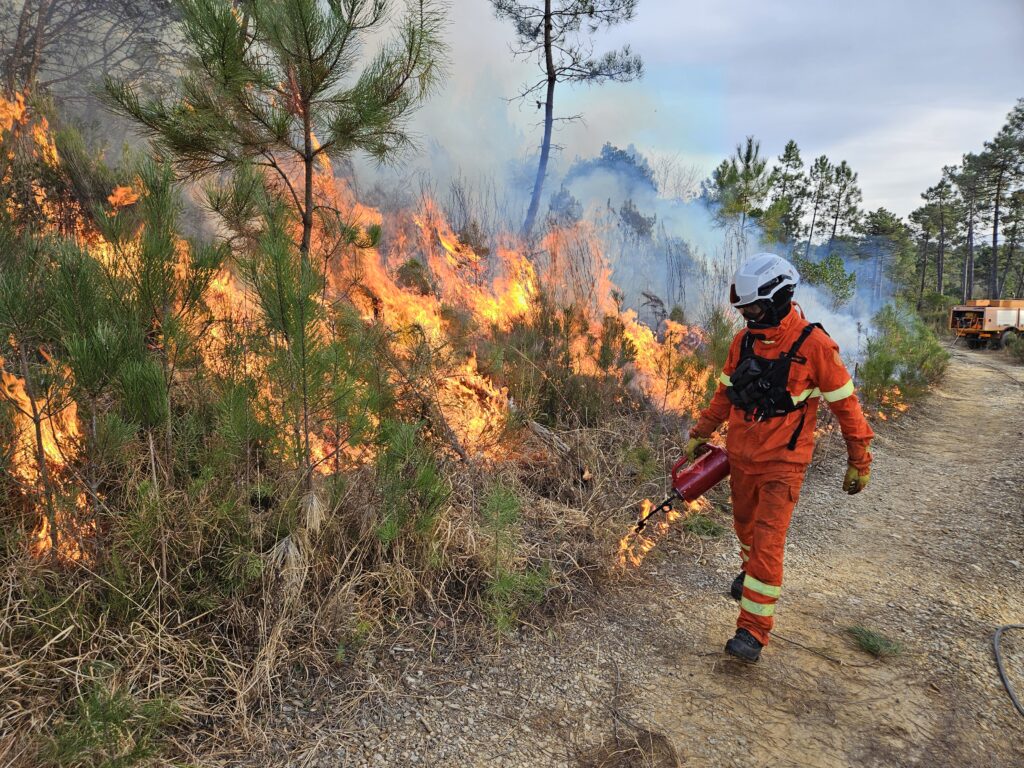
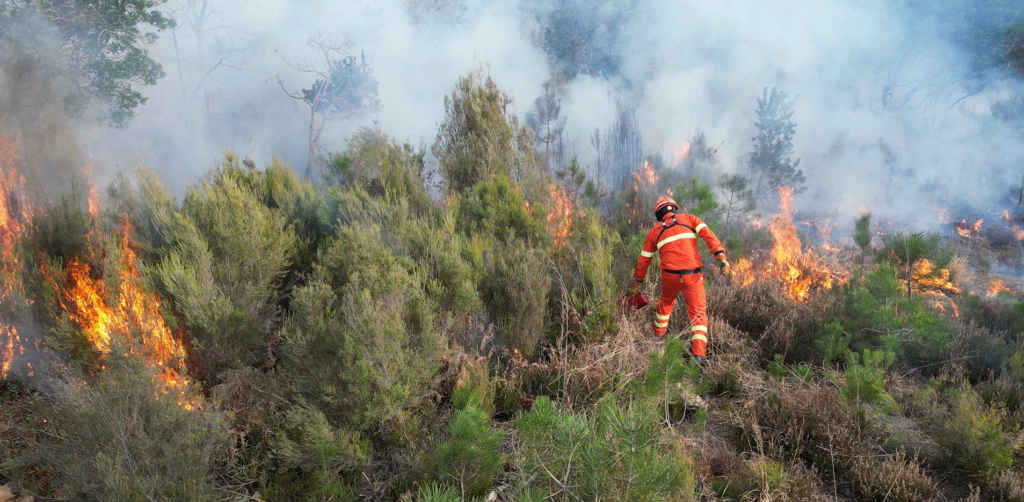
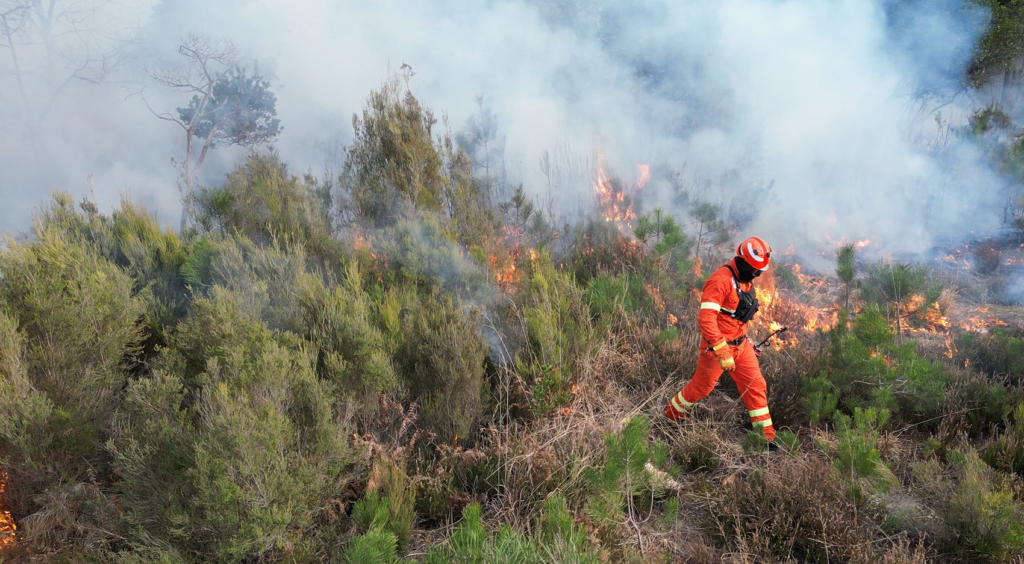
D.R.E.Am Italia is a forestry cooperative that specialises in wildfire prevention, forest management and capacity building, training firefighters and professionals operating both in the field and in regional and national control rooms. Within MedFireWise, the team is coordinating the development of a framework of indicators to support the implementation of Nature-Based Solutions in Strategic Management Areas—locations where preventive actions can significantly reduce the risk of large and destructive wildfires. The team will also lead prescribed burning campaigns in Italy together with the Turkish partner, contributing practical experience to the project’s field activities.

Yet when Giacomo spoke about the expertise his team brings to the project, he did not begin with indicators or methodologies.

He began with a change in perspective.

“We have to manage fire instead of only fighting it.”

For decades, societies across the Mediterranean have invested enormous effort in improving emergency response. Aircraft have become more sophisticated, firefighting techniques more effective and technology more advanced.

But Giacomo believes prevention deserves the same attention.

Managing fire means understanding forest ecology, anticipating fire behaviour, planning landscapes more carefully and recognising that healthy forests require active management—not abandonment.

That idea became even clearer when the conversation turned to Italy’s greatest wildfire challenge.

“We have to change our customs in terms of using the land instead of abandoning it.”

As traditional agricultural activities disappear and rural landscapes change, forests continue to expand into areas that were once actively managed. Vegetation accumulates, fuel loads increase and landscapes become increasingly vulnerable to large fires.

For Giacomo, this is not simply a forestry issue.

It is a social one.

Communication, public awareness and changing the way society values its landscapes are just as important as technical solutions.

Because, as he put it,

“Forests that we don’t manage are the wildfires we are feeding.”

Looking Beyond the Emergency

While Giacomo spoke about landscapes, Francesco Bartoli shifted the conversation towards another important question.

How do we move beyond reacting to wildfires and begin addressing their root causes?

Too often, public discussion after a devastating fire focuses on what happened during the emergency.

Were there enough aircraft?

Enough firefighters?

Enough technology?

Francesco believes those questions matter—but they should not be the only ones.

“Sometimes we think the problem is that we don’t have enough aircraft or enough technologies. But MedFireWise is helping us focus on the real problem.”

For him, one of the project’s greatest contributions is encouraging partners to step back and ask more fundamental questions.

How can landscapes become less vulnerable?

Which Nature-Based Solutions are most effective?

How can countries facing similar challenges learn from each other instead of working in isolation?

Those questions can only be answered collectively.

No Wildfire Stops at a Border

One of the strongest themes throughout our discussion was cooperation.

Working alongside researchers, forest managers and practitioners from six other Mediterranean countries has given the Italian team the opportunity to compare experiences, challenge assumptions and discover new approaches to familiar problems.

As Francesco explained,

“We have different points of view on the same problem.”

Those different perspectives do not create obstacles.

They create opportunities.

“Talking to each other can open our minds and help us see the solution in a different way than we have tried before.”

Then Francesco shared a sentence that perhaps captures the spirit of MedFireWise better than any project description could.

“Humans have created borders, not wildfires.”

Wildfires ignore political boundaries.

Knowledge, experience and good practices should do the same.

For Francesco, that is precisely why cooperation across the Mediterranean matters. Every country brings different expertise, but they all face increasingly similar risks. Working together allows partners not only to exchange knowledge but also to rethink solutions through one another’s experience.

A Different Legacy

When asked what they hope MedFireWise will leave behind, neither Giacomo nor Francesco spoke first about reports, scientific publications or project deliverables.

Instead, they imagined something much more practical.

A methodology.

A way of identifying where preventive action can make the greatest difference.

A tool that helps communities understand how to coexist more safely with wildfire.

Because, as Giacomo reminded us,

“Wildfire has always been there and always will be. The problem is how we can live with wildfire.”

If even one of the project’s approaches continues to be applied after MedFireWise ends, Francesco believes the project will have achieved something meaningful.

And perhaps that is the lasting impression left by the Italian team.

They are not asking how we can eliminate wildfire.

They are asking a far more important question:

How can we build landscapes—and societies—that are better prepared to live with it?

Partner Spotlight Series

This article is part of the MedFireWise Partner Spotlight series, highlighting the people and organizations working together to strengthen wildfire resilience across the Mediterranean.

Gallery

Last Update

03/08/2026