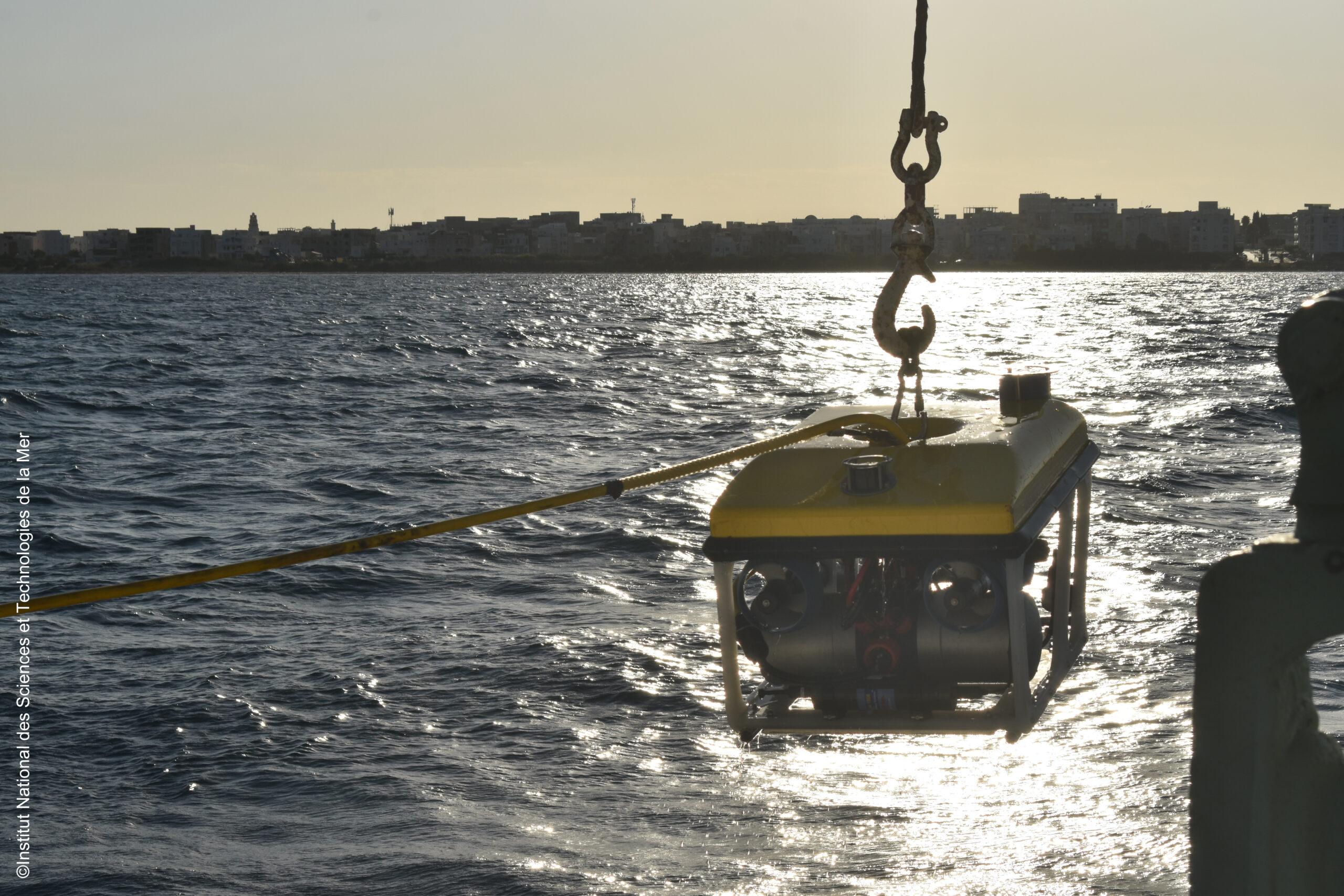
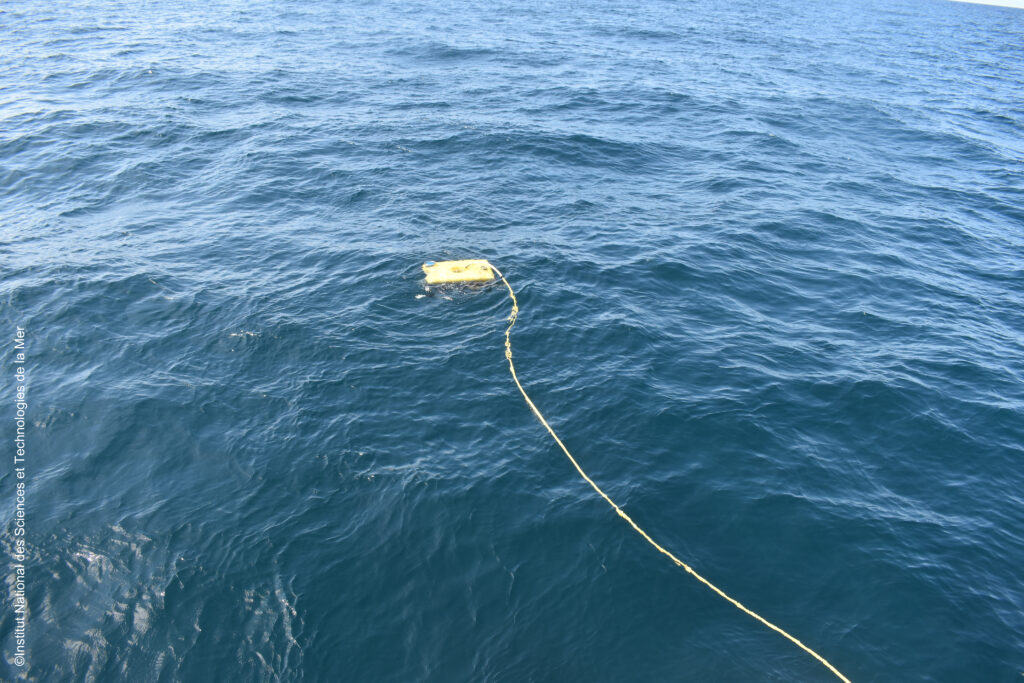
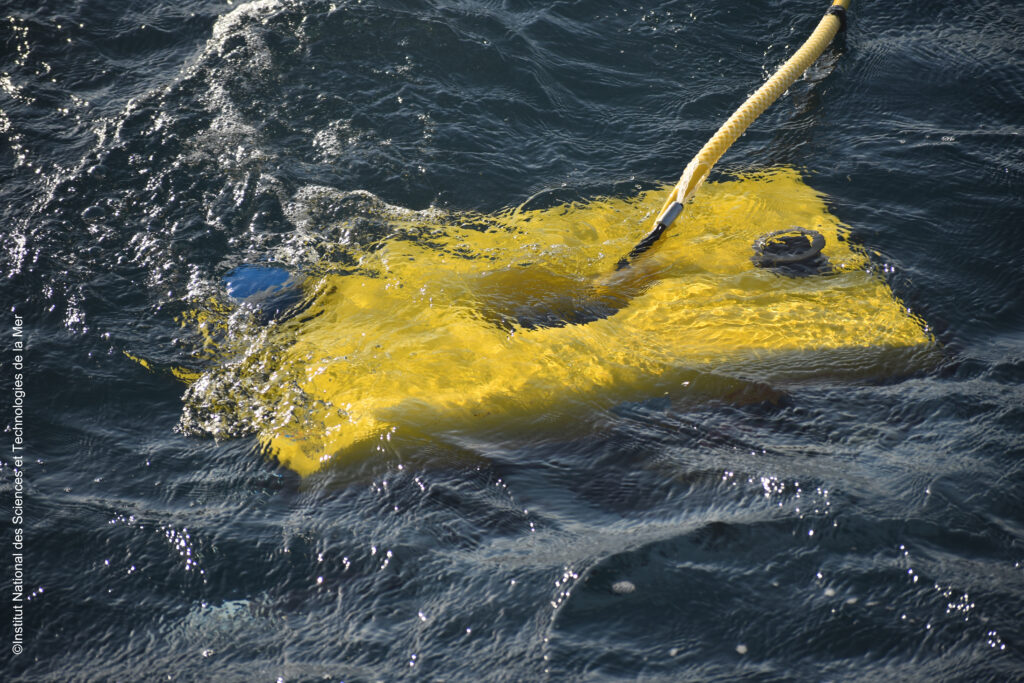
The National Institute of Marine Sciences and Technologies (INSTM) (Tunisia) is actively involved in the monitoring and study of the marine environment through oceanographic campaigns and multidisciplinary scientific research covering marine ecosystems, physicochemical parameters of seawater, coastal and marine sediment dynamics, pollution monitoring (including heavy metals, hydrocarbons, and pesticides), as well as modelling and Geographic Information Systems (GIS). INSTM also conducts fisheries and aquaculture research aimed at assessing fish stocks and promoting sustainable aquaculture practices, while contributing to marine biodiversity conservation through studies on species, habitats, and the impacts of environmental change. These activities are supported by specialized analytical laboratories dedicated to the analysis of water, sediment, and biological samples. In addition, INSTM operates advanced ocean observation systems, including the FerryBox system installed on commercial vessels, which enables the continuous, high-frequency collection of surface seawater data (such as temperature, salinity, chlorophyll, turbidity, dissolved oxygen, and pH) along regular maritime routes, providing valuable real-time information for marine monitoring and climate studies in the Mediterranean Sea.
Within the MedJICARP project, INSTM acts as Partner PP8, with responsibilities that include organizing a national workshop in Tunisia under WP5, contributing to ocean observation by hosting and maintaining High-Frequency Radar (HFR) sensors at the Tunisian pilot site as part of WP3, and supporting communication and dissemination activities under WP2 by sharing project progress locally and disseminating results to key stakeholders. The planned activities include the deployment and operation of the HFR system, the routine collection and quality-controlled transmission of oceanographic data to the project’s Integrated Digital Hub and European databases, the organization of a stakeholder workshop involving authorities, scientists, and local actors, as well as continuous support for communication, dissemination, and stakeholder networking. Expected results include the production of high-resolution coastal data on currents, waves, and sea level along the Tunisian coast, and the enhancement of local and national decision-making capacities by providing reliable, accessible information to support climate change adaptation and coastal resilience strategies.
 Next Med