Sicily hosts 2 of the 4 pilot areas of project MedPROACT in Italy, and field research will also be lead in the Pelagie Islands, positioned in between the island and Tunisian coasts.
The position of these pilot areas and field research zones were studied to cover as many different locations in the Southern Mediterranean as possible: Pelagie Islands facing south, Egadi Islands on the Eastern side of Sicily and Capo Milazzo Marine Protected Area on the Northern side. By collecting data from different locations, reasearchers and scientists will be able to understand the current situation and differences in the Mediterranean Sea (adding this information to the ones coming from pilot areas in other countries) concerning climate-change related impacts, biodiversity loss, invasive alien and not alien species proliferation and environmental stressors. By mixing field research together with information collected via stakeholders meetings, MedPROACT will be able to develop area-specific guidelines and adaptation plans to support decision-makers to promote climate-resilient policies for coastal communities.
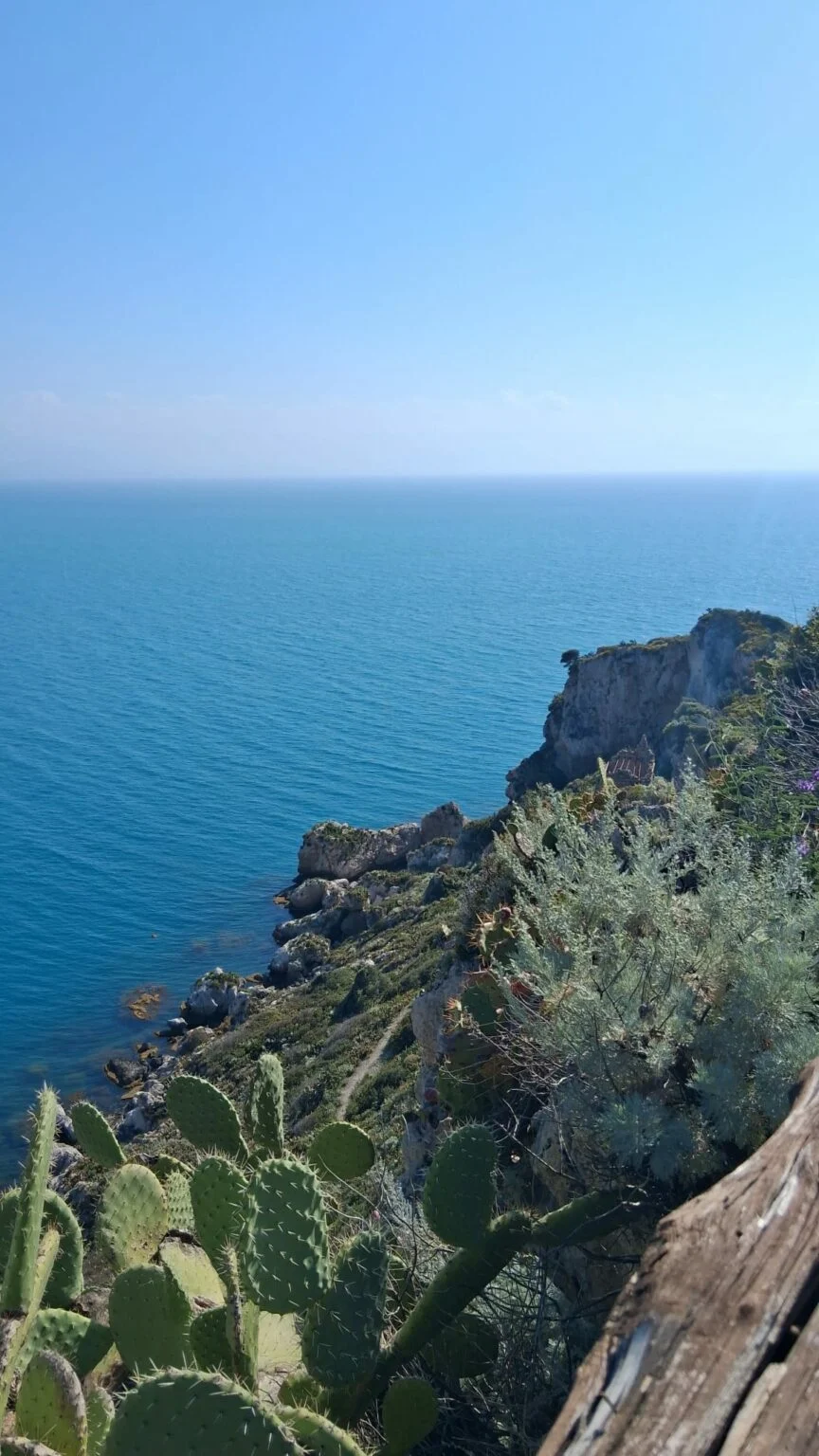
North West of the Messina Strait, the Capo Milazzo Marine Protected Area is a unique haven for biodiversity.
Here the main threat is represented by climate change impacts and the presence of non-indigenous species, in addition to contaminants, marine litter, underwater noise and light pollution. Commercial and tourist harbours, tourism and recreational activities, and shipping lanes are to blame for bringing up environmental stressors in this area.
In this pilot area project partner Università di Siena will:
- Assess multiple impacts related to climate change on bioindicator species in coastal ecosystems;
- Design of an early-warning evaluation system of climate change-related impact on marine biodiversity;
- Restore impacted seagrass meadows to increase resilience to climate change-induced, severe events;
The Egadi Islands are a Marine Protected Area (MPA) as well, and they cover an area of 53,992 hectares – it is the largest marine reserve in the Mediterranean. Located off the North – Western coast of Sicily, it surrounds the Egadi archipelago, which includes the islands of Favignana, Levanzo, and Marettimo, as well as the islets of Formica and Maraone.
The MPA contains the largest and best-preserved Posidonia oceanica seagrass meadow in the Mediterranean (12,536 hectares). The seabed is rich in coralligenous and pre-coralligenous habitats, as well as Vermetid reefs. Numerous submerged and semi-submerged caves are also found throughout the area.
Here, as well as in the Pelagie Islands, project partner Università di Siena will:
- Study and identify of target Invasive Alien Species (IAS) and Not Alien Invasive Species (NAIS);
- Analyze nutritional and organoleptic contaminant compounds in selected IAS and NaIS species;
- Field training for fishermen in the target areas and on specific techniques to catch IAS/NaIS;
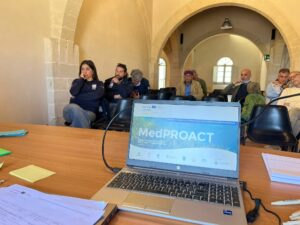
Legambiente Sicilia will setup a Local Climate Change Adaptation Working Group in the Egadi Islands MPA and in Capo Milazzo MPA, and will collaborate in building a participatory process for the analysis of risks, impacts and needs, later to be turned into proposed adaptation actions and guidelines for local decision-makers.
 Next Med