MedPROACT Starts Preliminary Field Assessments to Study Human-Related Pressures on Posidonia Oceanica in Türkiye
As part of its activities on pilote sites, MedPROACT will study and assess posidonia oceanica meadows and their state before planning a complete monitoring plan, to be followed by a restauration plan.
Publication Date 04/09/2026
Reading Time 2minutes
Screenshot
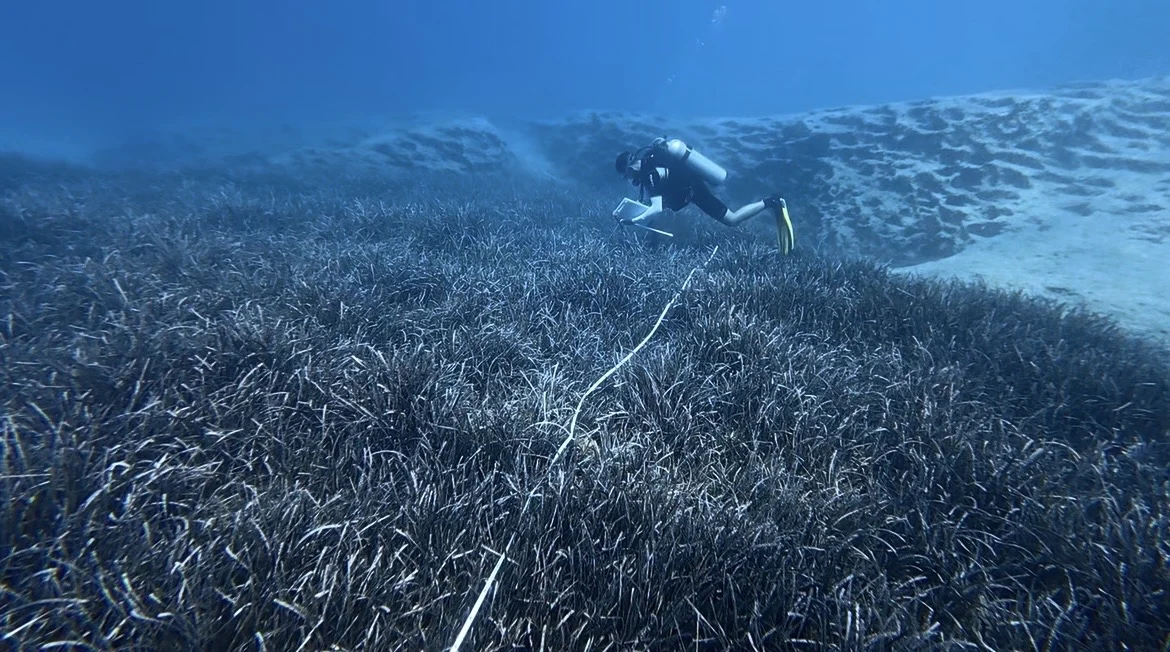
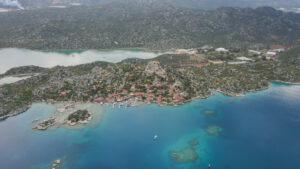
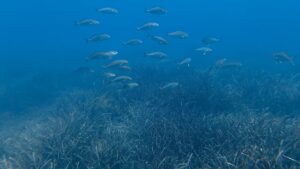
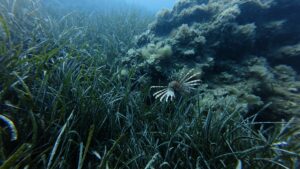
This Summer, preliminary field studies focusing on Posidonia oceanica meadows were carried out by project partner Mediterranean Fisheries Research, Production and Training Insititute in the Kaş–Kekova Special Environmental Protection Area (SEPA), in SouthernTürkiye in the Antalya region, within the framework of the MedPROACT project.
As a first step, field assessments were conducted to identify study sites exposed to different levels of environmental and anthropogenic pressures. Site selection considered human-related pressures such as tourism, recreational boating activities and anchoring, as well as the potential effects of increasing seawater temperatures associated with climate change on P. oceanica meadows. Accordingly, sites exposed to higher levels of pressure and relatively less impacted sites were selected for comparative assessment.
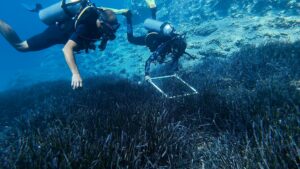
During the preliminary sampling, the current condition and morphological characteristics of P. oceanica meadows were assessed along transects at different depths. Epiphyte coverage and necrosis on P. oceanica leaves were also evaluated. Water quality parameters were measured throughout the water column, and water and sediment samples were collected from the sampling sites, together with additional water samples for microplastic analysis.
During the field surveys, biodiversity associated with P. oceanica habitats was also observed and recorded. Observations of fish, invertebrates, and other marine organisms were documented through underwater photographs and videos.
These preliminary studies provided a baseline for assessing the current condition of P. oceanica meadows and their associated biodiversity under different environmental and anthropogenic pressures, and for planning the subsequent monitoring activities in the Kaş–Kekova pilot area.
Last Update
04/09/2026
The Interreg NEXT MED website uses technical, analytics and third-party cookies. By continuing to browse, you accept the use of cookies. Privacy Policy
 Next Med