Ecosystems degradation, biodiversity loss and potential risks for coastal areas: these are some consequences of the sea surface temperature rising.
Climate change is posing a complex challenge for the Mediterranean area and, during the 21st century, studies supported by the Intergovernmental Panel on Climate Change (IPCC) assess that it is projected to intensify throughout the region.
Sea surface temperature is now 1.5°C above the pre-industrial level, with a corresponding increase in high-temperature extreme events such as more frequent and intense droughts, lethal heatwaves, and destructive wildfires (Ali et al., 2022).
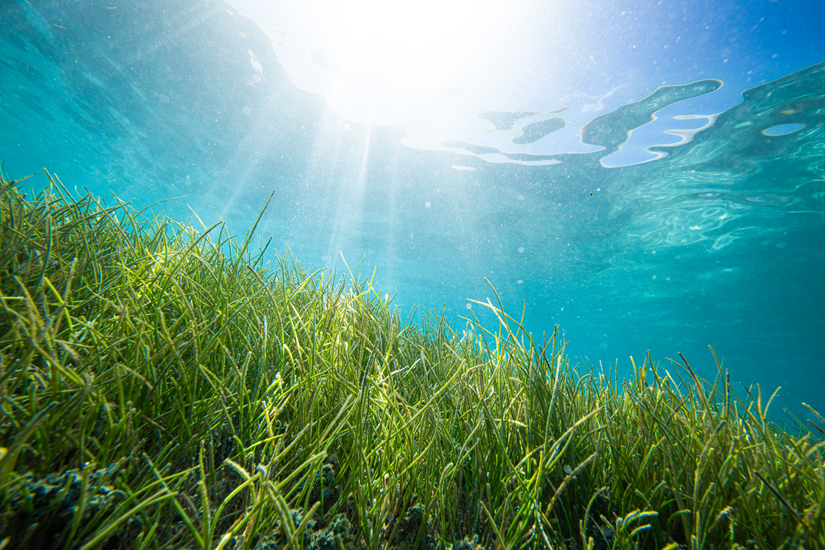
Climate change strongly interacts with other environmental issues, stemming from overfishing, pollution, loss of biodiversity, degradation of ecosystems, and presence of invasive species. With an increased sea surface temperature by 0.29°C–0.44°C per decade since the early 1980s, climate change severely impacts Mediterranean seagrass meadows (e.g. Posidonia oceanica) and coral reefs, crucial for biodiversity, carbon storage, and coastal protection. Rising temperatures and heatwaves cause seagrass degradation and coral bleaching and diminished resilience, while acidification and eutrophication further degrade these habitats.
Here is where European programmes like Interreg NEXT MED and projects like MeDPROACT become a necessity. In the next 3 years, MedPROACT aims at developing strategies and adaptation plans for and with coastal communities, and ecosystems restoration.
Restoring seagrass meadows and coral reefs is a key adaptation measure to climate change for several reasons, leveraging their roles in carbon sequestration, biodiversity support, and coastal protection. Seagrass meadows help mitigate climate change while offering habitats that bolster marine biodiversity and fisheries, essential for coastal communities. Coral reefs, as biodiversity hotspots, provide critical habitats for numerous marine species, supporting local economies through tourism and fisheries, and acting as natural breakwaters that protect shorelines from erosion and storm impacts. By restoring these ecosystems, it is not only possible to preserve their ecological functions but also enhance their, and therefore ours, resilience to climate change.
One more consequence of climate change is to favour environmental conditions to the entry of Invasive Alien Species (IAS) by exacerbating the impact they have on biodiversity as well as on productive sectors (e.g. commercial fisheries, aquaculture, tourism). Not only do non-native species become a problem, but native species too can occasionally break out, growing in abundance and becoming “invasive” in their range. They have been defined as Native Invasive Species (NaIS) (Simberloff, 2011).
The occurrence of NaIS and IAS changes the structure of biodiversity and ecosystem services, causing ecological and economic impacts on biodiversity and fisheries. Fishery needs to move toward climate change adaptation and greater sustainability to protect the sector – and thus the socioeconomical situation of coastal communities – and reduce its impact on the marine ecosystem.
It is clear, by reading what was explained above, that climate change poses significant challenges to Mediterranean communities, impacting key sectors like fishing, agriculture, and tourism, and a change of tune is needed. Adaptation strategies, including economic diversification, are crucial for resilience and long-term sustainability. Capacity building is essential to empower communities to face climate change challenges by developing skills, knowledge, and resources.
To cope with these critical threats, MedPROACT project will carry out a set of pilot actions in 10 coastal areas across 4 countries: adaptation actions in fishery considering IAS and NaIS as potential food alternatives; diagnosis and restoration actions for seagrass meadows and coral reefs ecosystems, participatory Adaptation Plans and Guidelines as governance tools.
In line with the NEXT MED Priority 2 and Specific Objective 2.2, MedPROACT project aims at increasing the capacity of coastal communities of selected pilot areas to adapt to climate change, ensuring marine ecosystems resilience and biodiversity protection and changeover sea-related human activities (e.g. fishery, tourism). The project’s multilevel and strategic approach will reinforce networks, disseminate guidelines and best practices, and build the capacities of stakeholders and coastal decision makers to effectively implement concrete actions for climate change adaptation.
 Next Med