How can artificial intelligence make health emergency response faster, smarter, and more effective? This question drove the AI4Purpose National Hackathons organized by MEDAIGENCY project.
In this interview, we hear from Team Aegis from Türkiye, who share their experience and present MED-ARES, an AI-powered platform designed to optimize medical and logistical resource allocation during large-scale disasters.
Interview with Team Aegis – Izmir Institute of Technology
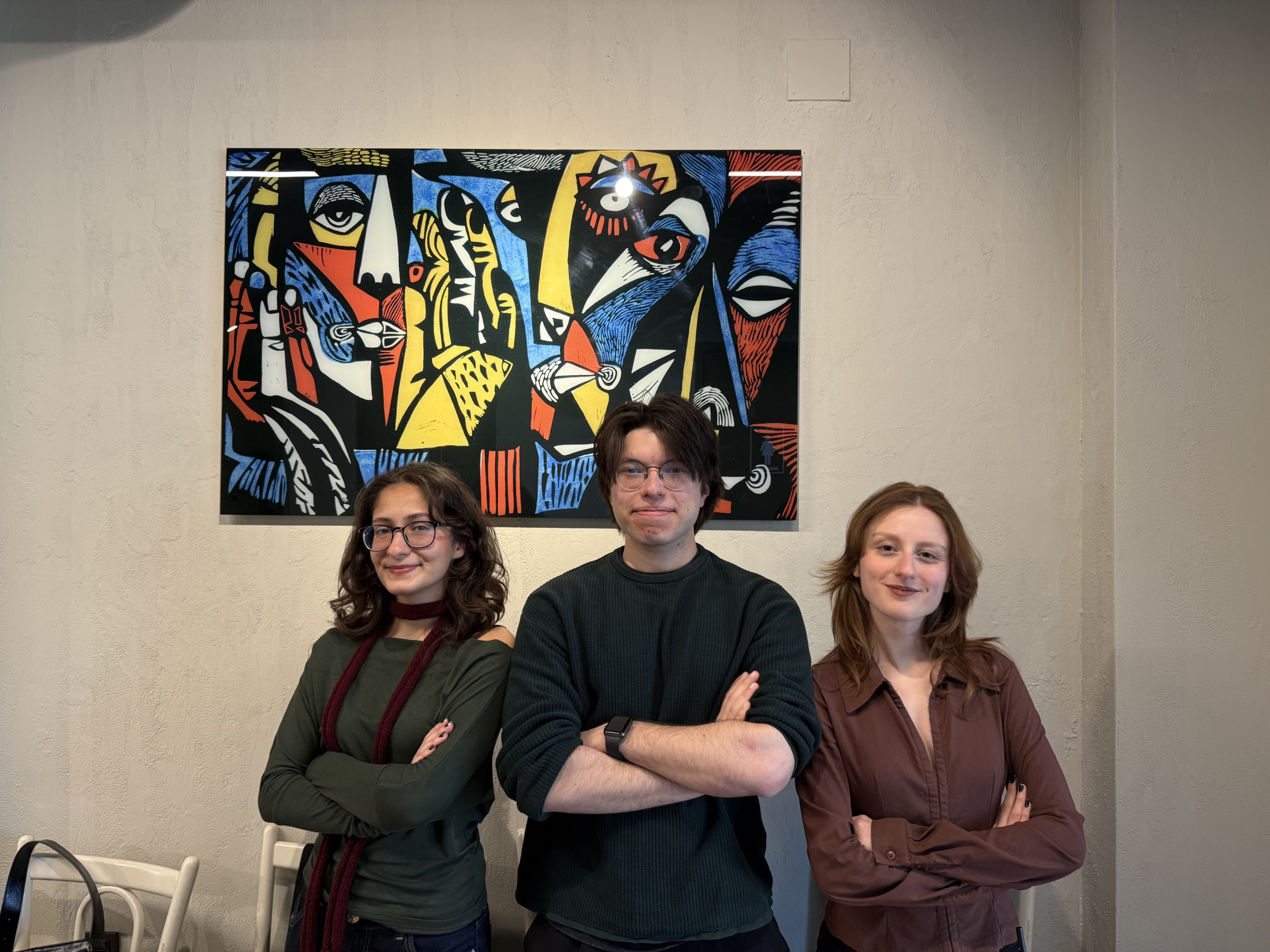
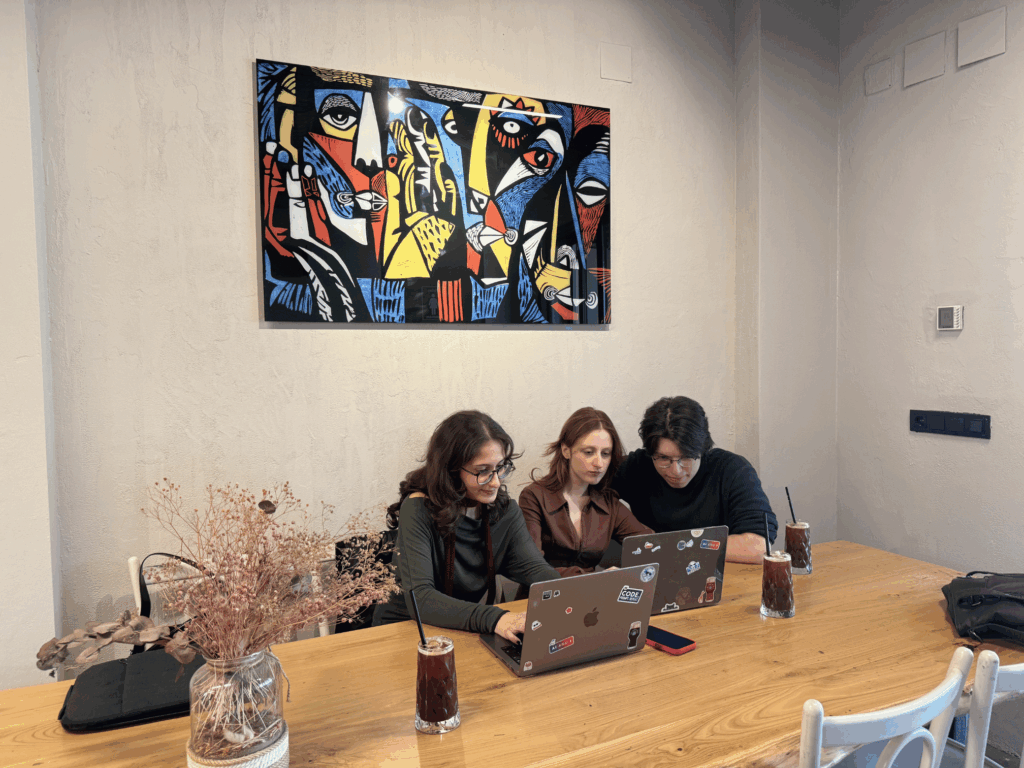
We are team Aegis; Sude Toral, Duygu Başeğmez, and İlker Uluseri, who are senior Computer Engineering students at Izmir Institute of Technology (IZTECH). Our team specializes in Artificial Intelligence, Computer Vision and Software Engineering, focusing on creating end-to-end solutions that bridge complex backend algorithms with intuitive, mission critical user interfaces.
Your motivation to participate
As students living in a region frequently affected by natural disasters, we were motivated by the critical need for smarter, data-driven coordination in health emergencies. We saw the AI4Purpose Hackathon as the ideal platform to bridge the gap between raw data such as satellite imagery and actionable resource allocation. Our goal was to leverage technical innovation to minimize logistical delays and human error, ensuring that medical aid reaches those in need as fastly as possible.
Your AI solution
Our solution, MED-ARES (Mediterranean-AI Resource Emergency System), is an end-to-end decision support platform designed to optimize medical and logistical resource allocation during catastrophic events such as earthquakes, floods, and wildfires.
• Problem Addressed: During large scale disasters, authorities face fragmented data, logistical bottlenecks, and the fog of war, which delays life saving resource distribution.
• Intended Users: The primary beneficiaries are emergency response coordinators, healthcare authorities, and field logistics teams who need to make rapid, data-backed decisions under extreme pressure.
• AI Contribution: AI is the core engine of our system, functioning across three layers:
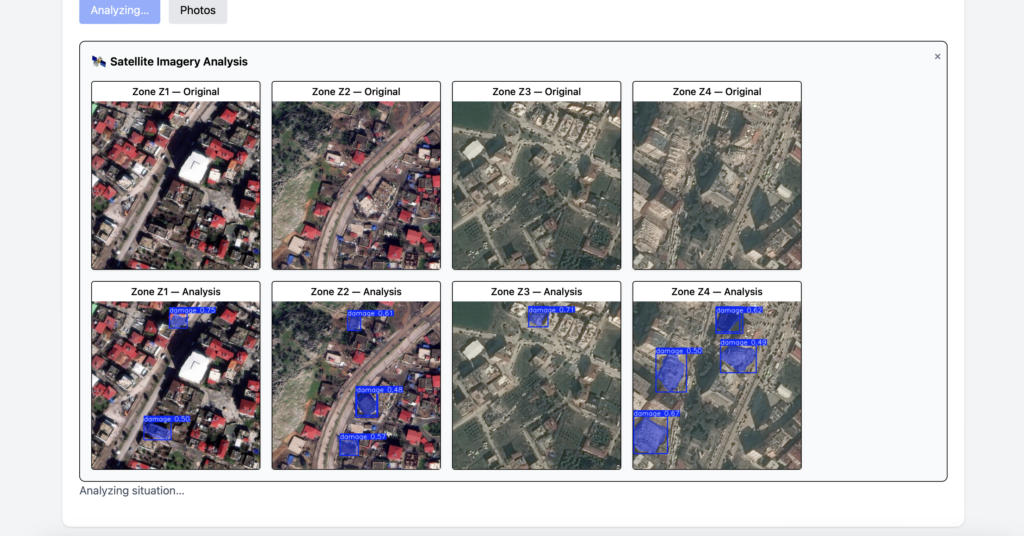
o Perception: A Computer Vision pipeline (YOLO/PyTorch) analyzes satellite and drone imagery to automatically detect damage rates and identify affected zones.
o Reasoning: A LangGraph-driven LLM Agent (Llama 3.1) processes complex constraints like road collapses or hospital capacities to formulate high-level strategies.
o Optimization: Graph-based algorithms (NetworkX) calculate the most efficient distribution paths from hospitals to specific zones based on real-time population density and terrain data.
• Innovation and Impact: What makes MED-ARES impactful is its proactive and transparent nature. It incorporates a module for flood risk assessment using live GloFAS data to predict disasters before they occur. Furthermore, it features Explainable AI (Agent Assessment), where the system provides natural language reasoning for every allocation decision, ensuring human operators can verify and trust the AI’s logic during a crisis.
Future development of the idea
Following the hackathon, our immediate priority is to transition MED-ARES from a prototype into a field-ready application by integrating real-time IoT sensor feeds and live emergency dispatch data. We envision the system being implemented in national and regional emergency management centers, where it can manage complex simulation cycles and adapt to dynamic crisis events like road collapses in real-world scenarios.
To achieve this, we are eager to engage in co-development with the MEDAIGENCY project and international stakeholders, as collaborating with these institutions will provide the diverse geographical datasets needed to validate our models across different Mediterranean infrastructures. Furthermore, we see the Interreg Volunteer Youth (IVY) program as a vital pathway for our team to gain hands-on field experience, allowing us to refine our solution based on operational needs and contribute to long-term regional resilience.
Mediterranean perspective
Participating in a Mediterranean level competition has been a profound experience that shifted our focus from local problem-solving toward regional resilience. Competing alongside teams from across the Mediterranean basin highlighted that disasters like wildfires and floods are shared challenges that require collaborative, transnational solutions.
This dimension directly influenced the development of MED-ARES, pushing us to design a modular architecture that can adapt to diverse terrains and varying resource infrastructures across different countries. Furthermore, the insights gained from interacting with mentors and jury members were invaluable. These interactions reinforced our commitment to building a flexible system that not only serves local needs but also facilitates cross-border aid and information exchange, ultimately fostering a more unified and resilient Mediterranean community.
Special thanks to Mr. Ayman Rahmeh from the American University of Beirut for facilitating this series.
 Next Med