How can rural tourism actors use digital tools more effectively, make better decisions through data and reach new markets without losing control over the value they create?
This question is at the heart of CLUSTERATLAS4MED. The project is working across Italy, Malta, Spain, Greece, Egypt, Tunisia and Türkiye to build a trans-Mediterranean Meta-Cluster supporting the digital transformation of rural tourism SMEs.
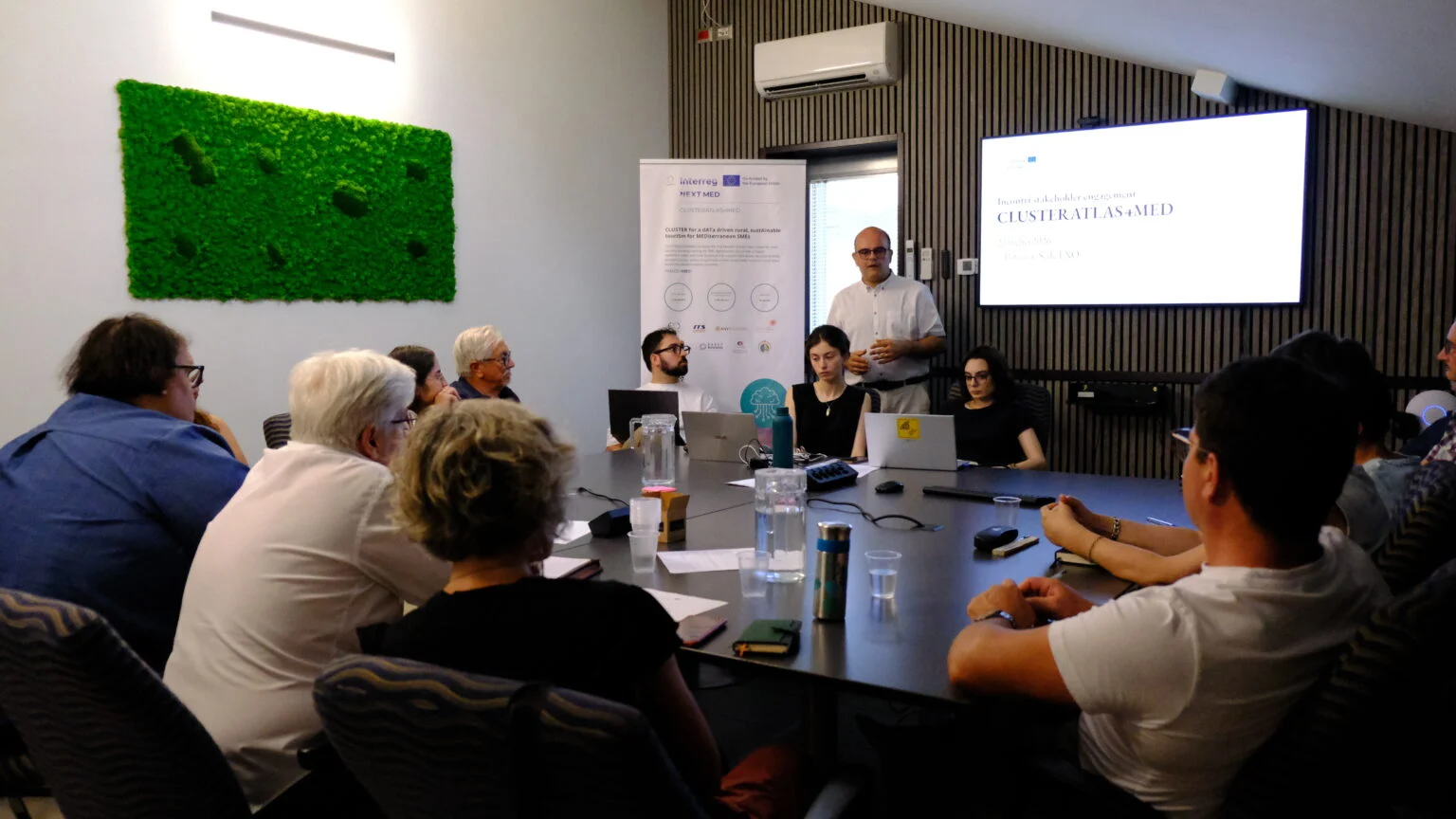
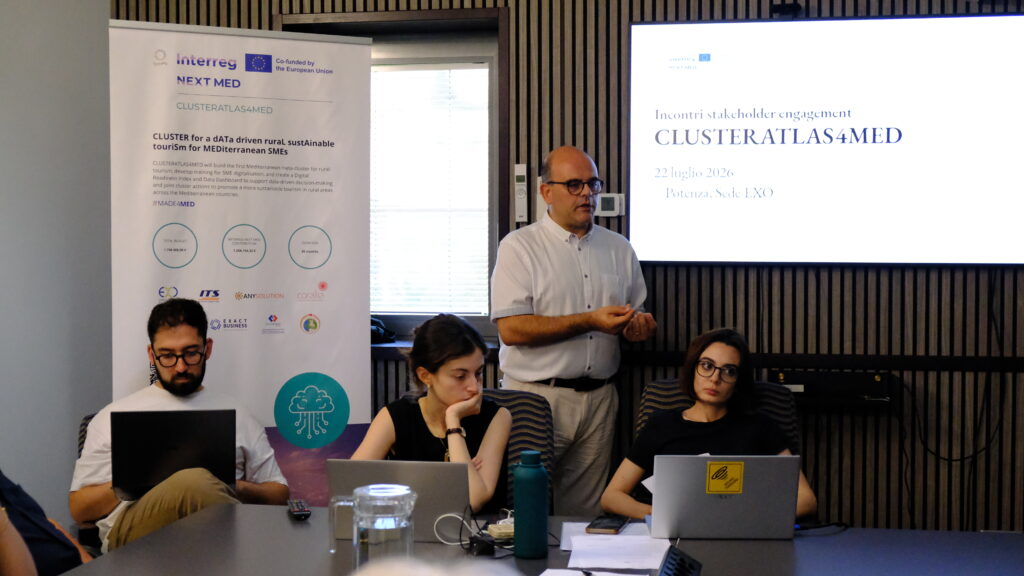
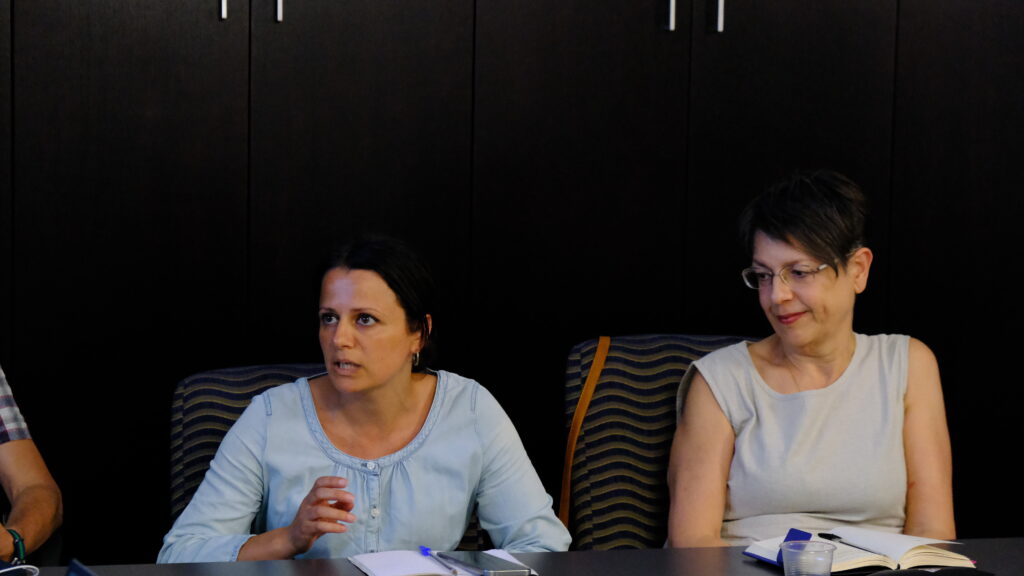
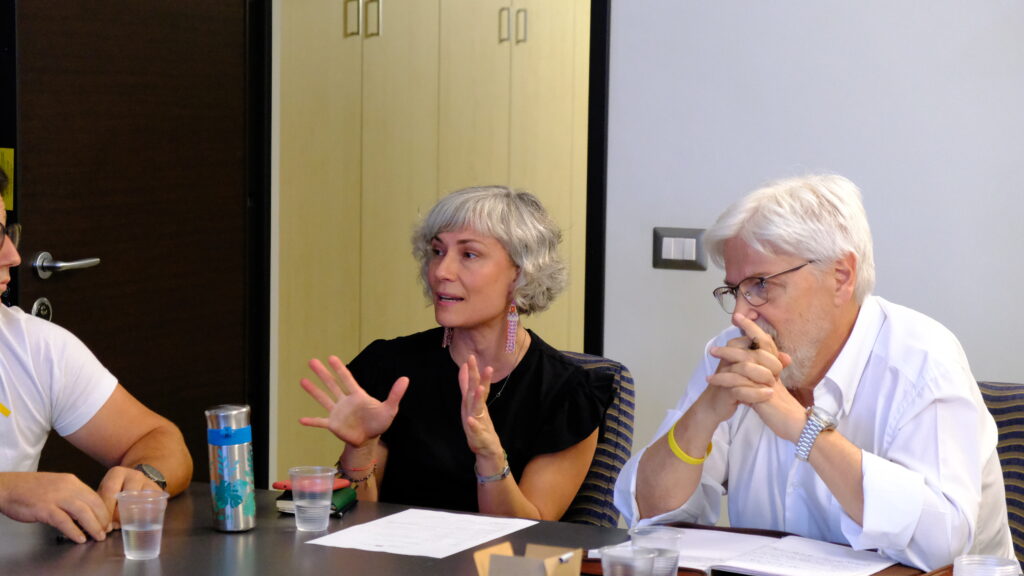
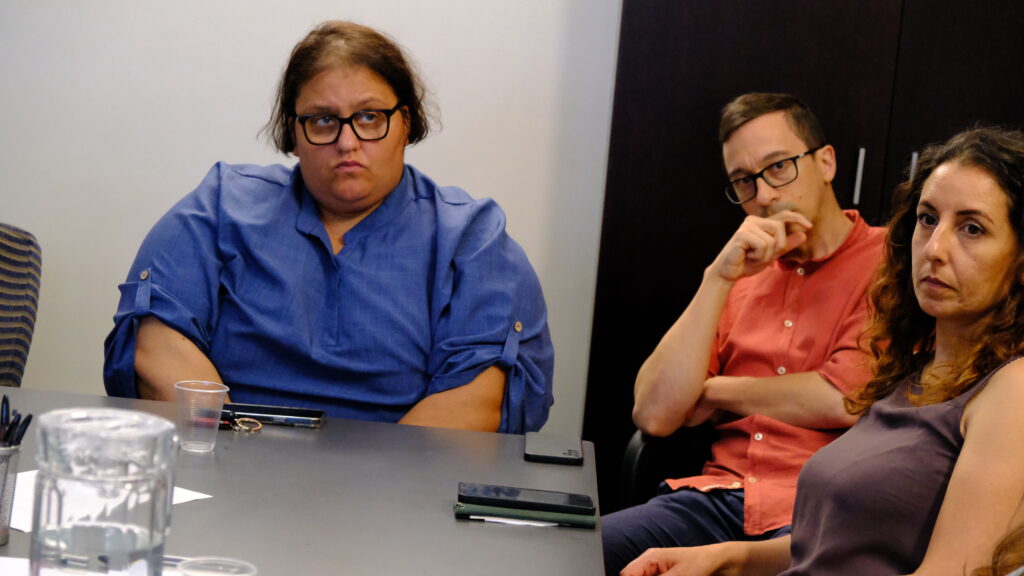
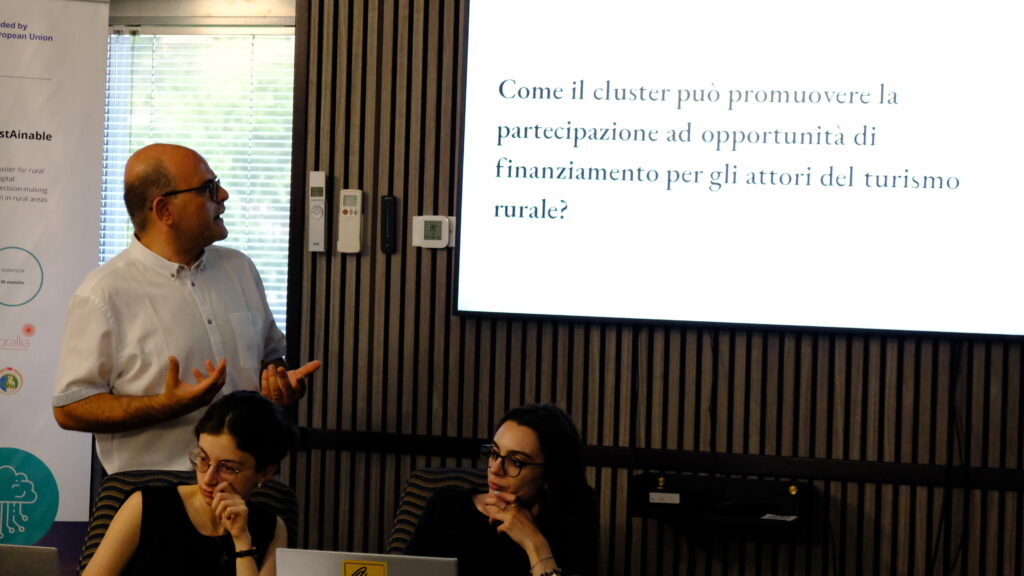
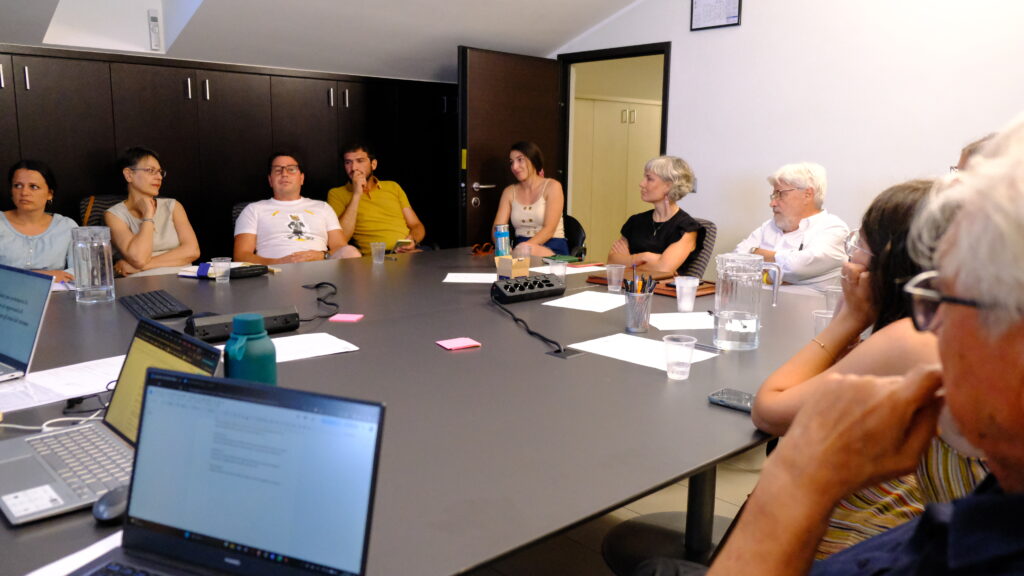
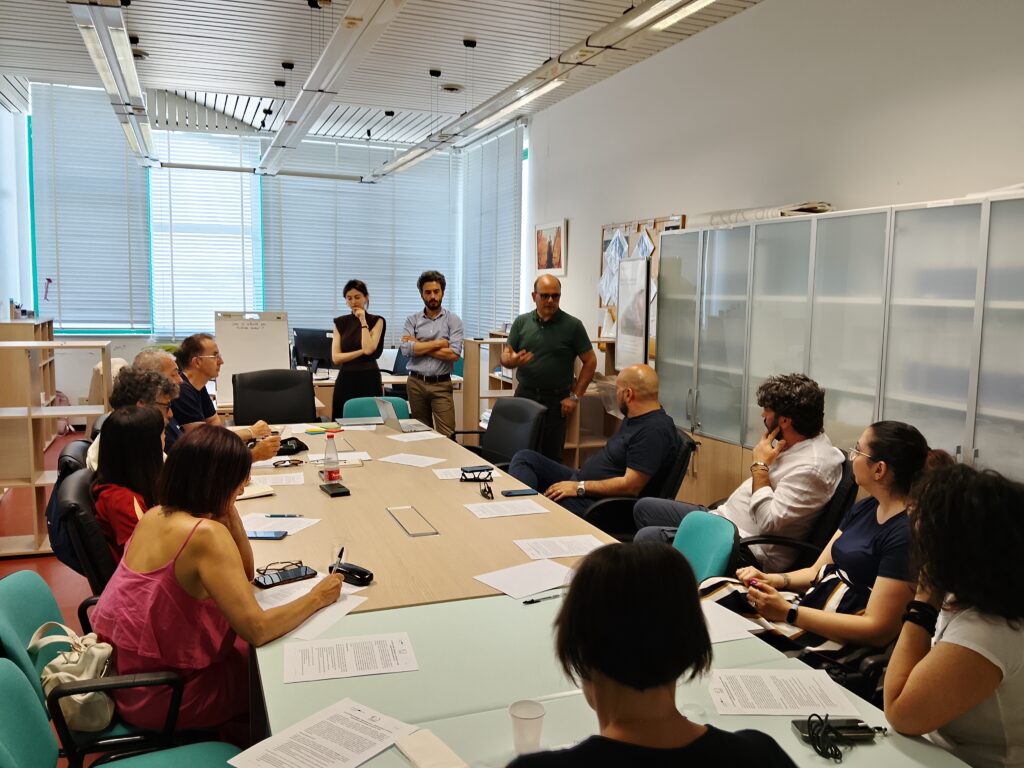
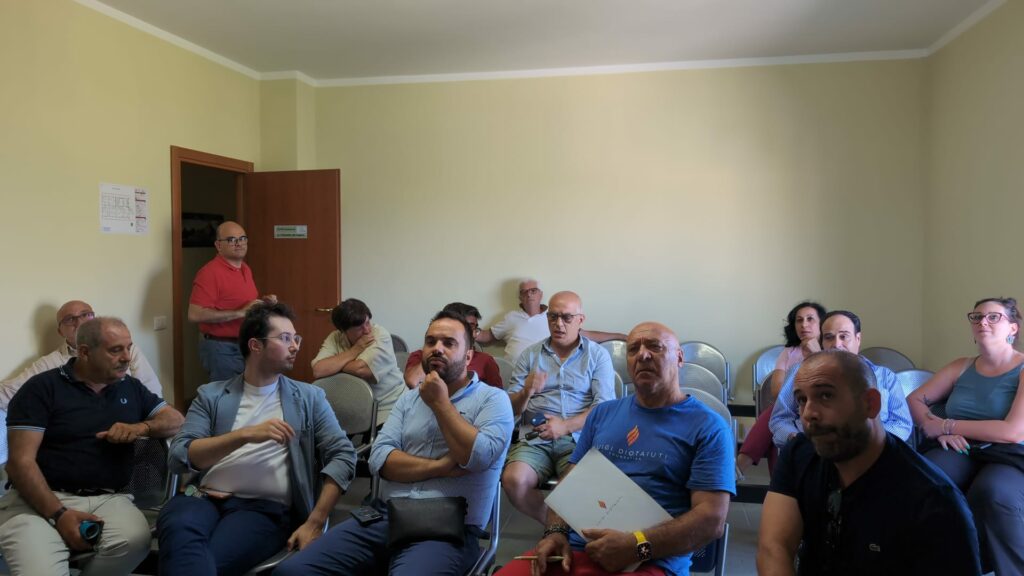
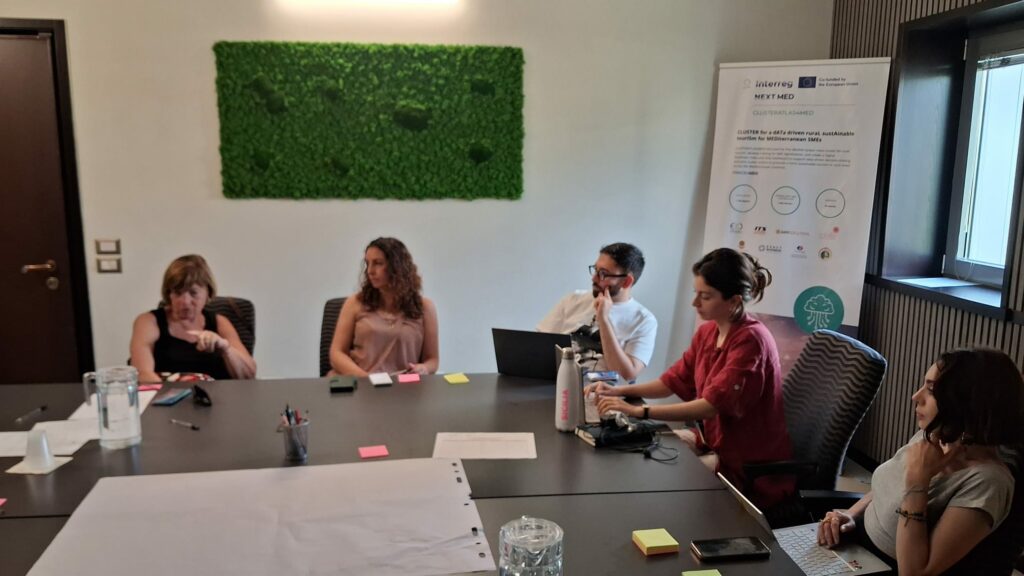
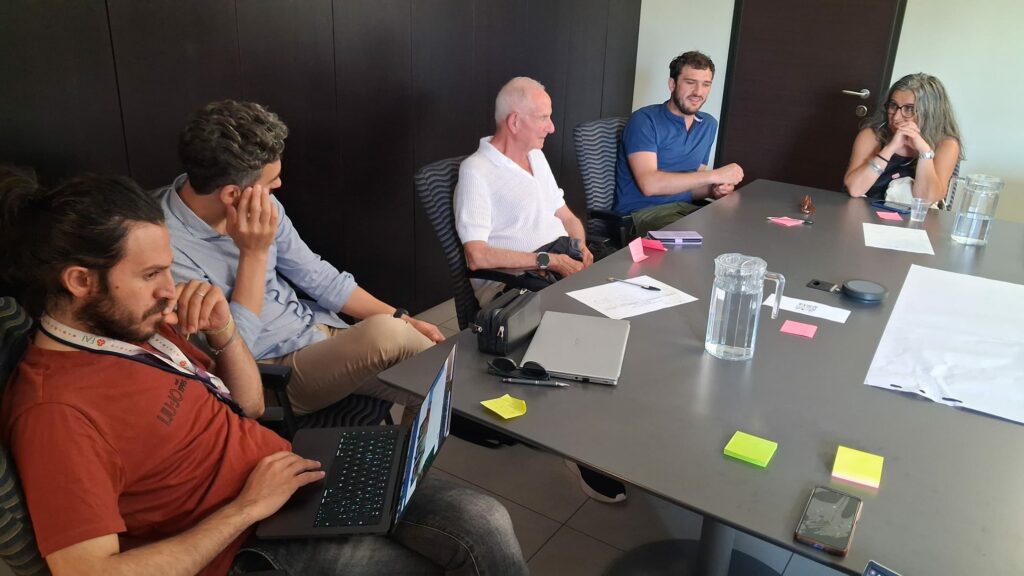
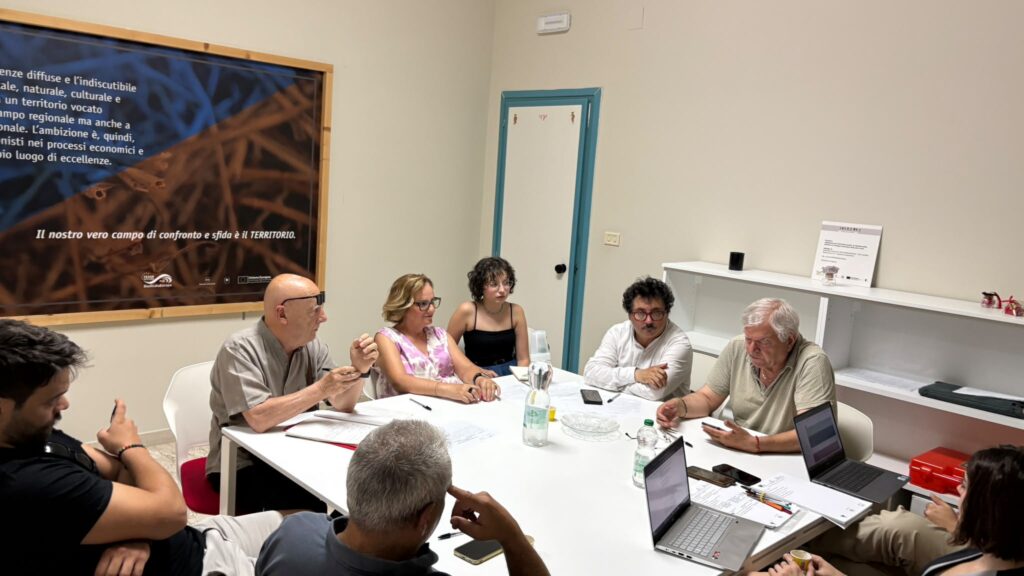
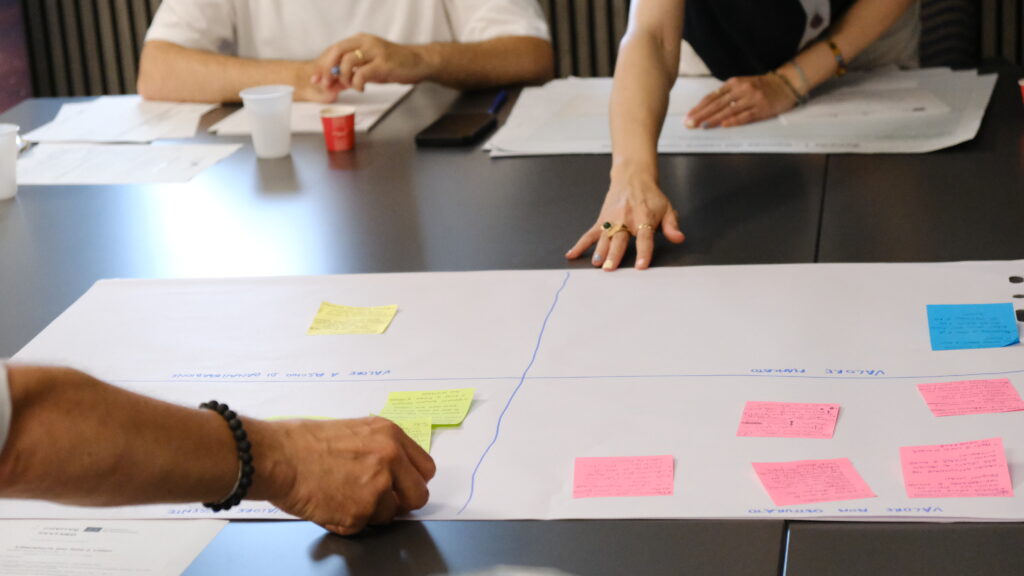
A significant first step towards its development and activation has now been completed in Basilicata, with the conclusion of the first cycle of Rural Living Labs.
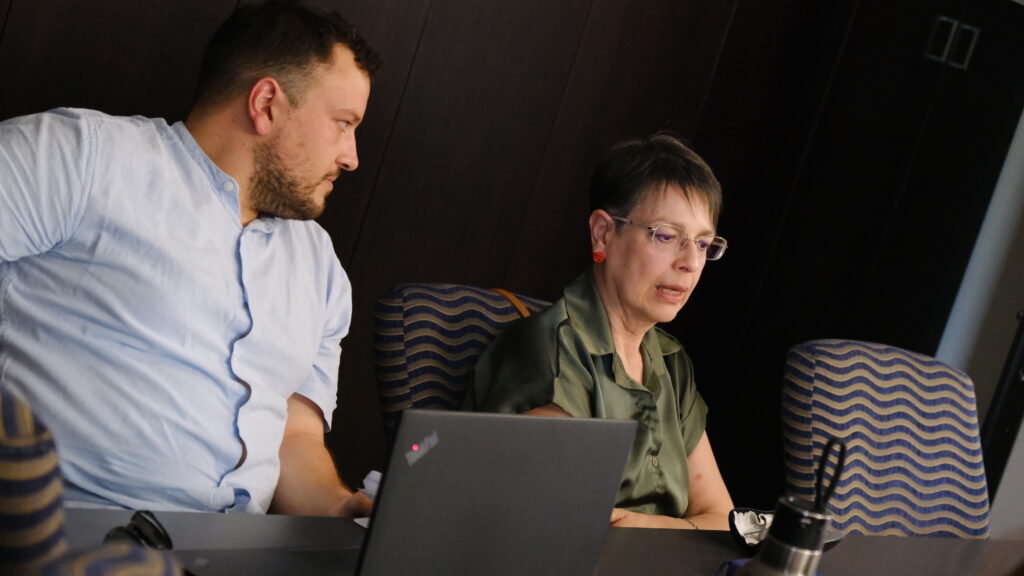
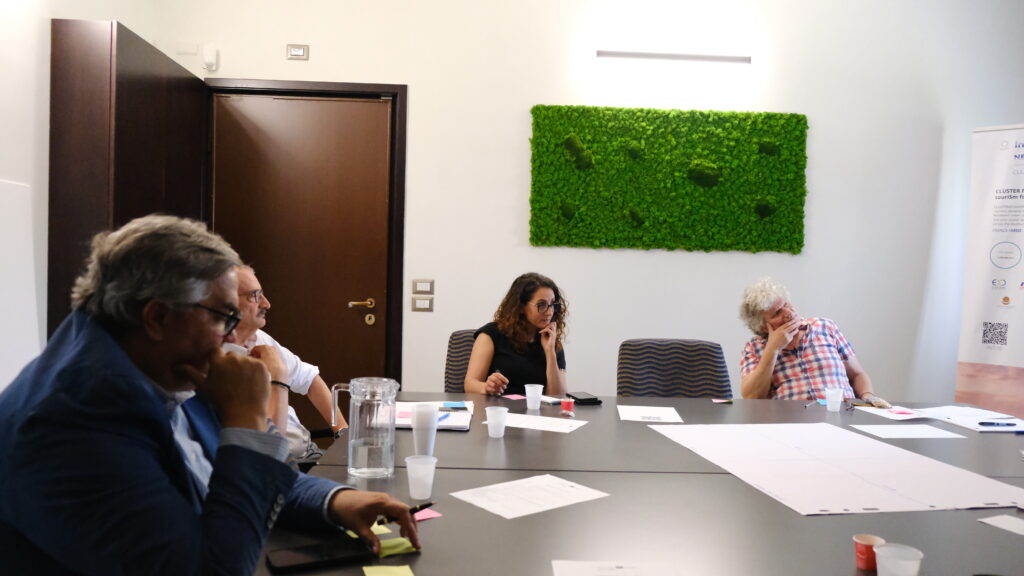
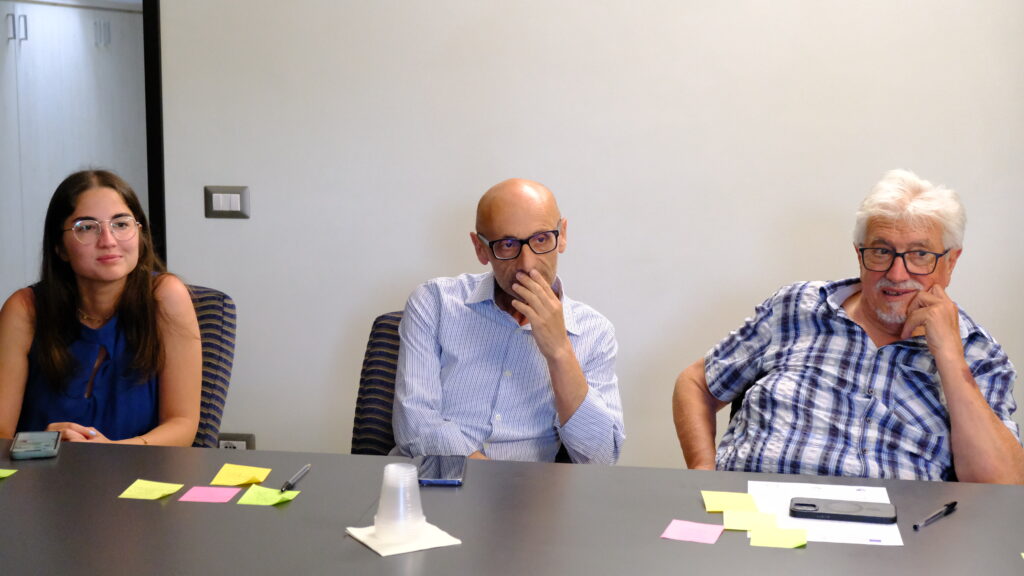
The seven RLLs brought together tourism businesses, farms, public authorities, Local Action Groups, researchers, associations and local communities.
Similar participatory processes are taking place in all partner countries, enabling each territory to contribute its own experience to the design of common services, digital tools and cooperation models.
The meetings in Basilicata showed that many rural tourism operators already use social media, online booking platforms and digital communication tools. However, these are often used in a limited or passive way, without a clear strategy and with little control over customer relationships, distribution channels and the data generated through online activities.
Participants expressed a strong need for practical support to use technology more confidently, independently and strategically.
The aim is not to replace major online platforms, rather it is to help businesses manage them more effectively, combine them with direct booking and customer management tools, diversify their sales channels and retain a greater share of the economic, relational and knowledge value generated by tourism.
Data also emerged as a key resource. Better information on visitors, seasonality, bookings, mobility and market demand can help both businesses and public authorities make more informed decisions. Yet data are frequently fragmented, incomplete or difficult to interpret.
Through CLUSTERATLAS4MED, these local needs will contribute to the development of shared digital readiness tools, data solutions, training activities and tailored support for rural tourism SMEs across the Mediterranean.
Digital transformation, however, cannot be achieved through technology alone. The Rural Living Labs also highlighted the need to strengthen cooperation among businesses, territories and organisations.
The future Lucanian Rural Tourism Cluster was therefore envisaged as a practical facilitator: connecting businesses with expertise, encouraging joint initiatives and making support services, knowledge and digital opportunities easier to access. This local facilitation role will be connected to the wider CLUSTERATLAS4MED Meta-Cluster, enabling territories to exchange knowledge, test common solutions and learn from experiences developed in other Mediterranean regions.
Basilicata’s contribution also confirmed that digital communication must remain rooted in territorial knowledge. Technology can make local stories, services and experiences easier to find and share, but communities and operators must first be able to understand, interpret and communicate the distinctive value of their own territory.
The results collected in Basilicata will now be combined with those emerging from the other partner countries. Together, they will help shape the Meta-Cluster Strategy and Governance, its common service portfolio, training activities, digital and data tools, and future Joint Action Plan.
This is the added value of Interreg NEXT MED: turning local needs into shared solutions and connecting rural territories facing similar challenges across national borders.
Through CLUSTERATLAS4MED, the voices gathered in Basilicata are becoming part of a wider Mediterranean effort to make rural tourism more connected, digitally capable and competitive, while helping businesses and communities retain more of the value they create.
 Next Med