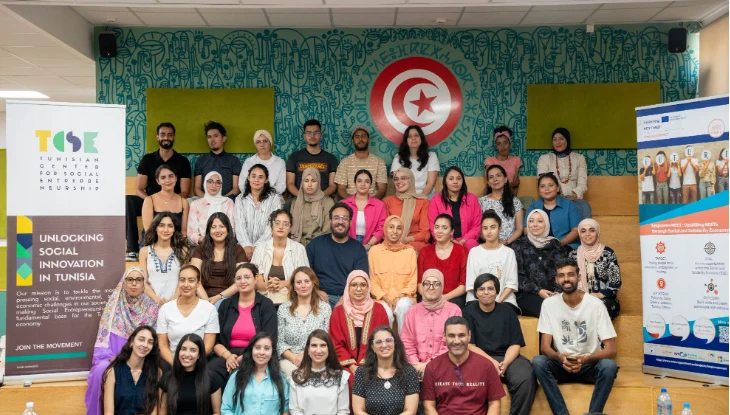
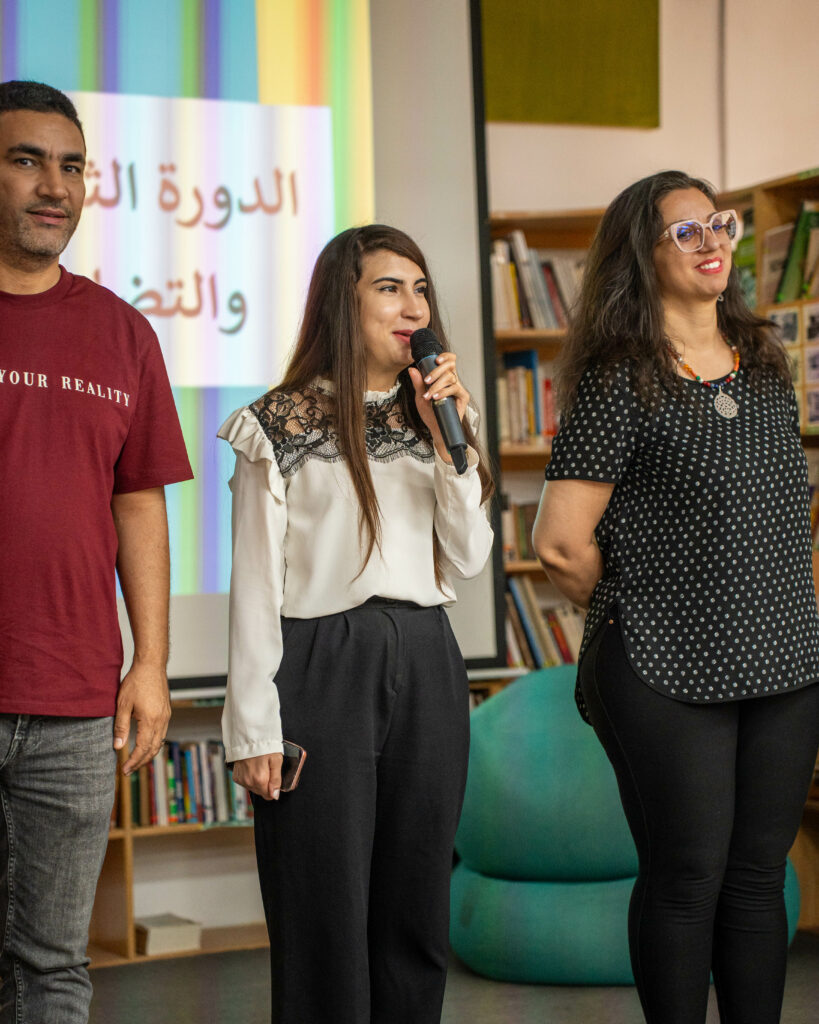
EmpoweerNEET Cycle 2 Tunisia marked another important milestone in the project’s capacity-building programme. Implemented by the Tunisian Center for Social Entrepreneurship (TCSE), the second training cycle equipped 55 young people with practical knowledge and tools to transform community challenges into sustainable social entrepreneurship opportunities through the principles of the Social and Solidarity Economy (SSE).
Building on the personal development and employability skills acquired during Cycle 1, participants shifted their focus from understanding themselves to understanding the needs of their communities. Consequently, they explored how social entrepreneurs identify problems, engage stakeholders, and design solutions that create lasting social, environmental, and economic impact.
EmpoweerNEET Cycle 2 Tunisia Strengthens Social Entrepreneurship Skills
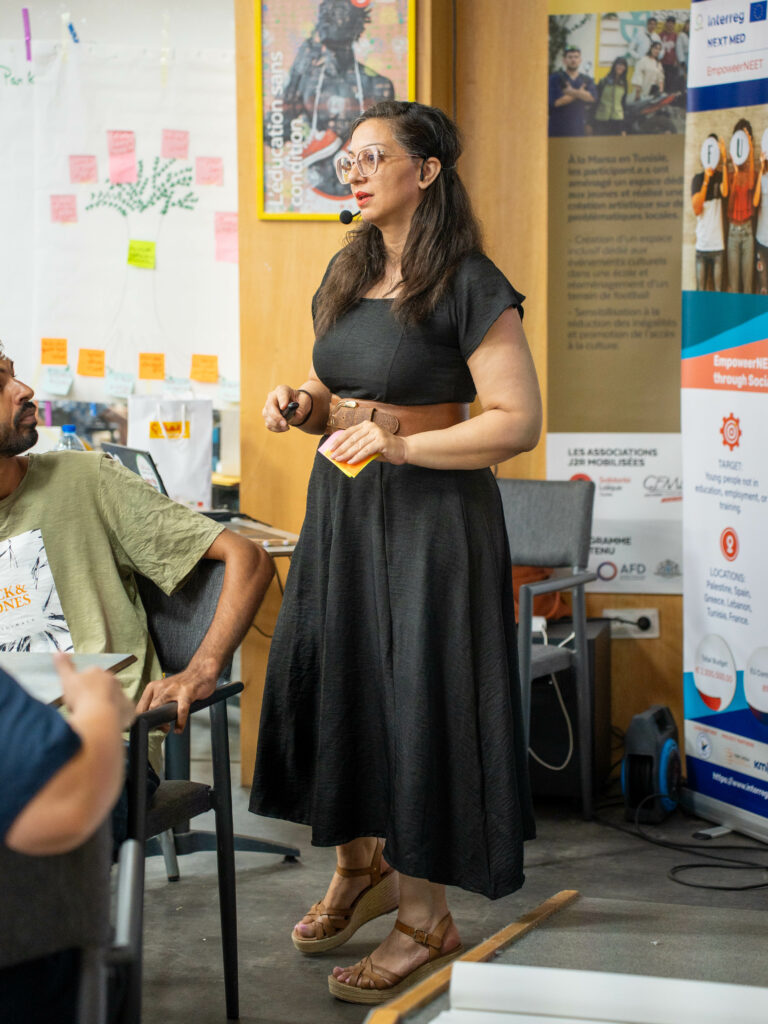
The training programme introduced participants to the foundations of Social Entrepreneurship, Social and Solidarity Economy (SSE), and problem-solving methodologies. However, rather than starting with business plans, trainers encouraged participants to begin by analysing real community challenges.
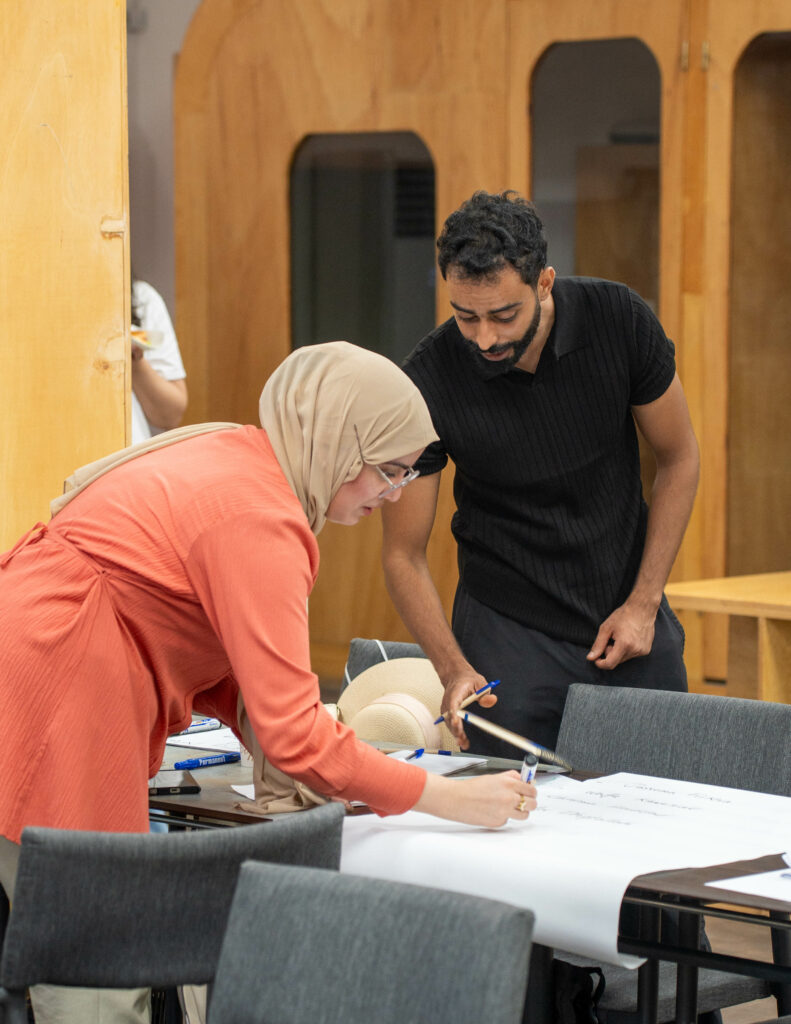
Throughout the programme, participants practised observation techniques, stakeholder mapping, active listening, and community needs assessment. Moreover, they learned how to distinguish assumptions from evidence and identify the root causes of social and environmental issues before proposing solutions.
As a result, participants recognised that successful social enterprises emerge from a deep understanding of local realities rather than from business ideas alone.
Young Participants Design Solutions for Local Communities
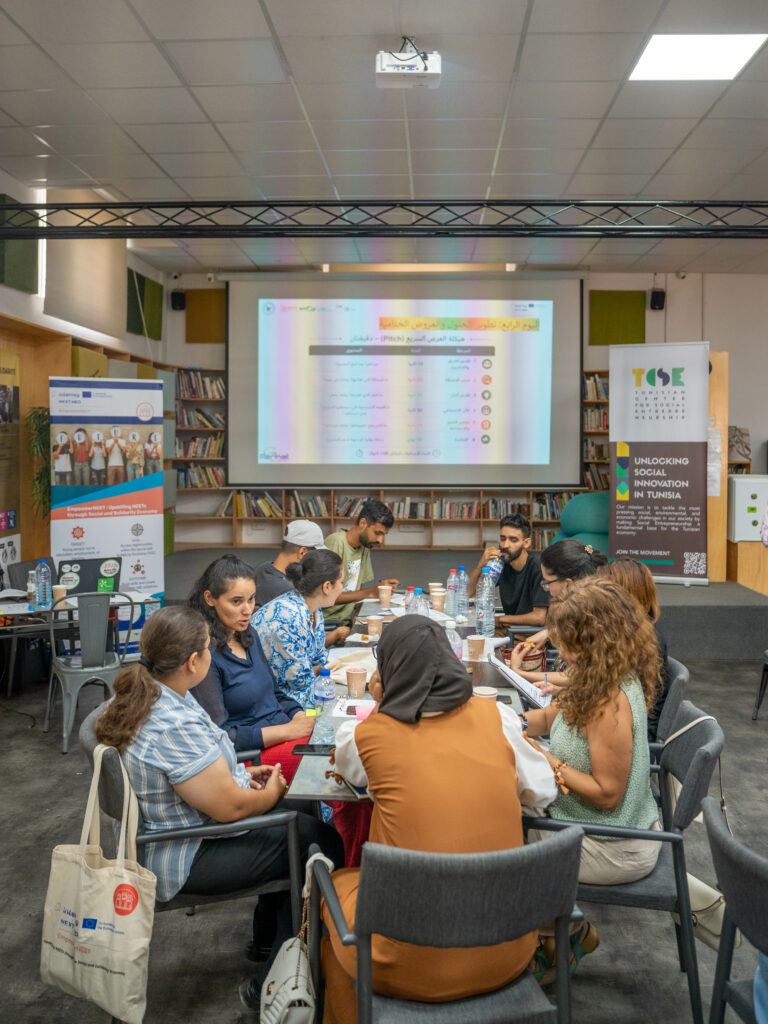
Working in multidisciplinary teams, the 55 participants represented diverse educational and professional backgrounds, including engineering, healthcare, digital marketing, information technology, pharmacy, crafts, and creative industries.
Together, they analysed community challenges, identified affected stakeholders, examined root causes, and explored opportunities for sustainable intervention.
Furthermore, the collaborative environment encouraged participants to exchange experiences and combine different perspectives. This process demonstrated that innovation grows stronger when diverse knowledge and expertise come together.
Learning the Principles of the Social and Solidarity Economy
Cycle 2 also helped participants understand that social entrepreneurship creates value beyond financial returns.
During practical workshops and group discussions, participants explored how social enterprises can simultaneously generate economic sustainability, social impact, and environmental value. In addition, they learned how these dimensions reinforce one another when designing inclusive and resilient business models.
Instead of viewing Tunisia’s socio-economic challenges as barriers, participants increasingly viewed them as opportunities for innovation and positive change.
Building Confidence Through Collaboration
One of the programme’s most significant outcomes was the shift in participants’ mindset.
Rather than waiting for opportunities to appear, participants began identifying ways to create opportunities within their own communities. Through teamwork, dialogue, and practical exercises, they strengthened their confidence while developing solutions that respond to genuine local needs.
Reflecting on the experience, one trainer noted:
“What impressed me most was not only the diversity of the participants, but also their determination to transform Tunisia’s challenges into opportunities that create employment, social value, and hope.”
This collaborative approach strengthened participants’ problem-solving abilities while reinforcing the importance of empathy, experimentation, and collective action.
Next Steps for EmpoweerNEET Cycle 2 Tunisia
Following the successful completion of Cycle 2, participants will continue their learning journey through the upcoming training cycles.
They will further develop business models, strengthen entrepreneurial and digital competencies, and refine their project ideas with continued mentoring and practical learning activities. Consequently, participants will be better prepared to launch sustainable initiatives that address local challenges while creating long-term value for their communities.
Supporting Youth Through Innovation
The second training cycle confirms the value of investing in young people through practical, learner-centred education.
By combining social entrepreneurship, community engagement, and Social and Solidarity Economy principles, EmpoweerNEET Cycle 2 Tunisia enables young people to become active contributors to inclusive and sustainable development rather than passive job seekers.
EmpoweerNEET brings together partners from Palestine, Spain, Greece, Lebanon, Tunisia, and France. The project is co-funded by the European Union through the Interreg NEXT MED Programme, promoting cooperation for a smarter, greener, more inclusive, and better-governed Mediterranean region.
 Next Med