EmpoweerNEET Supports Young People in Palestine to Turn Community Challenges into Social Enterprise Ideas

Young people in Palestine explored social entrepreneurship and the Social and Solidarity Economy. They turned community challenges into practical ideas for social enterprise.

Publication Date
11/08/2026
Reading Time
4 minutes

From Community Challenges to Social Enterprise Ideas

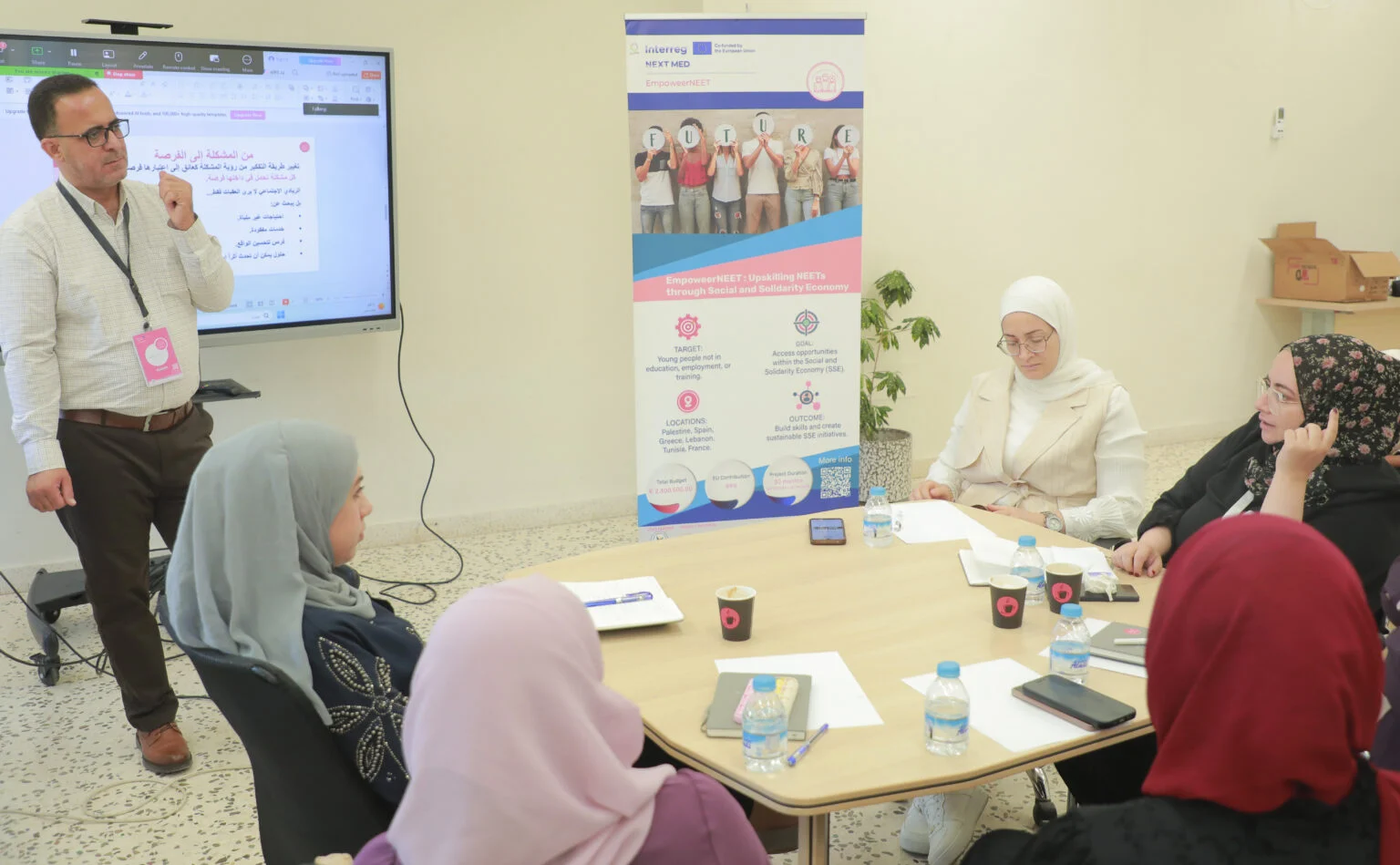
Young people in Palestine took an important step towards social entrepreneurship through the EmpoweerNEET training programme.

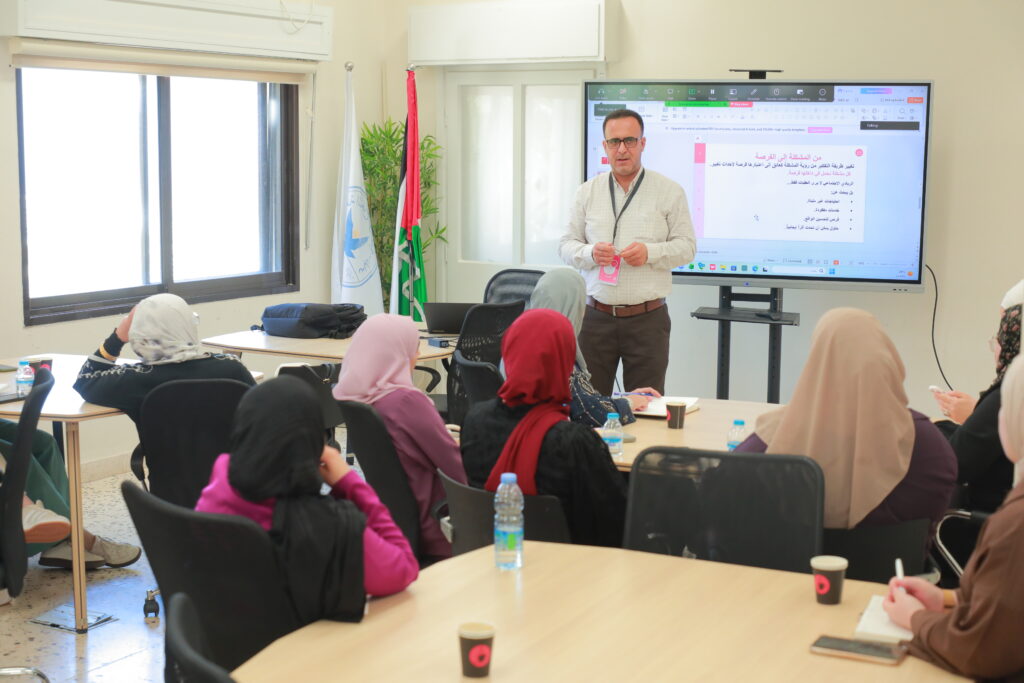
An-Najah National University implemented the training in Palestine. The activities focused on Social Entrepreneurship and the Social and Solidarity Economy.

Participants explored real challenges in their communities. They also developed ideas for practical solutions. These solutions aim to create social, economic, and environmental value.

The activities formed part of the second stage of the EmpoweerNEET training journey. The first stage focused on employability and professional readiness.

The new stage shifted the focus towards community needs. Participants learned how to identify challenges and explore possible solutions. They also examined how entrepreneurship can support positive change.

Understanding Social Entrepreneurship

Participants explored the main principles of Social Entrepreneurship. They also learned about the Social and Solidarity Economy (SSE).

The sessions examined the differences between social enterprises, traditional businesses, and charitable initiatives.

Participants learned that social enterprises need both social impact and economic sustainability. A successful enterprise should address a real community need. It should also create value for its beneficiaries.

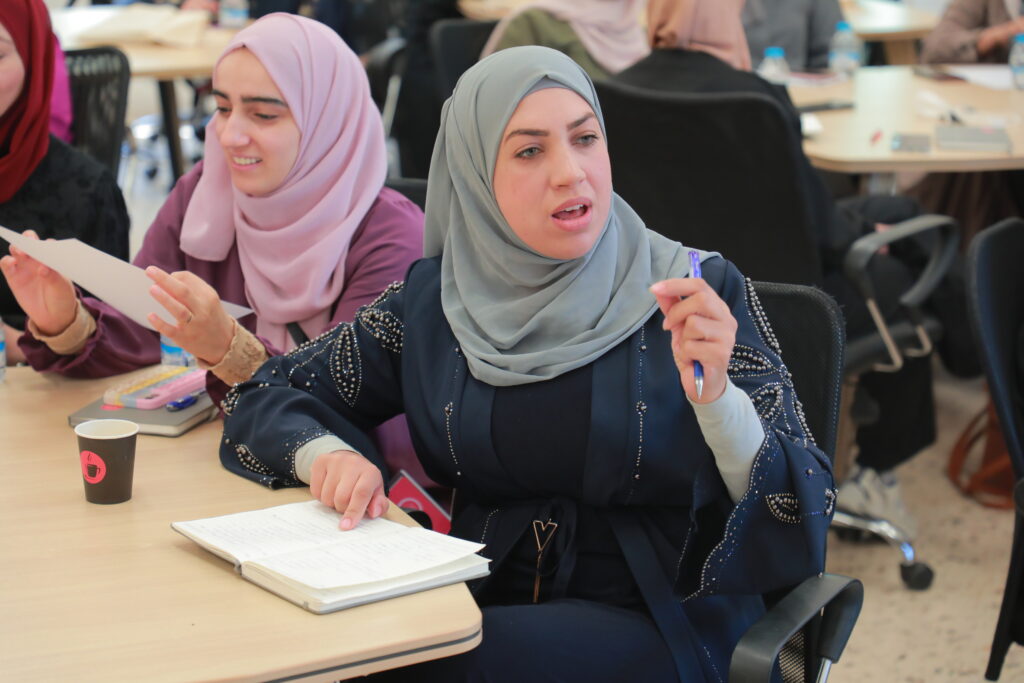
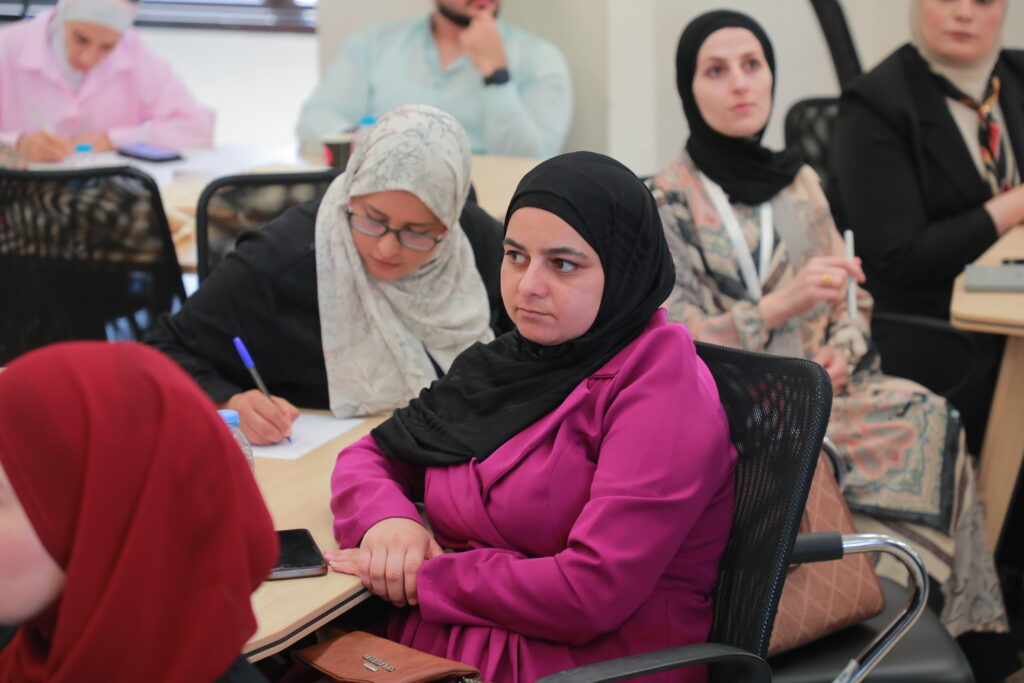
The training used interactive discussions and practical examples. Group activities also helped participants apply the concepts.

The sessions covered several key topics. These included collective responsibility, inclusion, sustainability, and community development.

Identifying Community Challenges

The training placed strong emphasis on understanding problems before developing solutions.

Participants discussed several challenges in Palestinian communities. These included:

  • Unemployment and limited economic opportunities
  • Plastic waste and environmental challenges
  • Waste management and recycling
  • Agricultural production and marketing
  • Challenges faced by women in the labour market
  • Inclusion of persons with disabilities and other marginalised groups
  • Access to training and professional opportunities

Participants looked beyond the visible symptoms of each problem. They explored its root causes and possible consequences.

They also identified key stakeholders and potential beneficiaries.

To support this work, participants used practical tools. These included problem-tree analysis and the Five Whys method.

These tools helped participants understand why problems occur. They also helped them explore connections between different factors.

Developing Social Enterprise Ideas

The training then moved from problem analysis to solution development.

Participants worked individually and in groups. They discussed ideas linked to several community needs.

These ideas included waste recycling, organic fertilisers, agriculture, and beekeeping. Other ideas focused on employment support and women’s empowerment.

Participants also explored the role of Artificial Intelligence (AI) in social innovation.

They discussed how technology could improve services. It could also support new employment opportunities.

One idea explored the use of ozone technology to address agricultural pest challenges.

Other ideas focused on farmers and their needs. These included improving production and marketing.

Participants also discussed recycling initiatives. They explored ways to create opportunities for unemployed graduates.

These discussions encouraged participants to think beyond traditional business models. They also showed how entrepreneurship can respond to community needs.

Turning Challenges into Opportunities

A key message throughout the training was simple. Social entrepreneurship starts with understanding people and communities.

Participants explored several questions before developing a project:

What is the problem? Who is affected? What are its root causes? What solution can we offer? How can we measure its impact?

This approach helped participants understand the role of focused solutions.

A social enterprise does not need to solve an entire societal problem. It can address one part of a wider challenge. It can still create meaningful impact.

Participants also learned how to identify target groups. They explored stakeholder needs and potential risks.

They also considered sustainability and the future growth of their ideas.

Collaboration Supports Social Innovation

Collaboration played an important role throughout the training.

Participants exchanged ideas and experiences. They also explored potential partnerships with different organisations.

These included universities, municipalities, civil society organisations, and local institutions.

Such partnerships can provide valuable resources. They can offer knowledge, facilities, networks, and market opportunities.

The sessions also highlighted the importance of community engagement.

A strong social enterprise should involve the people affected by the challenge. Their experience can help shape better and more relevant solutions.

From Learning to Action

The final session focused on developing and refining project ideas.

Participants worked in small teams. They developed proposals that combine social and economic value.

Each idea focused on a specific community problem. Participants also identified a target group and proposed a practical solution.

They considered how each project could create measurable impact.

The training team encouraged participants to explore partnerships. They also discussed how to use available university and community resources.

By the end of the training, participants had a clearer understanding of the development process.

They learned how to move from a community challenge to a potential social enterprise solution.

Looking Ahead

The completion of this training stage marks an important milestone for EmpoweerNEET in Palestine.

Participants will continue developing their skills through upcoming activities. These activities will build on their previous learning.

The next stages will focus on several areas. These include entrepreneurship, digital skills, and professional development.

Participants will also have opportunities to strengthen their project ideas. They will explore business and financial models and develop practical skills.

Mentoring and other project activities will provide further support.

Through this approach, EmpoweerNEET aims to empower young people who are not in employment, education, or training.

The project also supports their participation in the Social and Solidarity Economy.

Empowering Young People to Create Change

The training showed that youth empowerment goes beyond providing knowledge and skills.

It also creates space for young people to question, collaborate, and experiment.

Most importantly, it helps them develop solutions to challenges in their communities.

By connecting social entrepreneurship with practical problem-solving, EmpoweerNEET supports young people in turning challenges into opportunities.

EmpoweerNEET brings together partners from Palestine, Spain, Greece, Lebanon, Tunisia, and France.

The project receives co-funding from the European Union through the Interreg NEXT MED Programme.

The programme supports cooperation across the Mediterranean. It promotes a smarter, greener, more inclusive, and better-governed Mediterranean region.

Gallery

Last Update

11/08/2026