EmpoweerNEET Helps Young People in Tunisia Turn Ideas into Business Opportunities

EmpoweerNEET Tunisia helps young people build entrepreneurial skills, business planning and financial literacy while exploring future employment and entrepreneurship opportunities.

Publication Date
31/08/2026
Reading Time
3 minutes

EmpoweerNEET Tunisia is helping young people develop practical entrepreneurial skills, business planning knowledge and financial literacy. The training supports participants as they explore new employment and entrepreneurship opportunities.

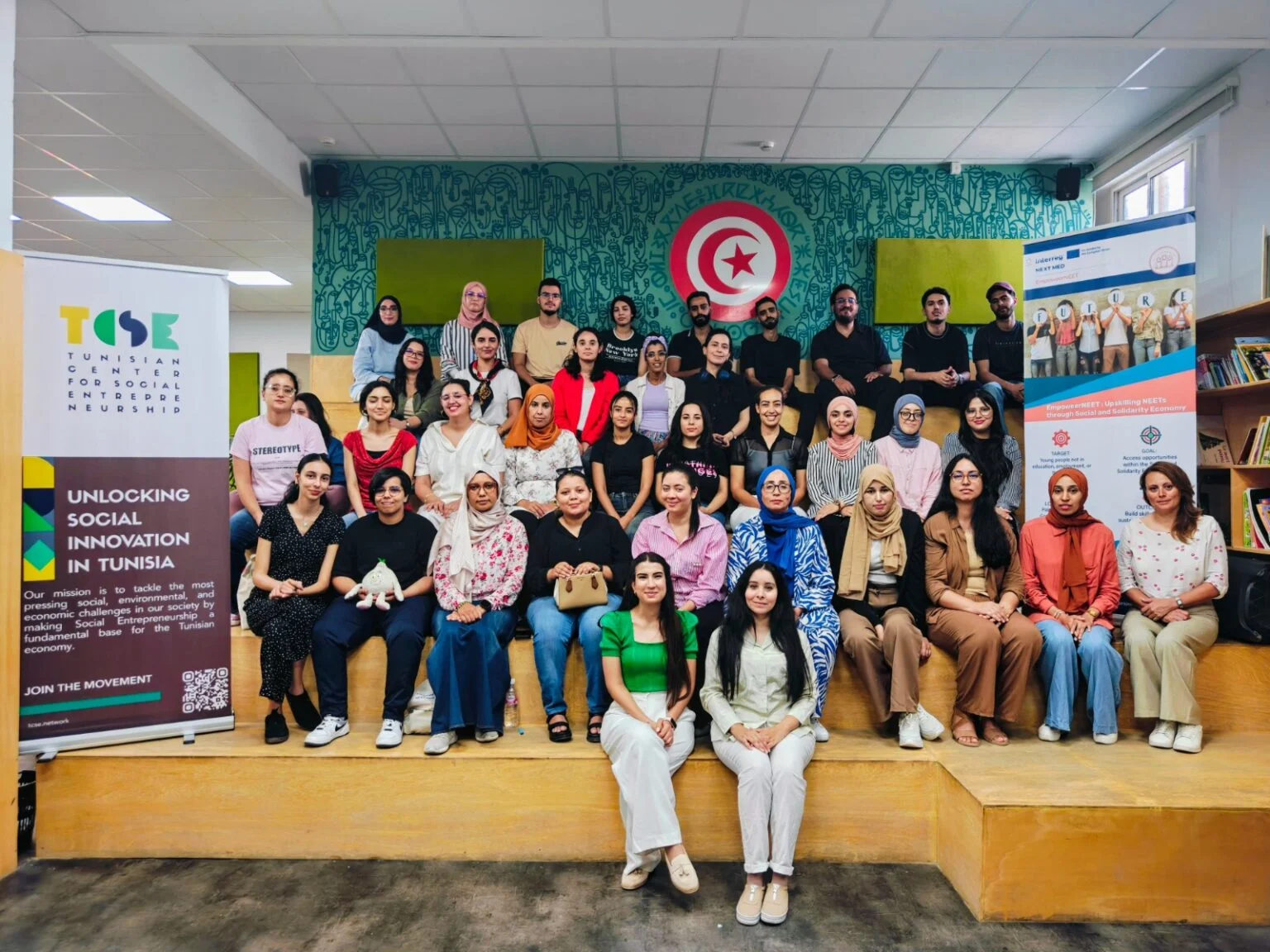
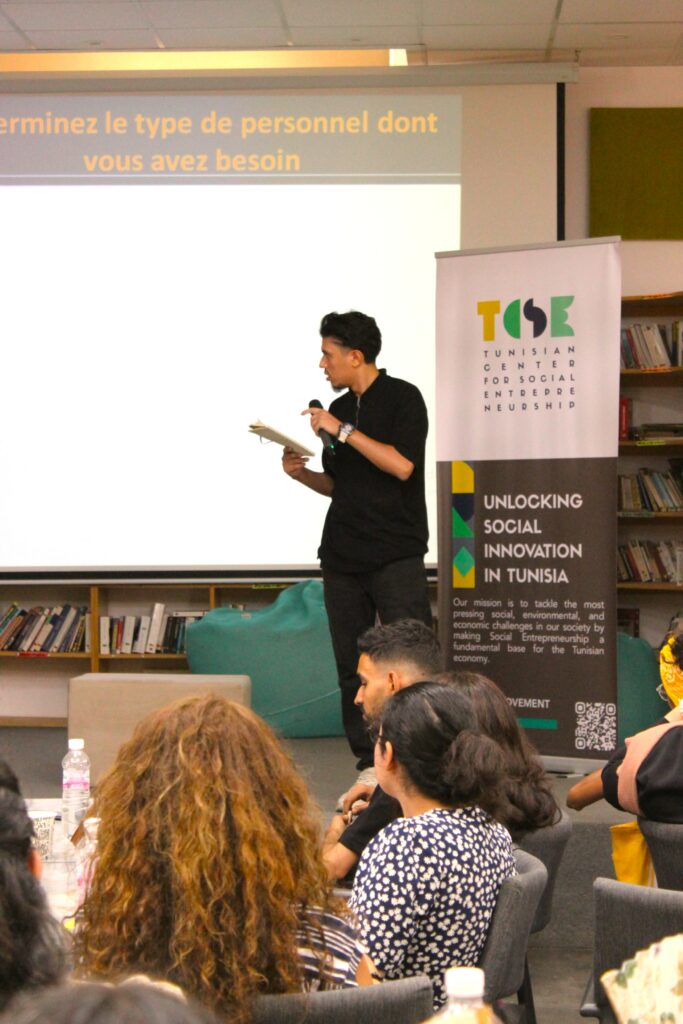
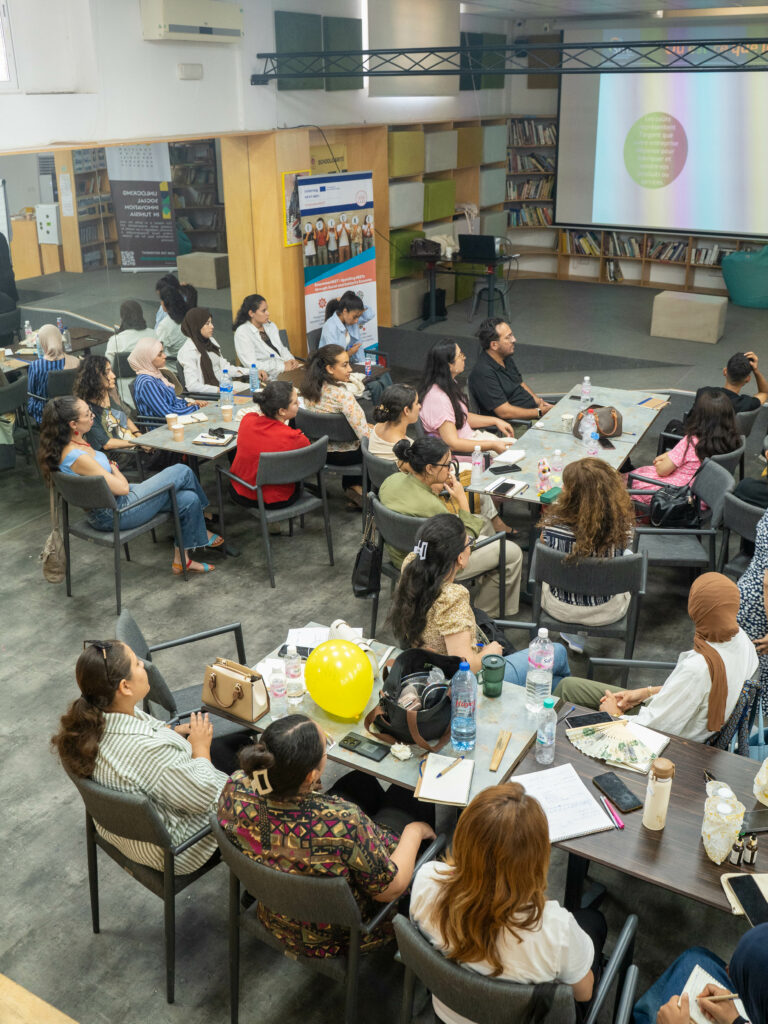
The latest training activities formed part of Cycle 3 of the EmpoweerNEET Training Programme. The cycle focused on Entrepreneurial Skills, Business Planning and Financial Literacy. It built on the skills developed during earlier stages of the programme.

The training also brought participants closer to the practical side of entrepreneurship. They explored how an idea can become a realistic and sustainable opportunity.

EmpoweerNEET Tunisia: From Ideas to Business Opportunities

The training helped participants understand how ideas can respond to real needs. It also showed them how to develop these ideas into structured initiatives.

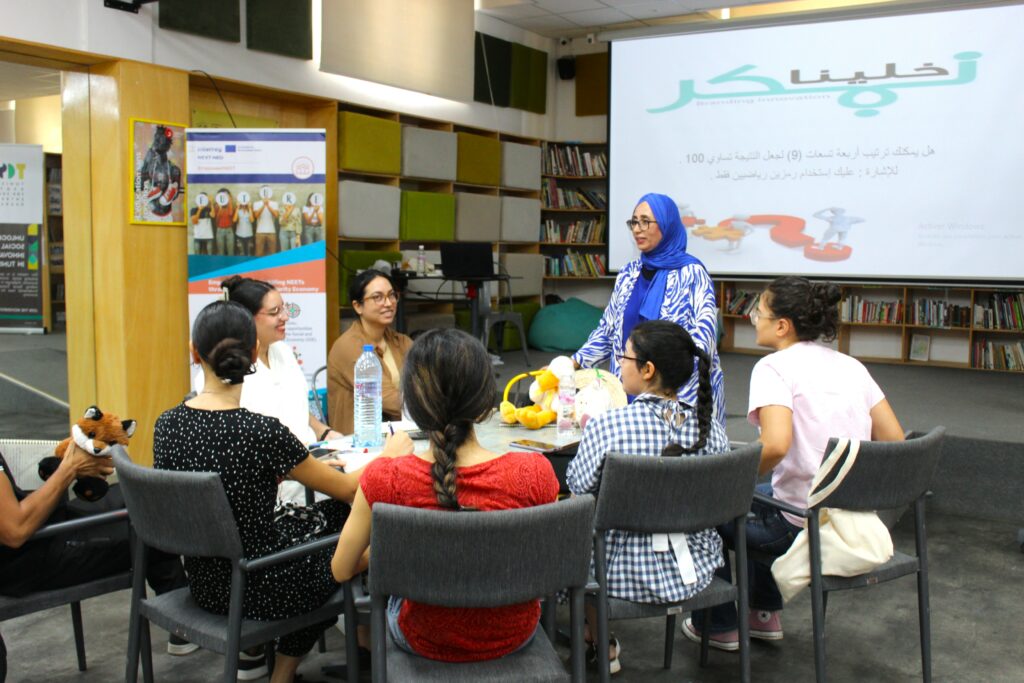
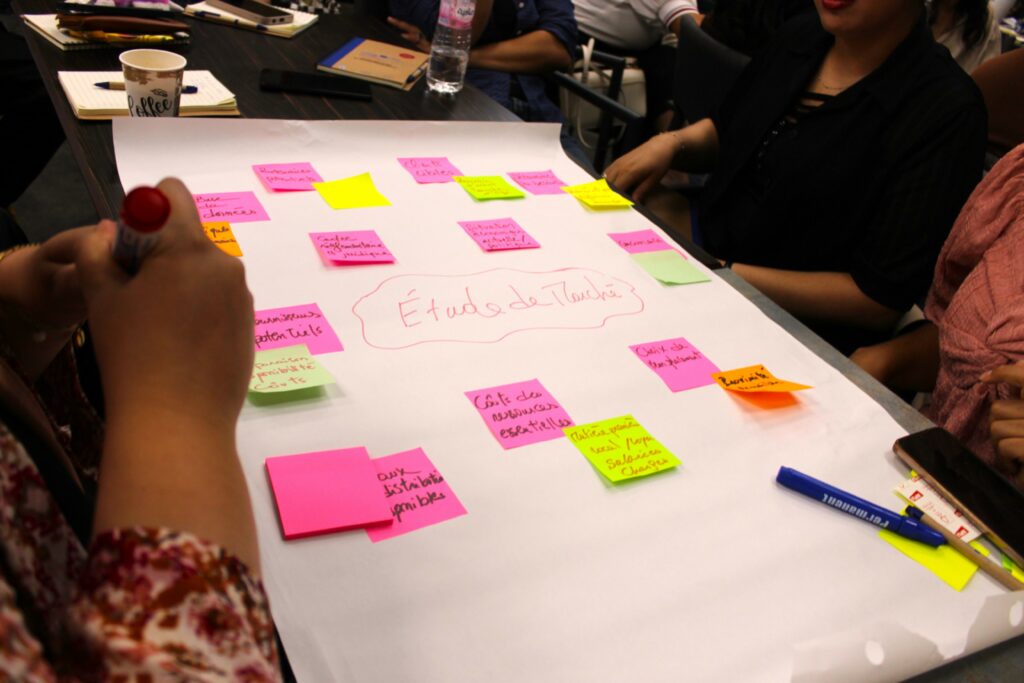
Practical exercises formed an important part of the sessions. Participants discussed their ideas and worked together on different business concepts.

They explored key questions about their potential projects. Who are the customers? What problem does the idea solve? What value does it offer? What resources does it need? Which partners could help? How can the idea generate income?

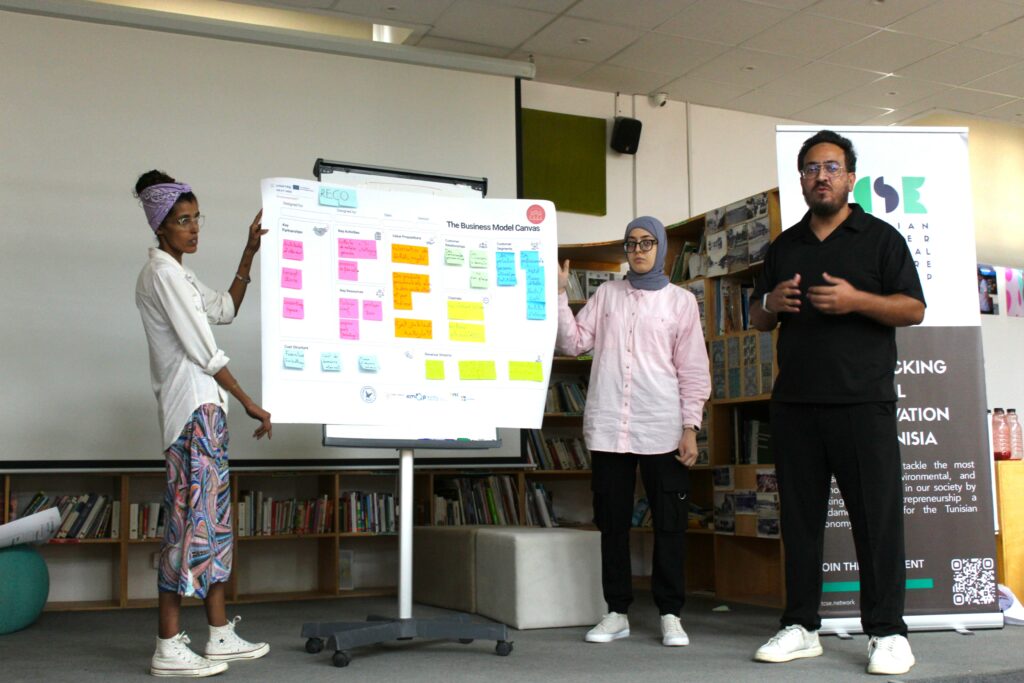
The Business Model Canvas (BMC) became an important tool during the training.

Participants explored each part of the canvas and applied it to business ideas. They looked at customer groups, value propositions, key activities, resources, partnerships and revenue streams.

This process helped participants see their ideas from a new perspective. Simple concepts became more structured. They also started to identify questions about customers, resources, costs and sustainability.

Building Practical Business Plans

The training also introduced the main principles of business planning.

Participants learned how to connect different parts of a business idea. They worked on practical exercises and considered the steps needed to move an idea forward.

The sessions also focused on feasibility. Participants considered the resources they would need and the challenges they could face.

This approach showed that entrepreneurship involves more than a good idea. It also requires research, planning and informed decisions.

Organisation and continuous development are equally important. These skills can help young people manage projects and respond to changing needs.

Strengthening Financial Literacy

Financial literacy formed another key part of the training.

Participants explored basic concepts such as costs, revenues and budgeting. They also discussed the importance of making informed financial decisions.

These topics helped participants look at the financial side of their ideas. They could then ask an important question: can this initiative become financially sustainable?

The sessions connected financial knowledge with business planning. This gave participants a more complete view of what it takes to develop a viable business idea.

Skills for Entrepreneurship and Employment

The training focused on entrepreneurship, but its benefits go beyond starting a business.

Participants also developed skills that can support their future employment. These include problem-solving, planning, communication and strategic thinking.

Financial awareness and initiative can also help young people in different professional settings. Understanding how businesses work can support both employees and future entrepreneurs.

This reflects the wider approach of EmpoweerNEET Tunisia. The programme gives young people practical skills that can help them explore different career options.

Not every participant needs to become an entrepreneur. Each person can choose a different professional path.

The important goal is to give young people the tools and confidence to make informed choices about their future.

From Uncertainty to Possibility

The participants brought different experiences and ambitions to the training. Some already had business ideas. Others explored entrepreneurship for the first time.

One participant described the experience in a particularly meaningful way:

“This cycle made me realize that I can have my own business in the future—and that I can actually start working towards it.”

This reflection captures an important outcome of the training. The participant moved from thinking about a possible future to considering concrete steps towards it.

A business idea from a training session can become the starting point for a future project. A Business Model Canvas can continue to develop as the idea grows.

Financial planning can also support better decisions in future work or business activities.

The learning therefore continues beyond the training sessions. Participants can use these tools as they develop their professional plans.

Building What Comes Next

Cycle 3 marks an important step in the EmpoweerNEET Tunisia training journey. The cycle built on previous learning and introduced participants to the practical side of entrepreneurship.

Entrepreneurial skills, business planning and financial literacy gave participants a strong foundation for their next steps.

They can now continue developing their ideas and exploring employment and entrepreneurship opportunities.

The training also supports the wider objectives of EmpoweerNEET. The project aims to help young people who are not in employment, education or training develop skills and access new opportunities.

Empowerment is not only about finding existing opportunities. It is also about gaining the skills and confidence to create new ones.

For the young people taking part in Tunisia, this training was an important step from ideas towards action.

Gallery

Last Update

31/08/2026