EmpoweerNEET Equips Young People in Palestine with Digital and Entrepreneurial Skills

Young people in Palestine are strengthening entrepreneurial ideas, digital skills, professional communication, and online safety through EmpoweerNEET training sessions.

Publication Date
16/09/2026
Reading Time
3 minutes

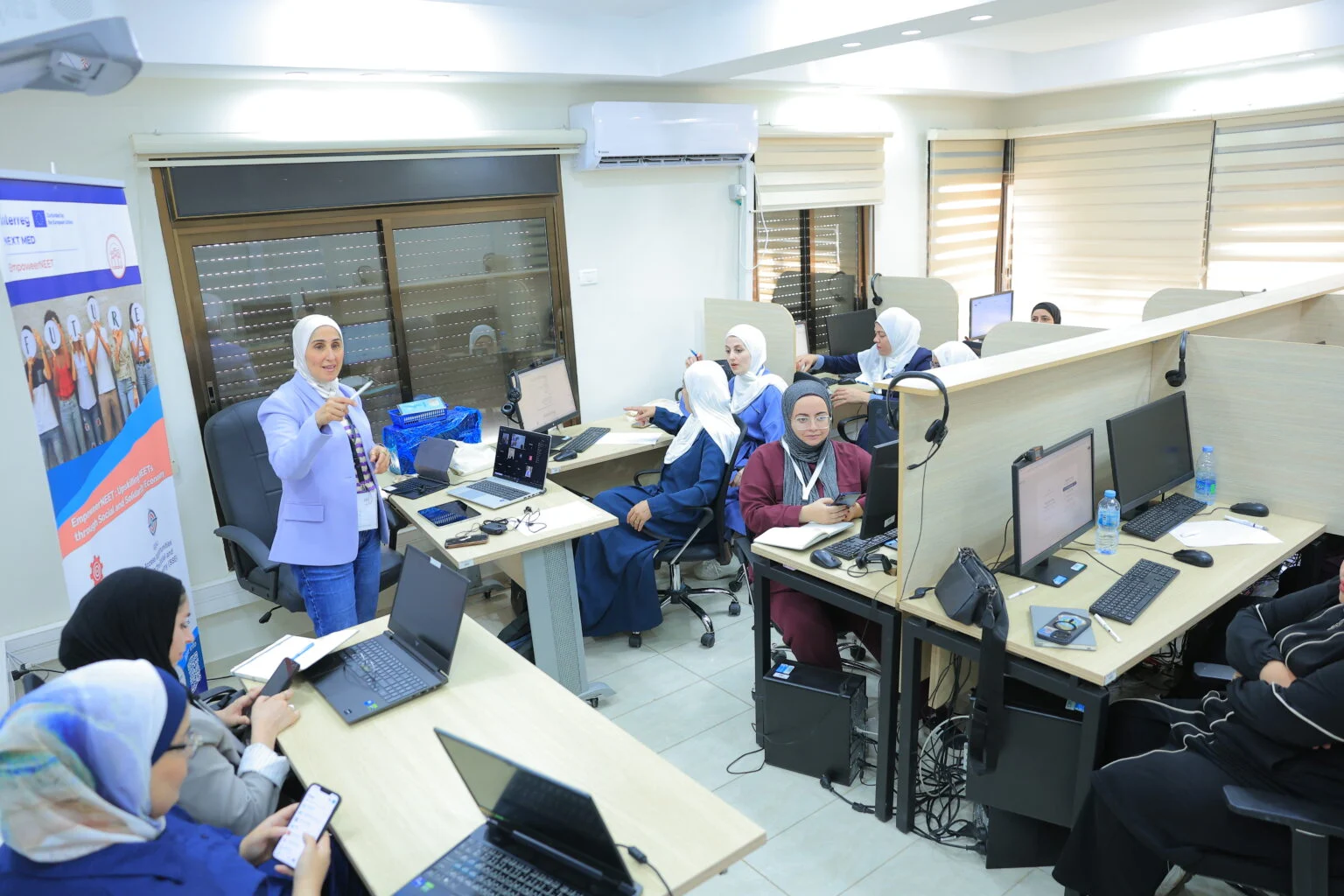
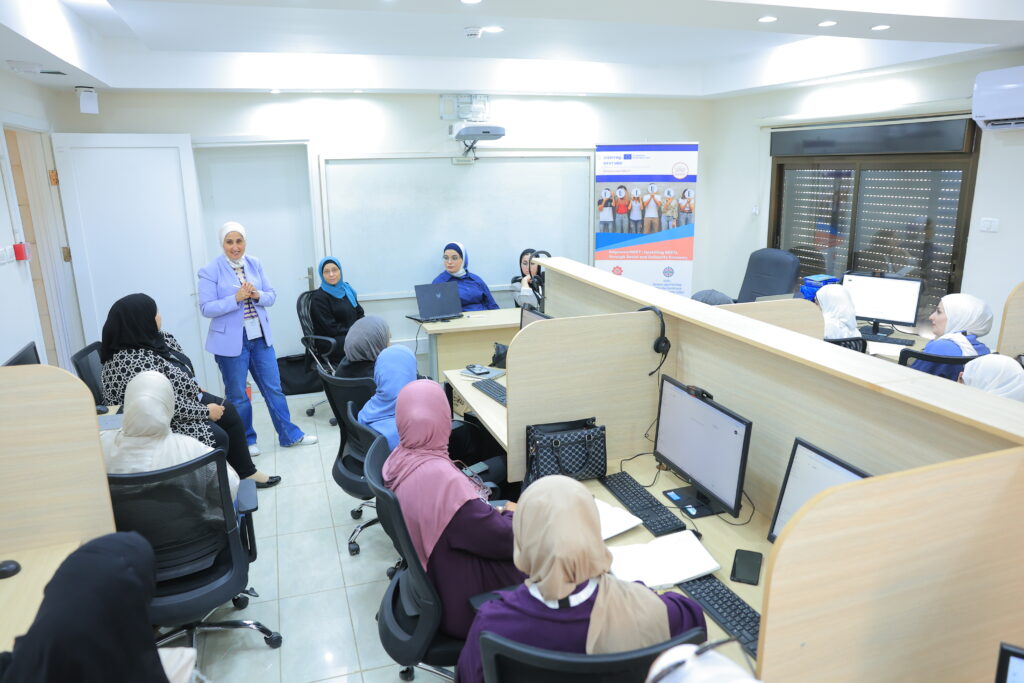
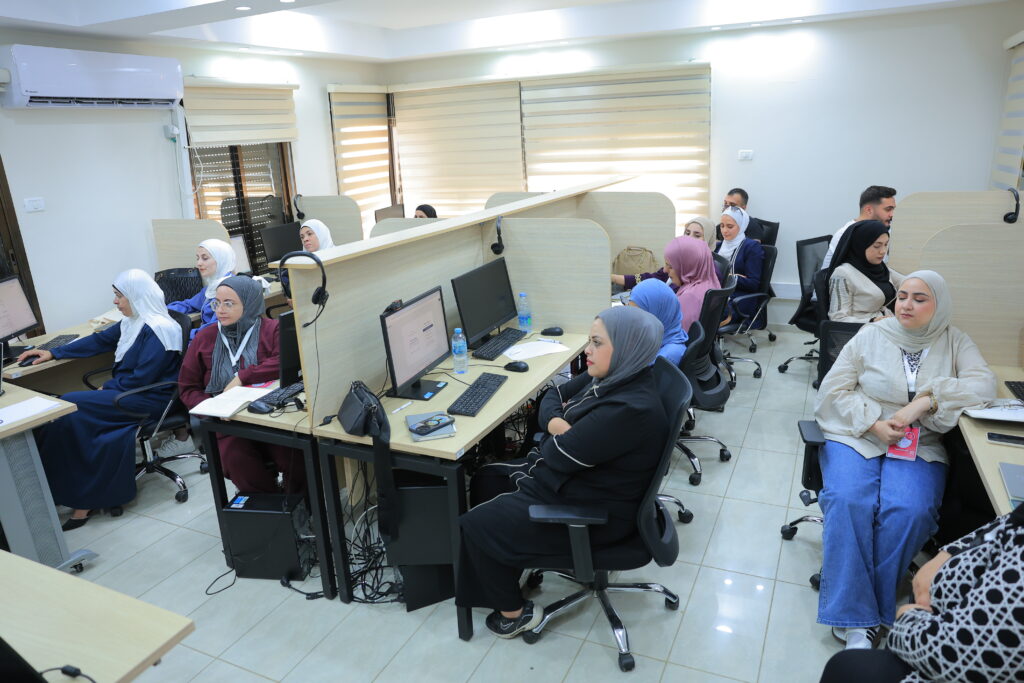
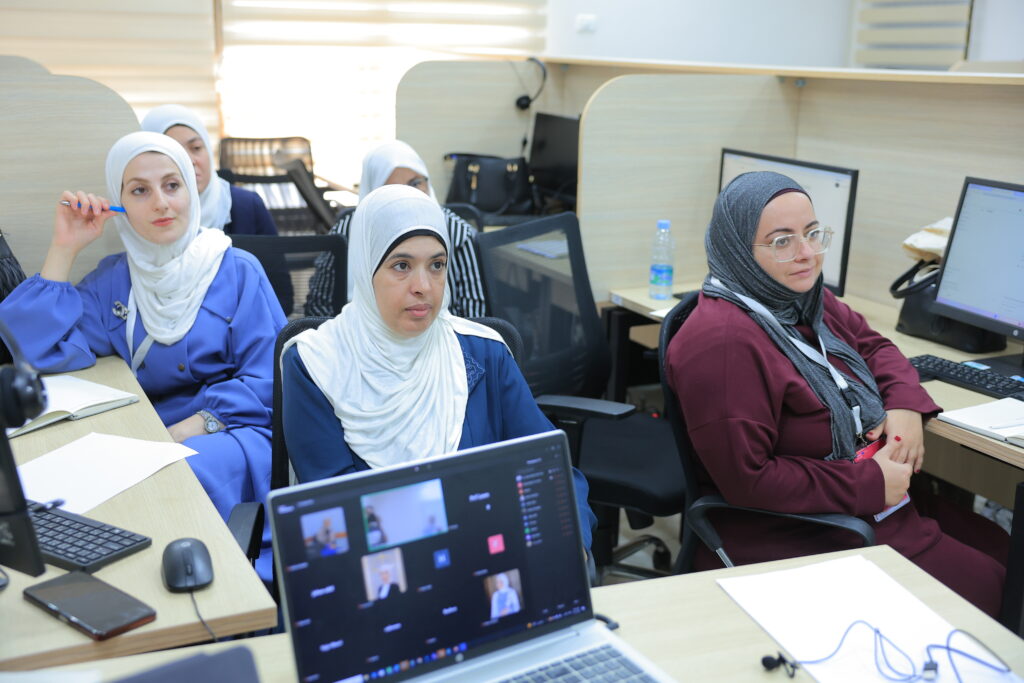
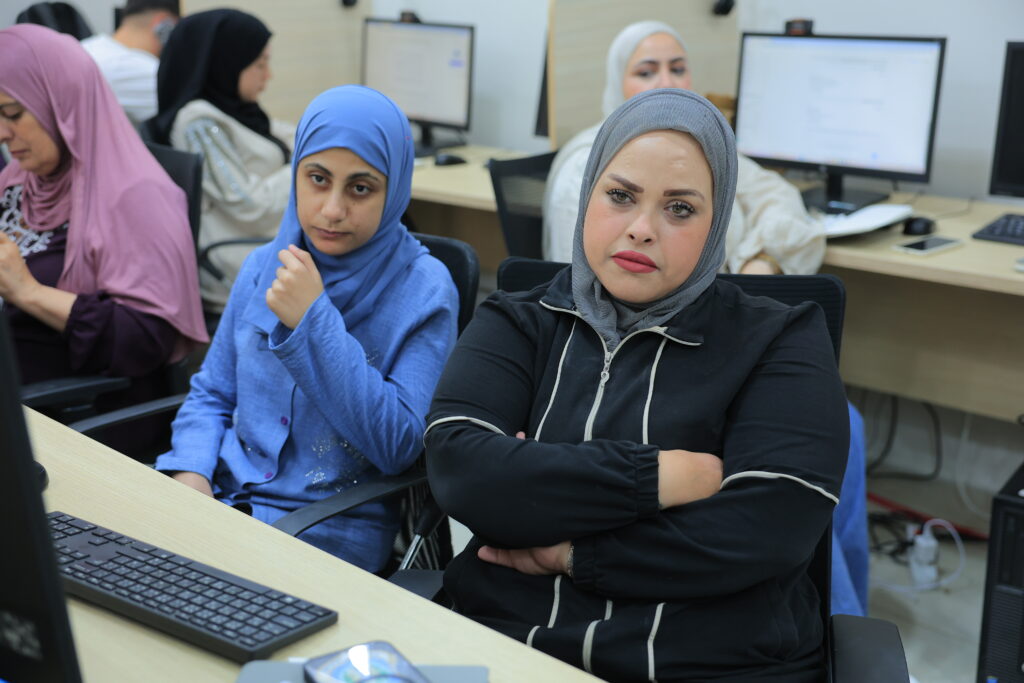
Young people in Palestine are strengthening their entrepreneurial ideas and digital skills through training sessions delivered under the EmpoweerNEET project.

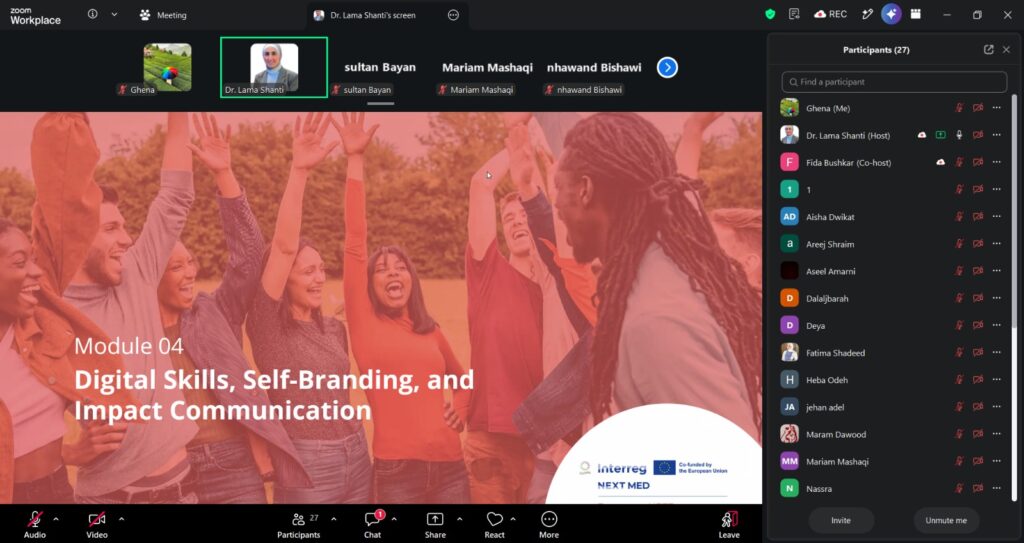
The training forms part of the project’s fourth training cycle in Palestine. It combines entrepreneurship, digital literacy, personal branding, professional communication, and online safety.

The sessions give participants practical skills to develop their ideas and prepare for employment and entrepreneurship.

Developing Ideas Through Entrepreneurship

Participants presented their backgrounds, skills, and project ideas during the training sessions. Their interests covered areas such as food production, environmental solutions, recycling, agriculture, digital marketing, photography, education, and social inclusion.

The discussions helped participants understand the difference between products and services. They also explored how to identify community needs and potential customers.

Participants discussed market research and feasibility studies. They also explored budgeting, teamwork, partnerships, and effective project presentation.

The training encouraged participants to strengthen their ideas through collaboration. It also helped them identify clear roles and responsibilities within group projects.

Using Digital Tools to Strengthen Projects

Digital tools formed an important part of the training. Participants explored Google Drive, Gmail, Google Slides, Google Meet, and Google Calendar.

They learned how to organise files, share documents, and collaborate online. They also discussed cloud storage and the importance of keeping reliable digital backups.

The sessions introduced digital tools that can support project management and communication. Participants also explored artificial intelligence as a tool for research, content creation, presentations, and project development.

The training encouraged participants to choose digital tools based on their needs. It also highlighted the importance of checking information and using technology with critical thinking.

Building a Professional Digital Presence

Personal branding was another key theme of the training. Participants explored how their online activity can shape their professional image.

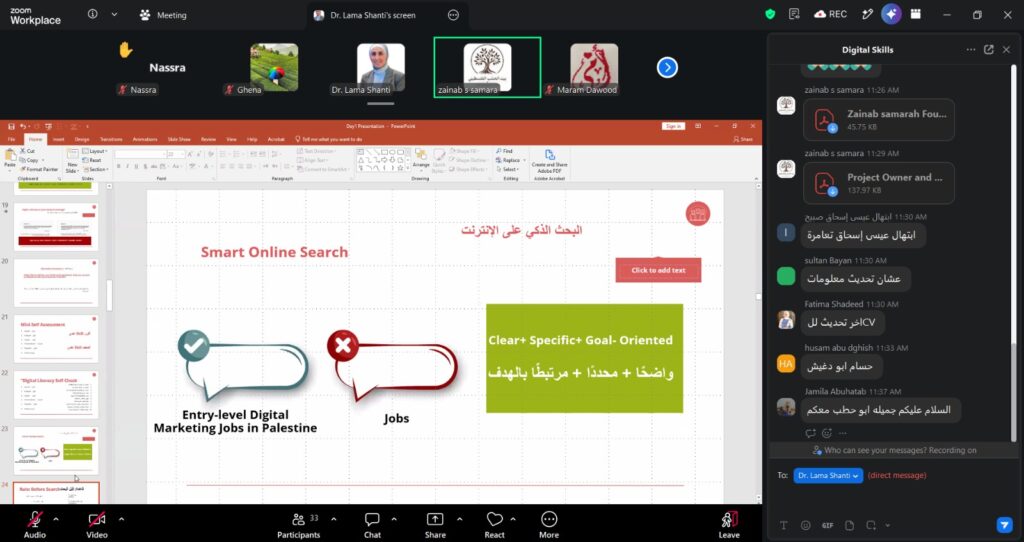
The sessions highlighted the value of authenticity and clear communication. Participants also discussed how to present their skills, experience, certificates, and projects.

Practical guidance focused on developing stronger CVs and professional profiles. Participants were encouraged to organise their certificates and create digital portfolios.

LinkedIn was also discussed as a platform for presenting professional experience and connecting with potential employers and partners.

Improving Digital Communication

The training addressed professional communication across digital platforms. Participants discussed email etiquette, appropriate tone, and clear written communication.

They also explored how to communicate with organisations and potential partners in a professional way. The sessions highlighted the importance of using reliable sources when searching for information and opportunities.

Participants discussed digital content creation and social media as tools for promoting projects. They also explored ways to use platforms such as Facebook and Instagram to reach wider audiences.

Strengthening Online Safety

Online safety was another important part of the training. Participants learned how to identify suspicious emails and potential phishing attempts.

The sessions highlighted common warning signs. These included urgent requests, unusual links, suspicious domains, and requests for sensitive information.

Participants also discussed password security and two-factor authentication. They were encouraged to protect their accounts and verify information through official channels.

The training also addressed the risks of sharing sensitive documents through informal communication channels. Participants discussed the importance of checking the source before sharing personal or professional information.

Managing Digital Footprints and Documents

Participants explored how their digital footprint can affect their professional reputation. They discussed ways to review their online presence and manage information about themselves.

The sessions also covered practical file management. Participants learned how to organise folders, scan certificates, name files, and store important documents securely.

Cloud storage can help participants access their documents when needed. It can also support better organisation and reduce the risk of losing important files.

From Digital Skills to New Opportunities

The training connected digital skills with entrepreneurship and employment. Participants explored how technology can help them develop, present, manage, and promote their projects.

They also gained practical guidance on professional communication and online safety. These skills can help participants engage more confidently with employers, customers, partners, and wider communities.

Through EmpoweerNEET, An-Najah National University continues to support young people in Palestine as they develop practical skills for employment and entrepreneurship.

The fourth training cycle shows how digital competence can complement entrepreneurial skills. Together, these skills can help young people turn ideas into stronger projects and new opportunities.

Gallery

Last Update

16/09/2026