DIGIWAVE was designed to open accessible and realistic pathways into the digital economy for women who face structural obstacles, whether related to geography, socio-economic context or limited access to tailored training opportunities.
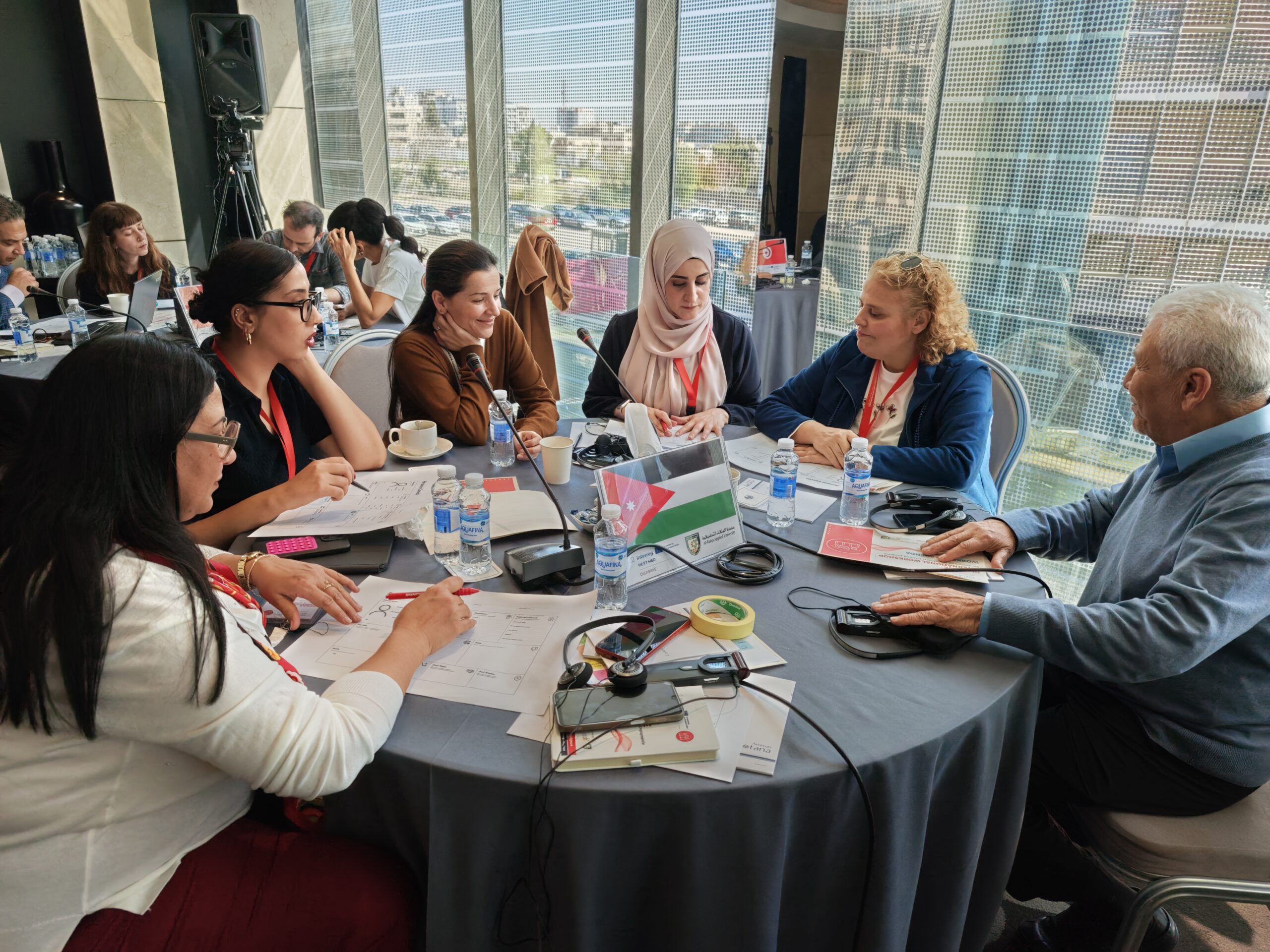
A key step in this journey was the collaborative work carried out with partners and experts during the recent International Workshop held in Jordan, where the training framework was validated and refined. The process included significant participation of women experts, reinforcing the principle that policies and training models aimed at women must be shaped with women’s leadership and expertise at the centre. This approach ensured that solutions were co-designed, grounded in real experiences and adaptable to diverse contexts.
Now, the project is transitioning from strategic design to implementation. The upcoming pilot phase will transform this jointly developed framework into concrete training pathways. The objective is not simply to provide digital skills, but to connect those skills to real entrepreneurship and income-generating opportunities, strengthening women’s economic autonomy.
International Women’s Day reminds us that digital transformation can either reproduce inequality or help reduce it. The outcome depends on whether initiatives address structural barriers directly and create inclusive entry points into emerging sectors.
By integrating cooperation across Mediterranean partners and focusing on tangible impact, DIGIWAVE seeks to contribute to narrowing the gender digital divide. The approach combines strategic planning, inclusive methodology and practical implementation.
Equality in the digital economy is not only a matter of representation; it is a matter of opportunity, resilience and shared prosperity. As preparations for the pilot programme advance, DIGIWAVE continues working to ensure that digital inclusion translates into real, sustainable change.
On this International Women’s Day, the commitment goes beyond awareness. It is about designing solutions with women, testing them in real conditions and building pathways that endure.
DIGIWAVE is led by a Mediterranean alliance of organizations with extensive experience in social innovation, training and international cooperation: Jovesólides (Spain), ActionAid Hellas (Greece),CAWTAR (Tunisia) and Al-Balqa Applied University (Jordan).
 Next Med