AMMAN, Jordan. Traditional training programs often fail to address the real barriers women face in the digital economy, not due to a lack of content, but because they are designed without the direct input of those they aim to serve.
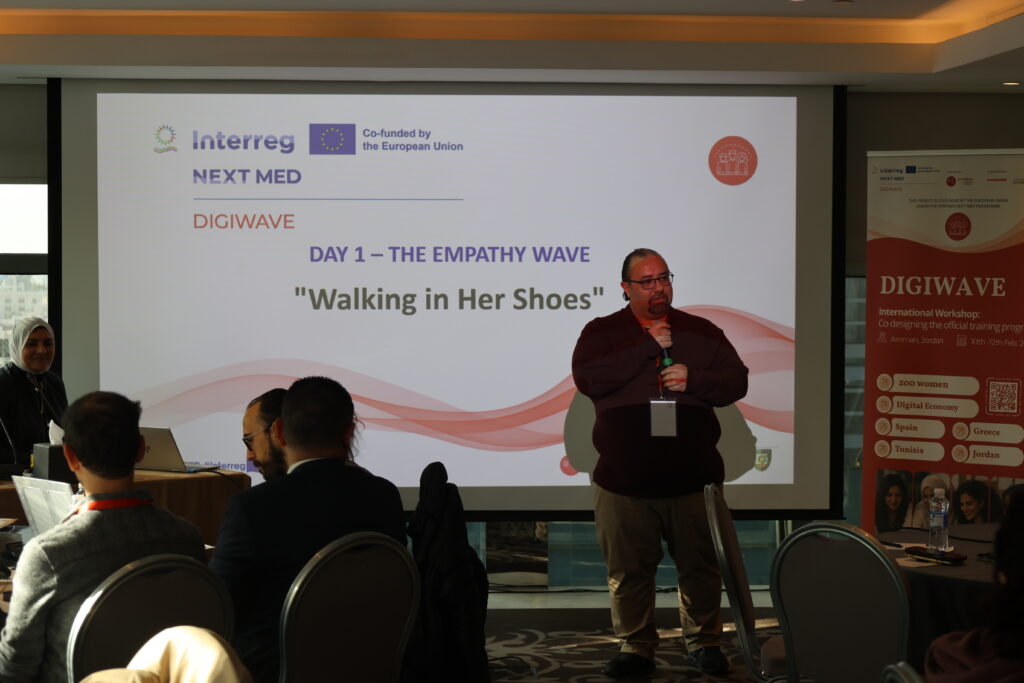
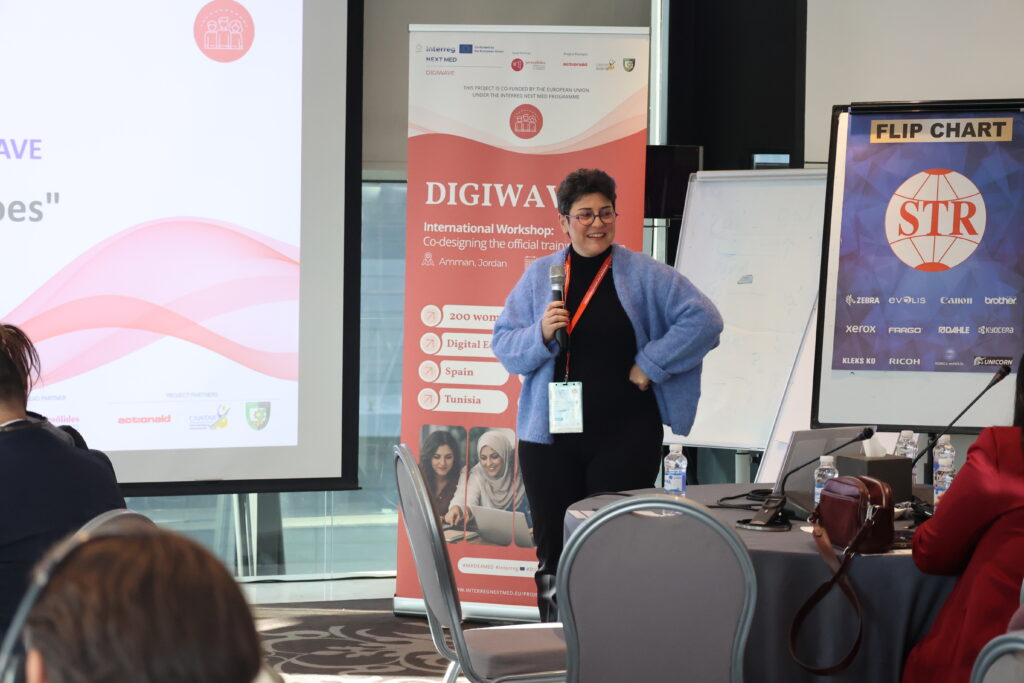
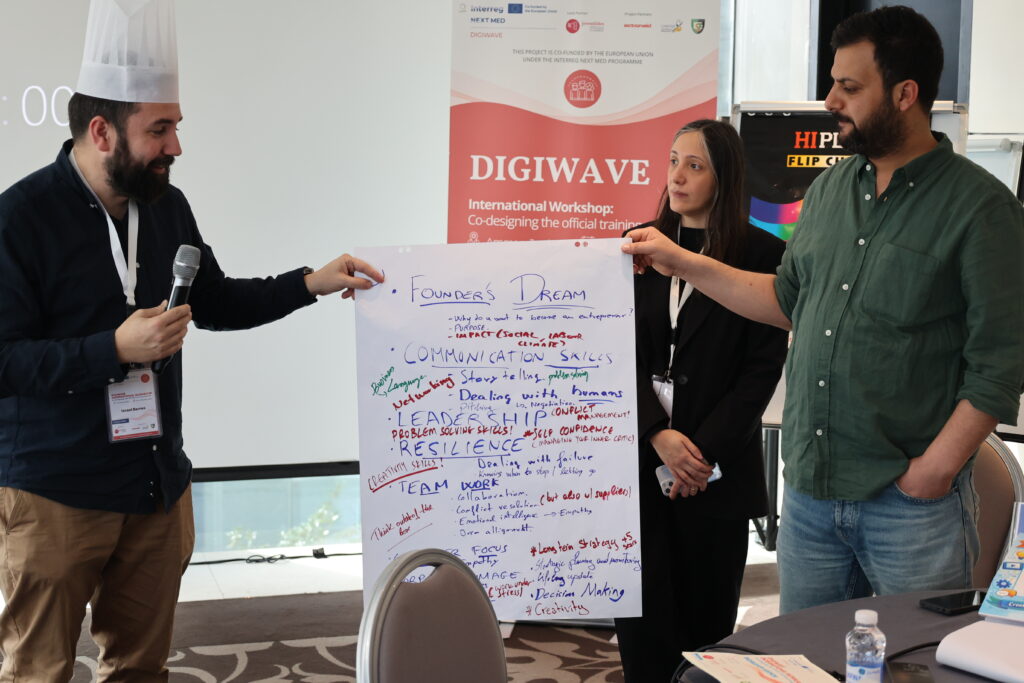
To reverse this reality, DIGIWAVE-Women Access Versatile Employment in Digital Economy has launched its international Co-Design Workshop in Amman. From February 10 to 12, 2026, the project brings together digital experts, partners, and women beneficiaries to collaboratively build a training model that is not theoretical, but grounded in the everyday realities of women who want to access digital jobs without leaving their communities.
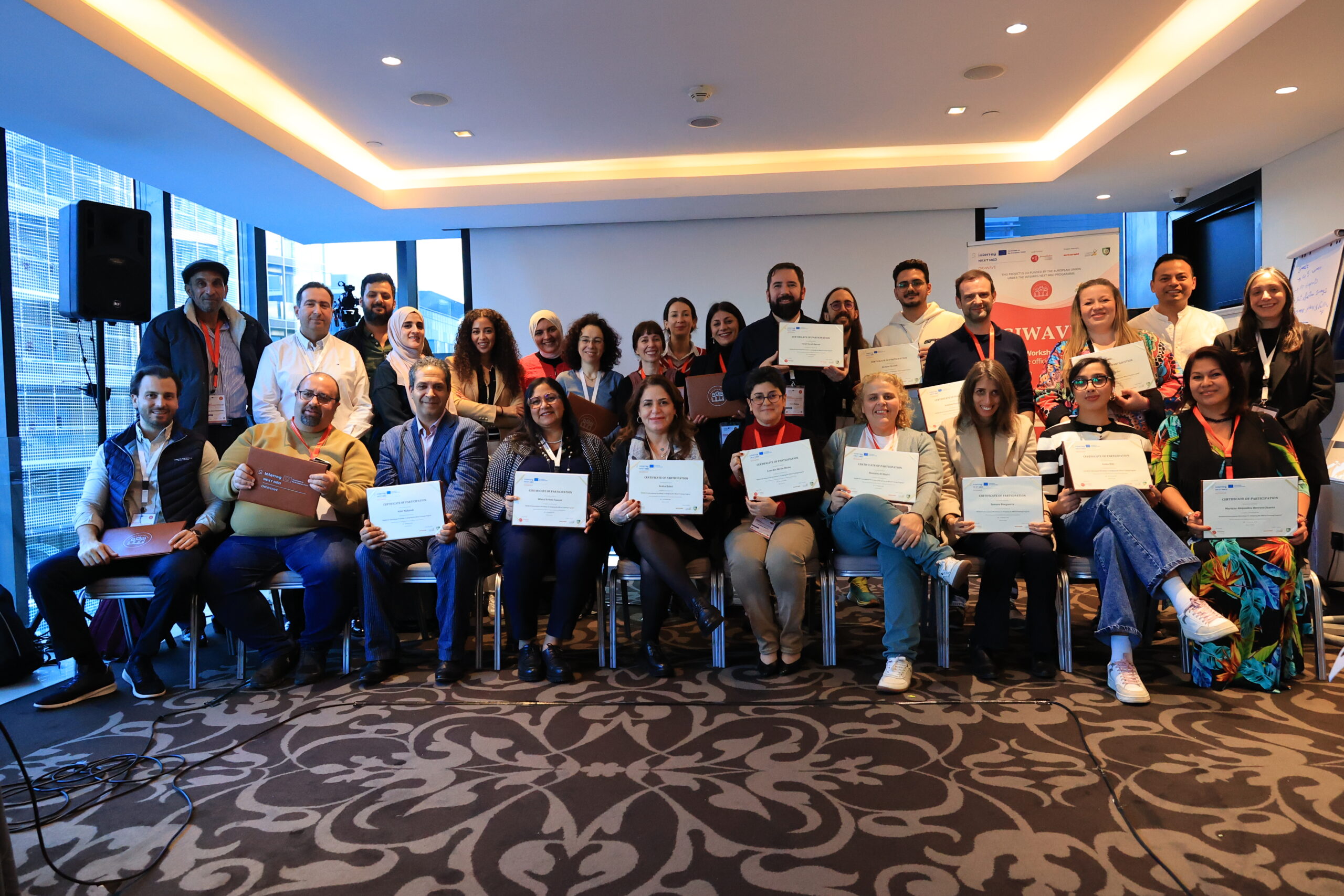
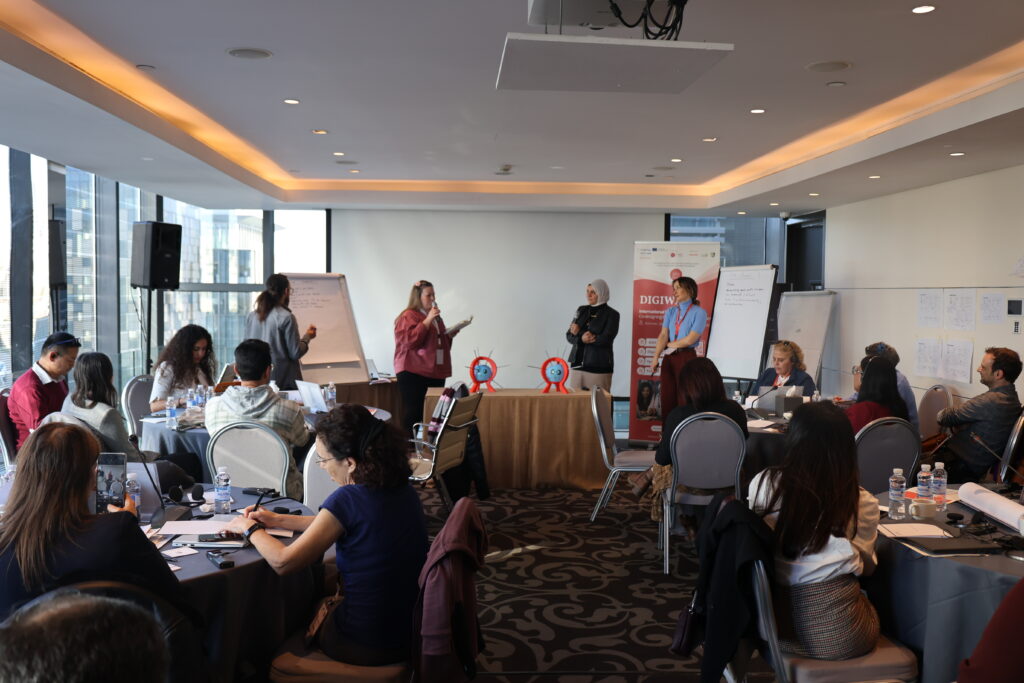
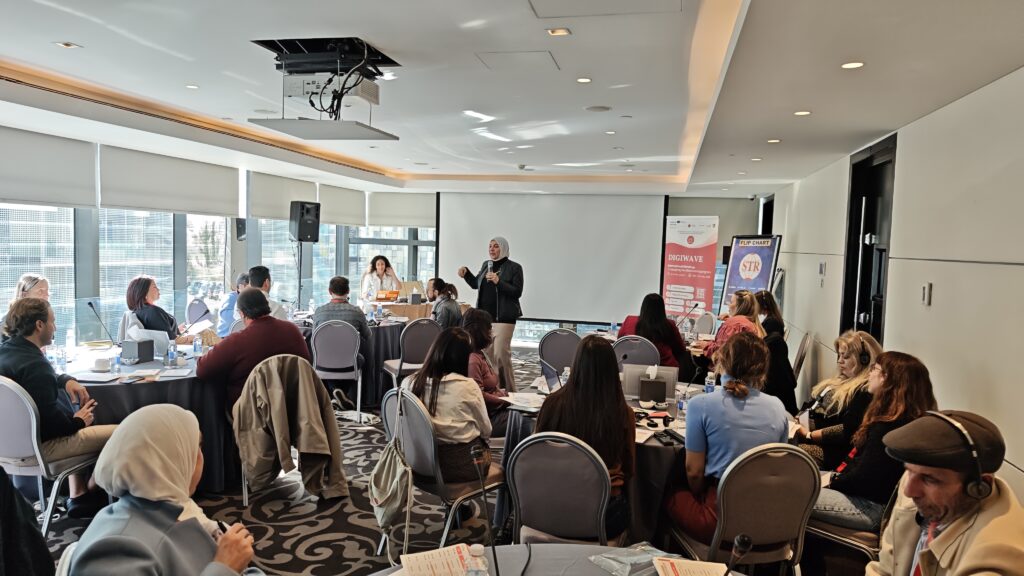
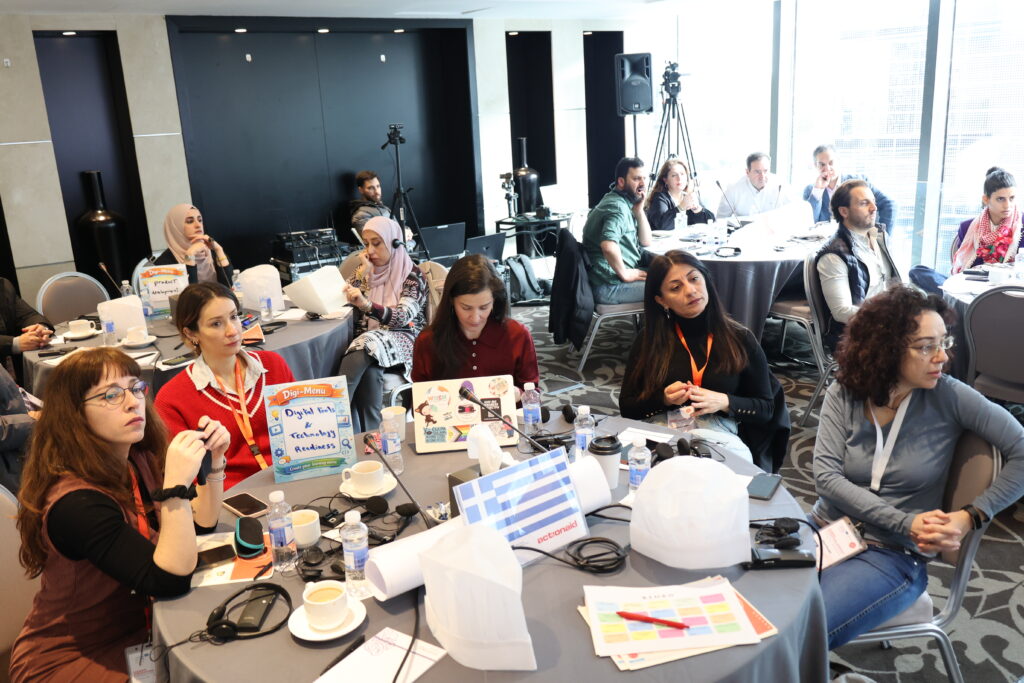
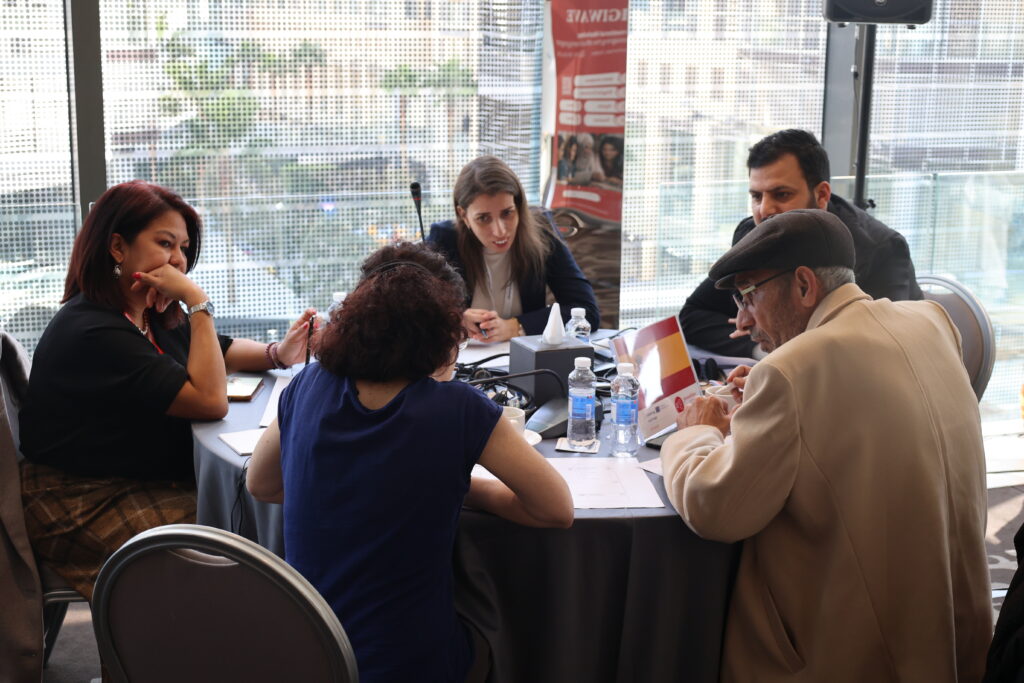
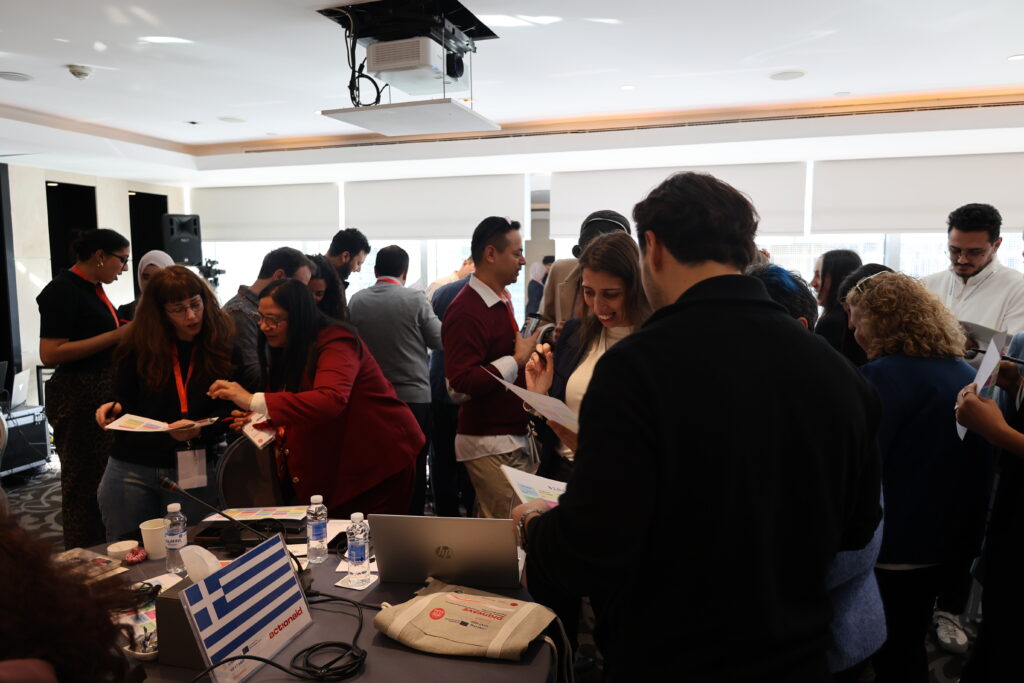
The workshop brought together more than 40 experts from across the Mediterranean, representing diverse professional backgrounds — from digital innovation and entrepreneurship to academia, training and social development — to jointly shape the foundations of the future training programme.
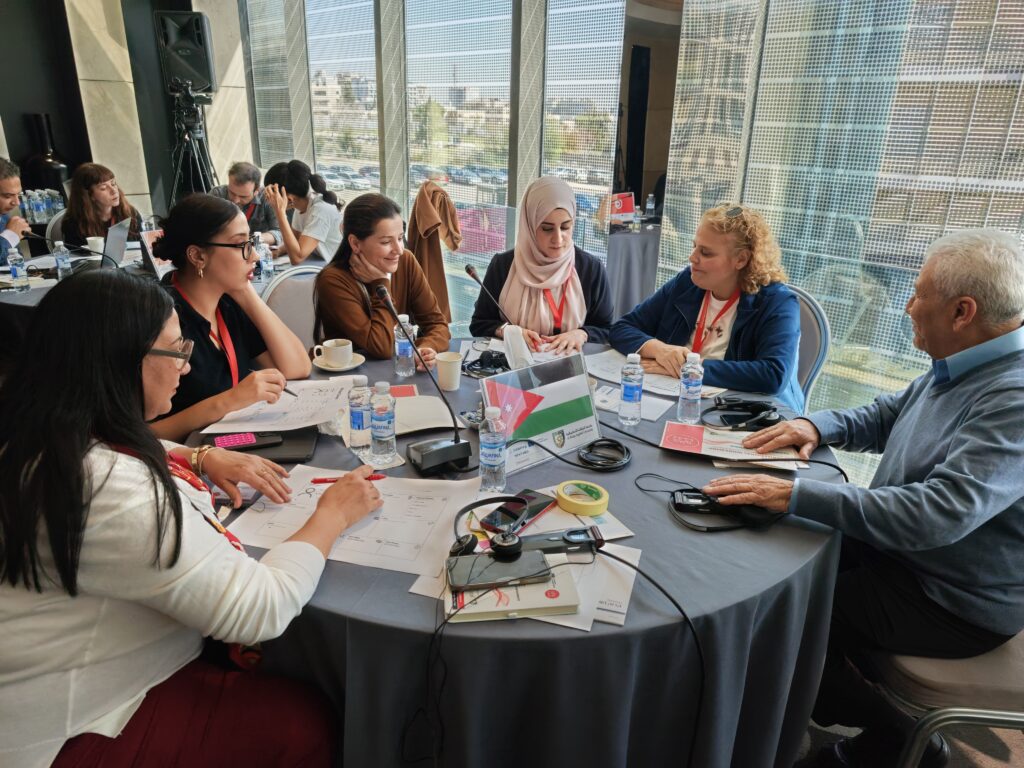
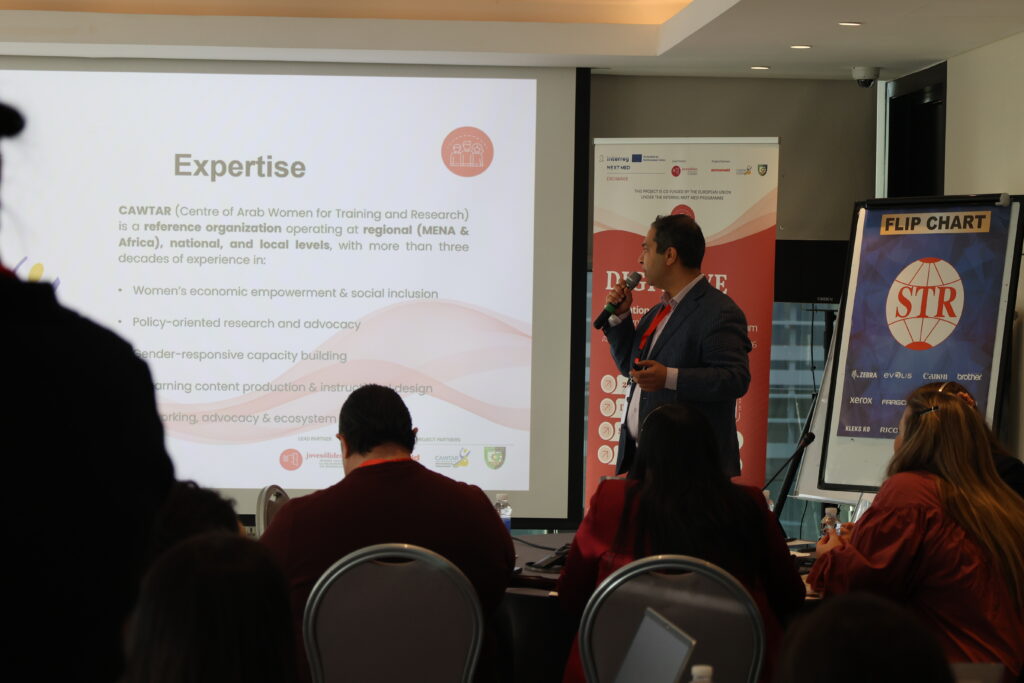
Hosted by Al-Balqa Applied University and led by CAWTAR (Center of Arab Women for Training and Research), this three-day event marks a critical milestone in the project’s mission. The workshop was built around participatory methodologies that brought out the best of the collective expertise gathered in Amman. From academic experience to social and digital innovation, participants worked collaboratively to define the modules of the programme, ensuring they respond to real needs and generate tangible opportunities.
Beyond the curriculum, the workshop seeks to generate a lasting structural impact through the signing of the “Amman Co-Design Statement”. This agreement secures a coordinated pilot phase, ensuring that the training is tested, improved and only then expanded to benefit 200 women in the Mediterranean.
“We are not just designing a course; we are creating new digital opportunities for women across the Mediterranean,” says Dr. Omar Suleiman Arabiat, representative of Al-Balqa Applied University and member of the DIGIWAVE partnership. “By listening to women first, we ensure that the technology we teach becomes a genuine tool for equity and leadership, rather than just another hurdle.”
The project is led by a Mediterranean alliance of organizations with extensive experience in social innovation, training and international cooperation: Jovesólides (Spain), ActionAid Hellas (Greece), CAWTAR (Tunisia) and Al-Balqa Applied University (Jordan).
Their joint work reinforces regional cohesion, facilitates knowledge exchange and translates local experience into a shared strategy for international impact.
 Next Med