American University of Beirut and MILenARI: Expanding access to CAR-T Cell Therapy

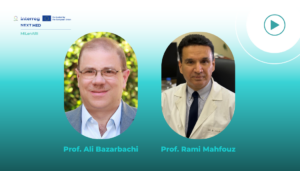
We speak with professors Ali Bazarbachi and Rami Mahfouz, of the American University of Beirut (AUB) about MILenARI and the university contribution to the project.

Publication Date
12/08/2026
Reading Time
2 minutes

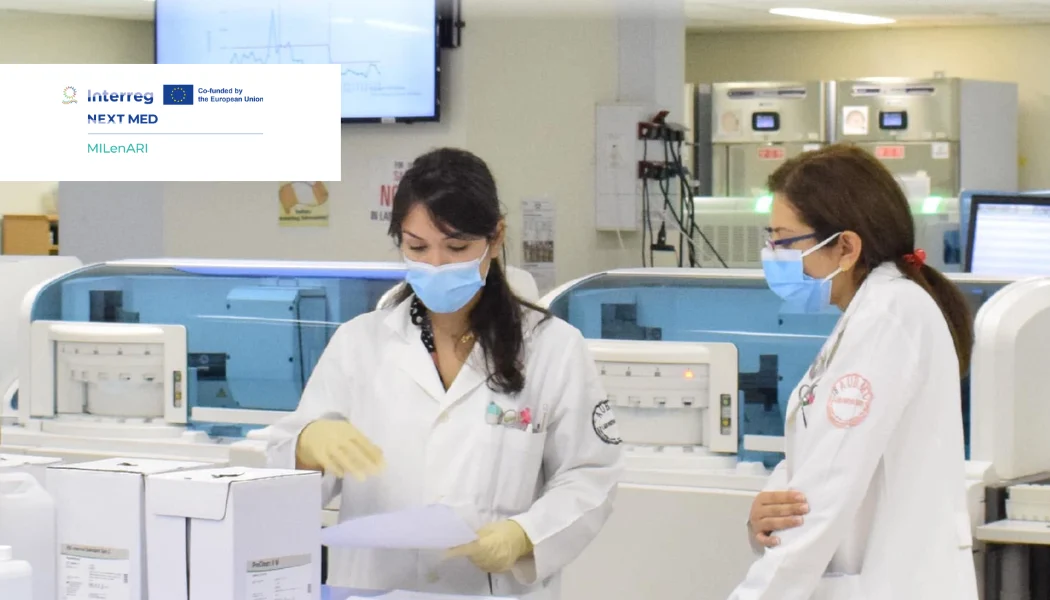
The American University of Beirut (AUB) contributes to the MILenARI project through its expertise in hematology, oncology, molecular diagnostics, and bone marrow transplantation. Through its clinical, research, and diagnostic capacities, AUB supports the project’s goal of making advanced CAR-T cell therapies more accessible across the Mediterranean region. 

As the project impulses knowledge exchange and the development of sustainable healthcare innovation networks, we talk about it with two of their main investigators, Ali Bazarbachi, Professor of Medicine, Hematology and Oncology, and Director of the Bone Marrow Transplantation Program at the AUB; and Rami Mahfouz, Professor of Molecular Pathology and Head of Molecular Diagnostics at the AUB. 

What does the 2025 NEXT MED Award mean for the MiLenARI project? 

Prof. Ali Bazarbachi: Our team was honored to receive the funding to be part of MiLenARI, a European project to democratize access to CAR-T cell therapy in the Mediterranean. 

Prof. Rami Mahfouz: This award supports our progress and strengthens our ability to scale the impact. AUB’s commitment to research excellence is what makes opportunities like Interreg NEXT MED meaningful. The university continues to be a hub where new ideas grow into real change. 

What is the main objective of the MiLenARI project? 

Prof. Ali Bazarbachi: This project focuses on making state-of-the-art CAR-T cell therapy accessible to more patients in the Mediterranean basin, an issue that is quite important for our communities here in Lebanon and across the region. 

How will MiLenARI benefit patients and healthcare systems across the region? 

Prof. Rami Mahfouz: Our work aims to democratize access to advanced therapies, reduce differences between countries, and improve the quality of life of cancer patients.

Watch here the full interview on video.

Last Update

12/08/2026