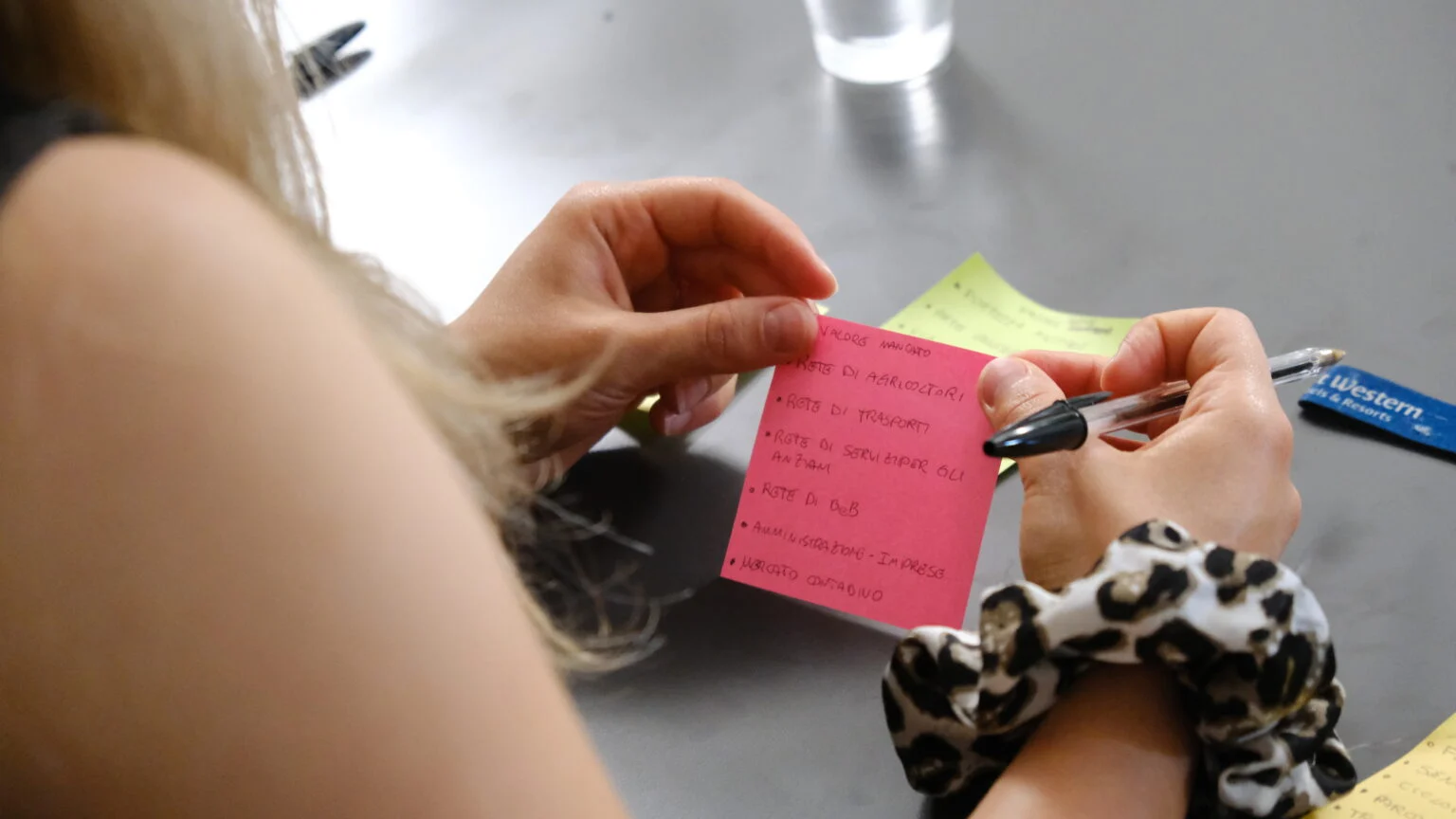
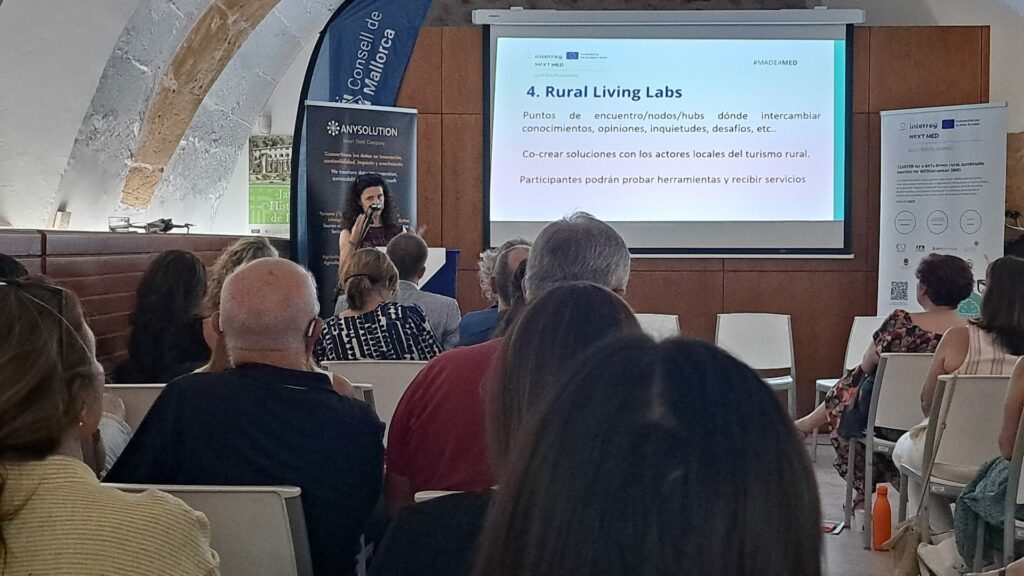
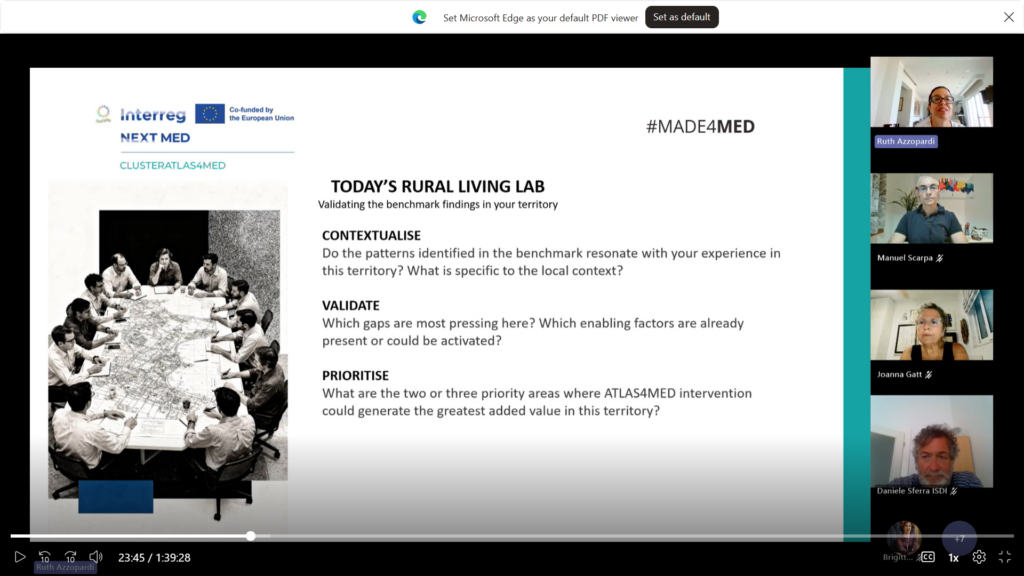
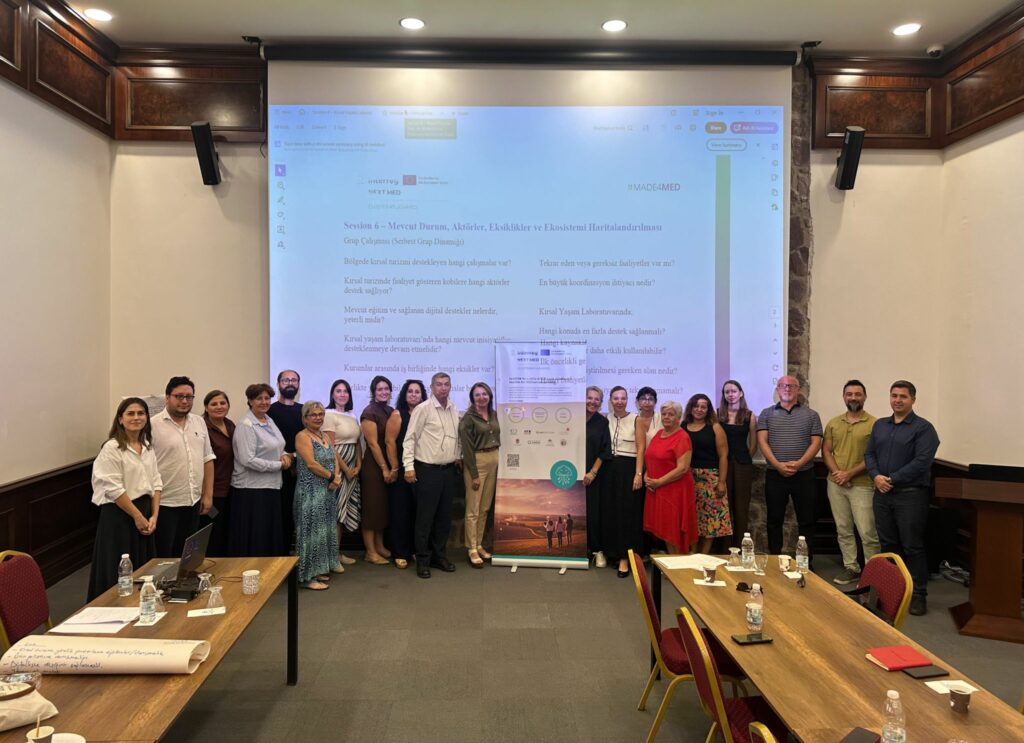
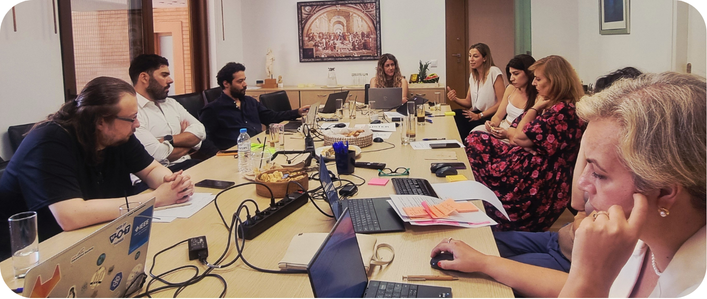
In all partner countries (Italy, Spain, Greece, Malta, Egypt, Tunisia, Türkiye), the Quadruple Helix (businesses, public institutions, research and civil society), has come together to better understand the main challenges facing rural tourism and identify possible solutions.
Although each partner started from a different local context, many common needs have emerged.
Common challenges emerged
One of the main challenges is digital transformation. Across several territories, small businesses need to strengthen their skills to make better use of digital tools, data, marketing, and online promotion and sales channels. At the same time, the RLL showed that training alone is not enough: businesses also need practical guidance and ongoing support to turn new skills into concrete actions.
A second shared challenge is making better use of the resources that already exist. Agriculture, local products, crafts, cultural and natural heritage, traditions, and community knowledge represent a significant asset, but they are often fragmented or not sufficiently visible. In Egypt, Malta, Spain, Tunisia and Türkiye, the Living Labs highlighted the opportunity to connect these resources and turn them into more recognisable, accessible tourism experiences capable of reaching new markets.
Achieving this also requires stronger connections between local actors. In many countries, initiatives, expertise and support programmes already exist, but businesses, institutions, universities, associations and communities do not always work in a coordinated way. The RLL are therefore also becoming spaces for connection: creating opportunities for dialogue, improving the flow of information and encouraging cooperation among actors who can contribute, with different skills and perspectives, to the development of rural tourism.
Sustainability is another common element. Discussions among the partners, particularly in Spain and Türkiye, highlighted that tourism growth must go hand in hand with the protection of landscapes, agricultural activities, heritage and local identity. Rural tourism can help keep communities vibrant and strengthen local economies, but it must grow without undermining the resources on which it depends.
Together, these experiences point towards an increasingly integrated vision: digitalisation should support businesses, the valorisation of local resources should create new opportunities, cooperation should connect skills and initiatives, and sustainability should guide development in the long term.
This connection between experiences is where CLUSTERATLAS4MED creates its added value. The evidence gathered through the Rural Living Labs will contribute to the development of the future Meta-Cluster, its services, training activities, digital tools and cooperation mechanisms. A solution tested in one country can become an opportunity for others, turning the diversity of Mediterranean territories into a shared resource for innovation.
The journey is still taking shape, but a common direction is already clear: a more connected, digitally prepared and sustainable Mediterranean rural tourism sector, capable of turning local resources into lasting opportunities for businesses, communities and territories.
 Next Med