Small accommodation businesses, climate resilience and inclusion take centre stage
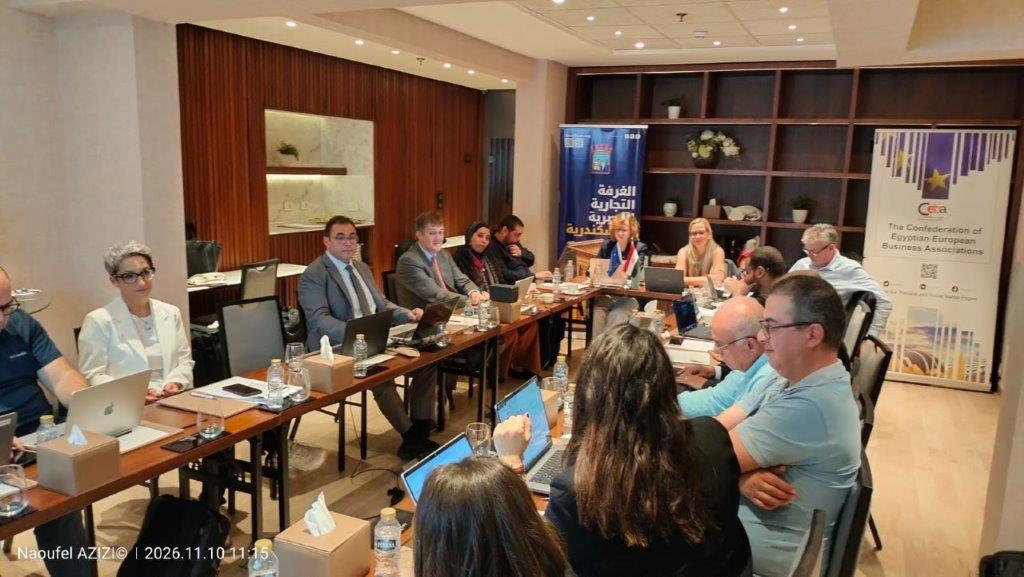
The sustainable transition of small and medium-sized tourism accommodation businesses took centre stage at the SMAC project meeting, held on 10–11 November 2026 in Cairo, hosted and organised by CEEBA. The project is implemented under the Interreg NEXT MED Programme, with the Drama Chamber of Commerce and Industry as Lead Partner.
The two-day meeting brought together project partners, associated partners and hospitality sector representatives to exchange experiences and adapt SMAC’s tools to businesses’ practical needs.
Particular attention was given to the development of the SSMA model and the AIRET tool. Through a co-design workshop, participants examined their usability, accessibility and practical value for small and medium-sized accommodation businesses. Discussions focused on implementation barriers, incentives for participation and the support businesses will need ahead of pilot testing.
Partners also reviewed implementation progress, communication and awareness-raising activities, and opportunities to take up and disseminate the project’s results across participating territories and the wider Mediterranean.
A highlight of the programme was the thematic discussion “Growing Fast, Growing Green? Egypt’s Tourism Boom and the Small Hotel”, featuring Dr. GhadaDhalab, Former Vice Minister for Tourism, and Mr. Karim el Menabawy, President of Edge Destination Management. Their contributions highlighted the challenges that rapid tourism growth creates for small businesses, alongside the opportunities offered by sustainability and inclusion.
Dr. GhadaDhalab noted that, according to the figures she presented, small hotels and guesthouses account for 55% of accommodation businesses in Egypt, yet are among those most affected by climate change and have limited resilience. She also highlighted the absence of clear certification criteria for Eco-lodges, stating:
“Small hotels and guesthouses account for 55% of accommodation businesses in Egypt, yet they are particularly vulnerable to the impacts of climate change. They need support to strengthen their resilience. At the same time, clear certification criteria for eco-lodges can add meaningful value to the integration of environmental, social and governance — ESG — principles into their design and operation.”
Mr. Karim el Menabawyemphasised the importance of certification in Diversity, Equity, Inclusion and Belonging — DEIB, linking it to the changing expectations of younger travellers:
“Young travellers are increasingly well-informed and take sustainability standards into account when planning their trips. DEIB certification is becoming a necessity for tourism businesses. A straightforward certification process can make a substantial difference to a hotel’s operations and, ultimately, its overall performance.”
The contributions of both guest speakers reinforced the need for sustainability tools that are understandable, practical and accessible to smaller businesses. The connection between environmental resilience and social inclusion emerged as a key factor in the competitiveness and long-term sustainability of Mediterranean tourism.
The Drama Chamber was represented at the meeting in Cairo by the consultant Io Chatzivaryti and the Director of the Chamber Tania Sikotidou.
The Cairo meeting marked another step in the SMAC partnership’s work to co-design practical solutions that support accommodation businesses in their transition towards more sustainable, inclusive and resilient operations.
 Next Med