What can we learn from hundreds of rural tourism stakeholders across the Mediterranean? And how can we turn their ideas and needs into concrete opportunities for businesses and local communities?
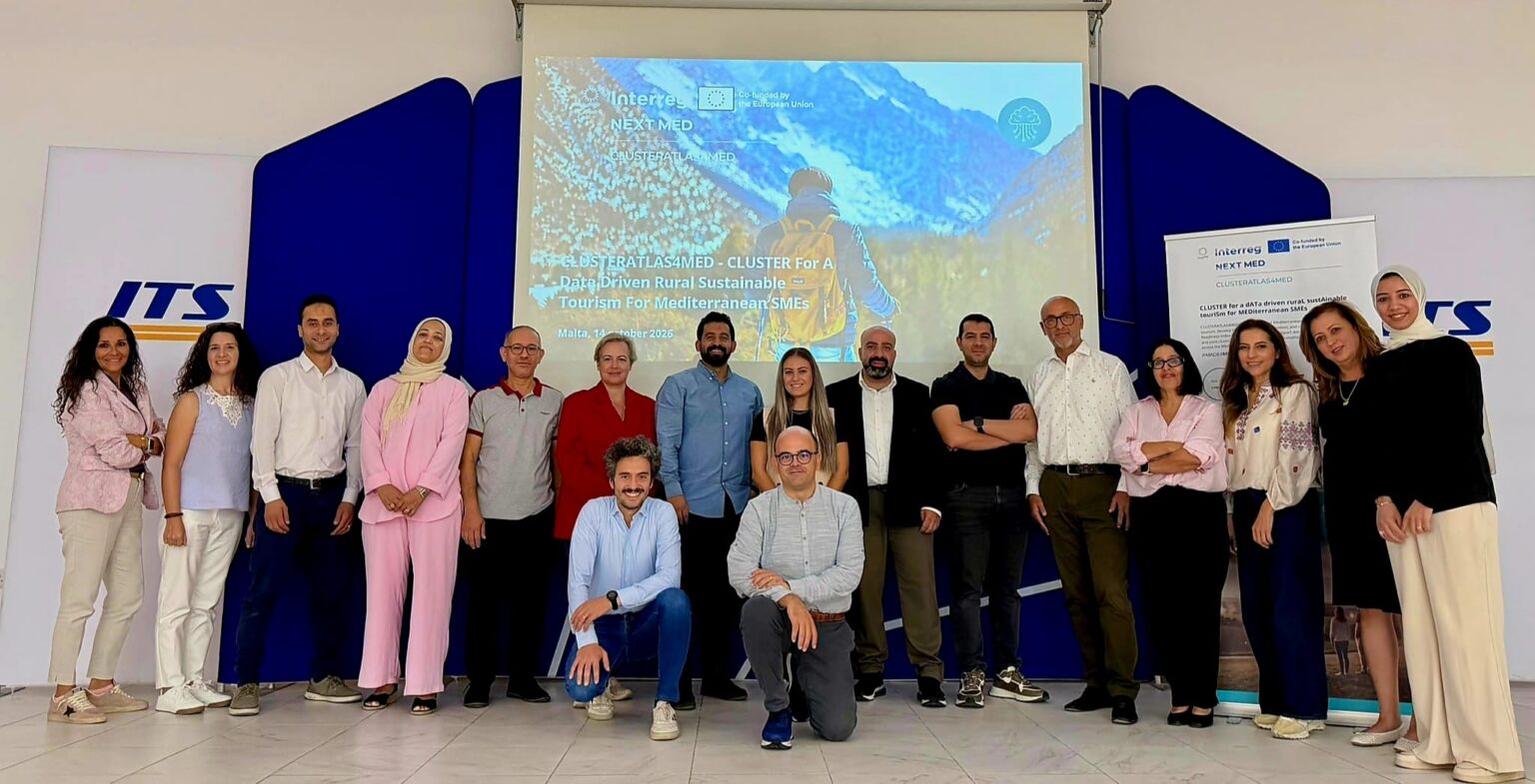
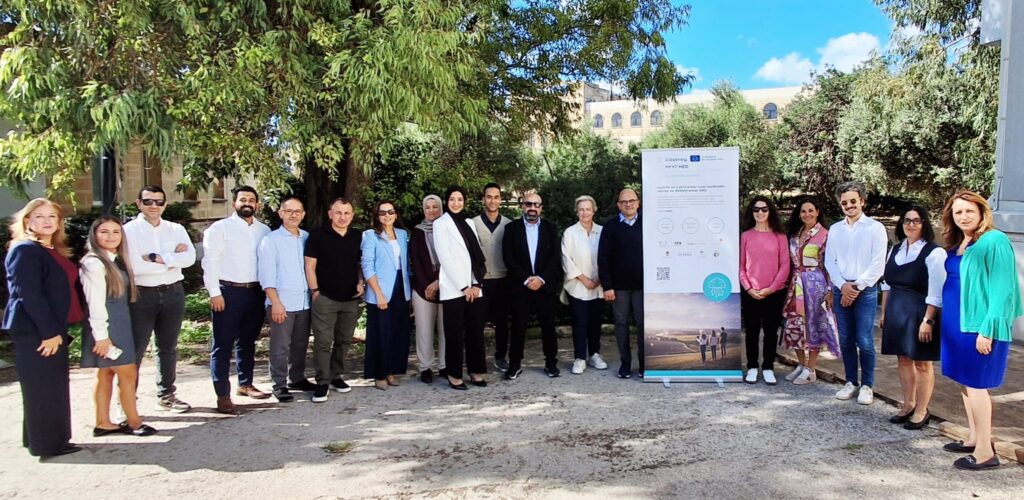
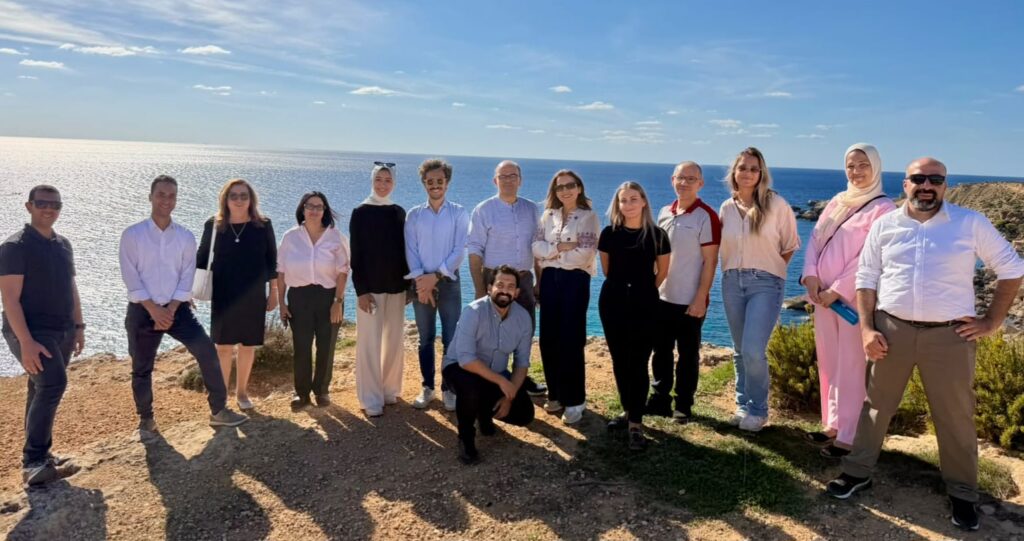
These were the key questions at the heart of the third CLUSTERATLAS4MED project meeting, held on 14–15 October 2026 and hosted by the Institute of Tourism Studies (ITS) in Malta.
Over two days of exchanges and collaborative work, the eight project partners brought together the findings of the Rural Living Labs (RLLs) organised across the seven participating countries: Italy, Malta, Spain, Greece, Egypt, Tunisia and Türkiye.
The RLLs have provided valuable opportunities to engage directly with hundreds of stakeholders, including rural tourism SMEs, public authorities, research and education organisations, civil society representatives and local communities. While activities are still ongoing in some territories, the experiences collected so far have already highlighted several common challenges and opportunities.
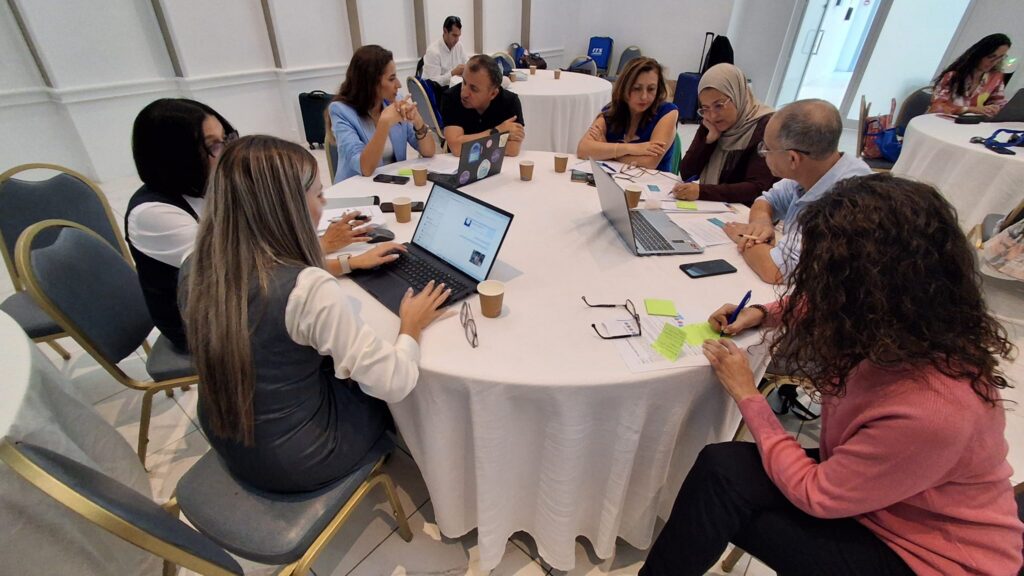
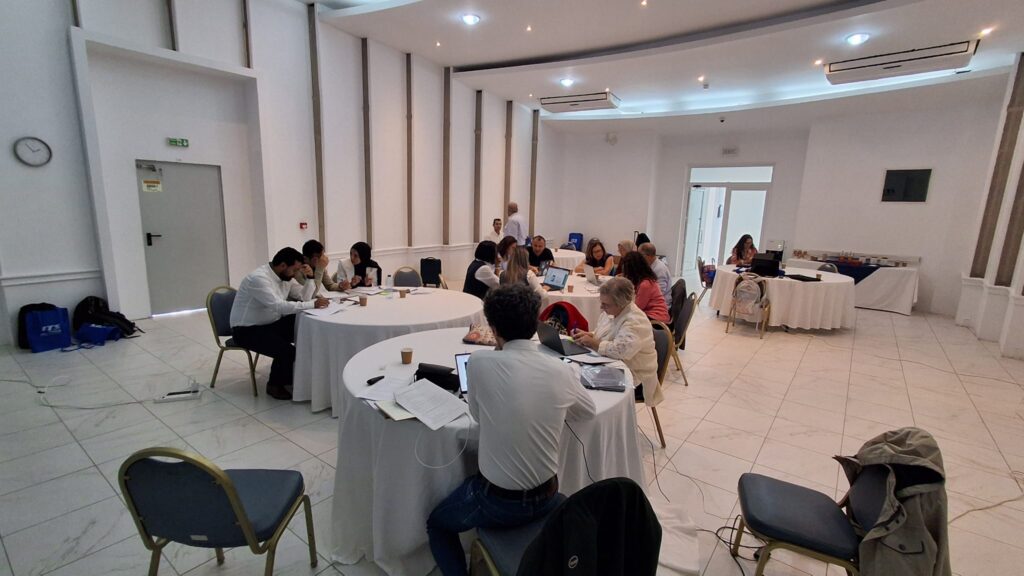
A central part of the Malta meeting was dedicated to an interactive workshop designed to turn these local findings into a shared strategic vision.
Partners worked together to identify recurring challenges, discuss possible responses and agree on the main priorities that should guide the development of the future CLUSTERATLAS4MED Meta-Cluster.
Seven strategic priorities emerged from this collective work, addressingthe need to ensure that tourism development:
- benefits local communities
- provides more targeted training for rural tourism SMEs
- improves connection and visibility
- strengthens territorial storytelling
- facilitates access to funding opportunities
- promotes cooperation among rural tourism actors and;
- gives SMEs a stronger voice in policy dialogue
These priorities are closely connected and share a common objective: helping rural tourism businesses and their territories become more competitive, sustainable and better connected across the Mediterranean.
The partners also explored how these priorities could translate into practical functions for the future Meta-Cluster and its local spokes. The emerging approach combines shared services and cooperation at Mediterranean level with direct support adapted to local needs.
The Meta-Cluster could help develop common methodologies and tools, facilitate international networking, share good practices and support cooperation across borders. Local spokes would play a complementary role, working directly with rural tourism SMEs and other territorial stakeholders, providing practical assistance and strengthening local cooperation.
Digital innovation and the strategic use of data remain central to this vision. From better information sharing and digital communication to funding opportunities, networking tools and informed decision-making, the aim is to help rural tourism actors make more effective use of knowledge and technology.
The results of Malta will now contribute to the next steps of CLUSTERATLAS4MED, including the development of the Cluster Strategy, the definition of its support services and the preparation of upcoming capacity-building activities. Thanks to the commitment of the entire partnership, CLUSTERATLAS4MED continues to strengthen cooperation across the Mediterranean, working towardural tourism ecosystem where local knowledge, innovation and collaboration can create new opportunities for SMEs and communities.
 Next Med