HEEFTA: Connecting Alternative Water Resources with Future Training Needs in Murcia, Spain
HEEFTA participated in a regional Living Lab in Murcia addressing technical, economic and social barriers to sustainable water management and the need to anticipate future professional training needs.
Publication Date 01/10/2026
Reading Time 2minutes
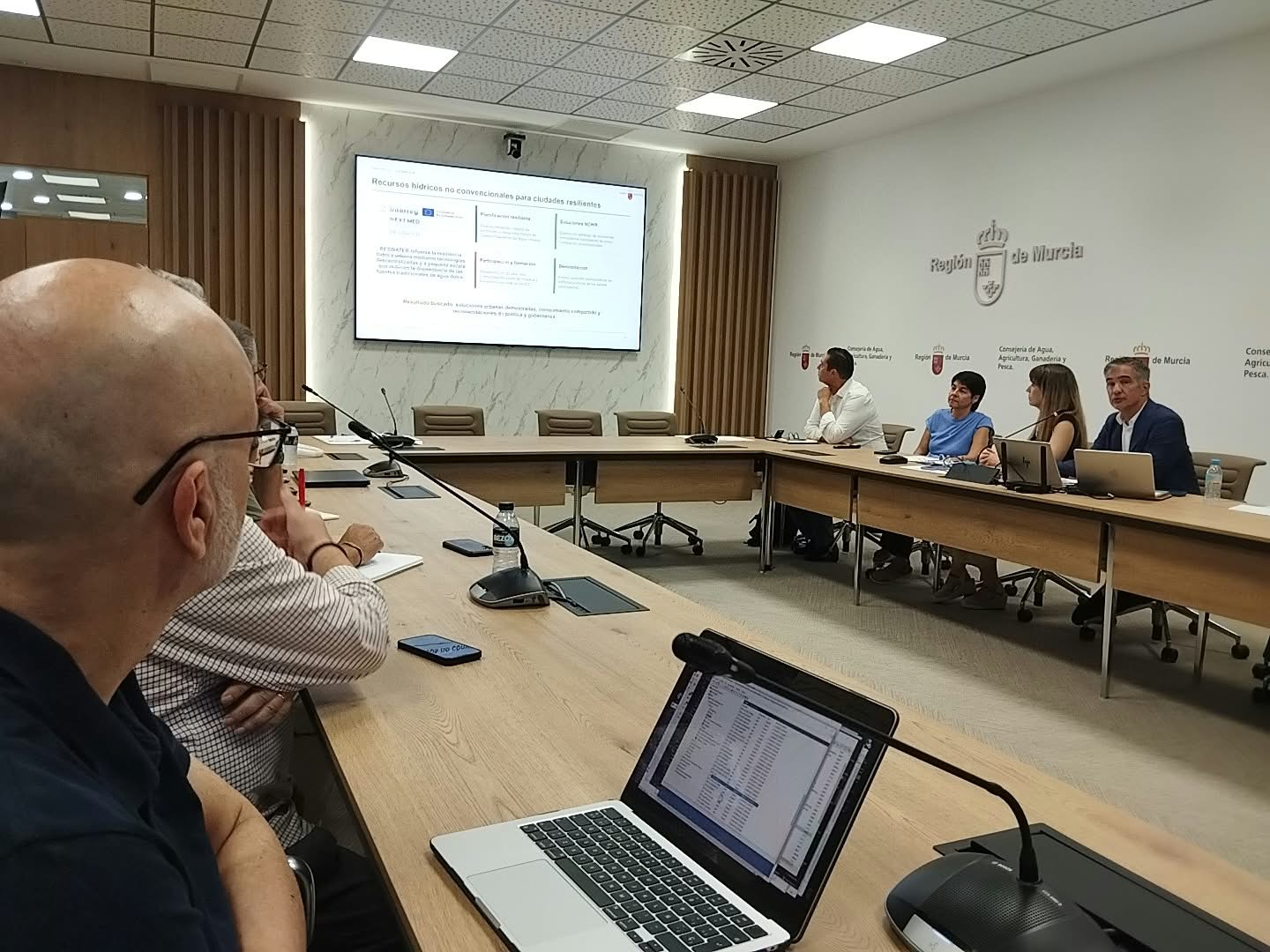
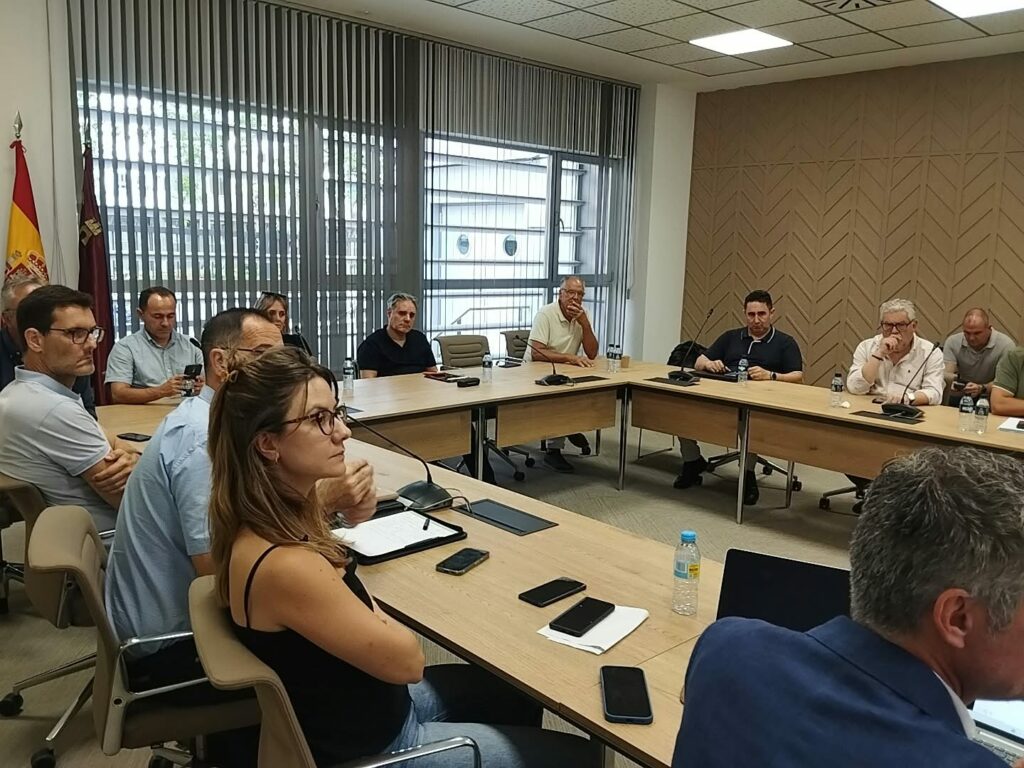
On 29 September 2026, HEEFTA participated in the second regional Living Lab of the European RESWATER and Gov4Water projects, organised by the Regional Directorate-General for Water of the Region of Murcia in Murcia, Spain.
The event brought together representatives from public administrations, water cycle operators, universities, research centres, companies and other relevant organisations to discuss current and future challenges in water management. The session provided an opportunity to exchange different perspectives and identify the technical, economic and social barriers that may hinder the introduction of new solutions and non-conventional water resources.
Exploring alternative water sources
One of the main topics discussed was the need to explore alternative water sources to help address the structural water deficit affecting water-scarce territories.
Among the solutions considered were rainwater harvesting and the recovery and reuse of condensate water from air-conditioning systems, together with other non-conventional water resources that could contribute to more efficient, circular and climate-resilient urban water management.
The discussions also highlighted that technological solutions alone are not enough. Their implementation depends on overcoming economic and social barriers, creating appropriate planning and governance frameworks, and ensuring that professionals have the knowledge and skills required to put these solutions into practice.
Anticipating future training needs
This last point is particularly relevant to HEEFTA – Holistic Environmental Education: From Training to Action.
Changes in water management and the introduction of new technologies will also change the skills required by professionals working in the sector. It is therefore important to identify and plan training needs in advance, rather than waiting until new solutions are already being implemented.
Participation in initiatives such as this Living Lab helps HEEFTA better understand the challenges faced by professionals and organisations working directly in environmental and water management. These real-world needs can contribute to connecting education and training with the knowledge and practical skills that future professionals will require.
Connecting education with real environmental challenges
Living Labs provide valuable spaces for dialogue between public authorities, businesses, researchers, educators and other stakeholders. They make it possible not only to identify barriers and potential solutions, but also to anticipate how environmental changes and technological developments may affect future skills and training requirements.
For HEEFTA, participating in these exchanges contributes to its broader objective of bringing environmental education closer to real Mediterranean challenges and preparing future professionals to respond to them.
Water scarcity, climate change and the transition towards more sustainable use of natural resources require both innovative solutions and people with the right skills to implement them. Planning those skills today is an important step towards improving the environmental management of tomorrow.
The Interreg NEXT MED website uses technical, analytics and third-party cookies. By continuing to browse, you accept the use of cookies. Privacy Policy
 Next Med