Protecting those who protect us: SIMMER at Working on Safety 2026
SIMMER brought wildfire responder safety to Working on Safety 2026 in Limassol, Cyprus. A presentation, poster and workshop examined prevention, training, coordination and practical technology.
Publication Date 23/09/2026
Reading Time 2minutes
The safety of people working during a wildfire does not begin at the fire front. It is built much earlier through prevention, training, clear roles and coordination. It also depends on technology that continues to work under real operational pressure.
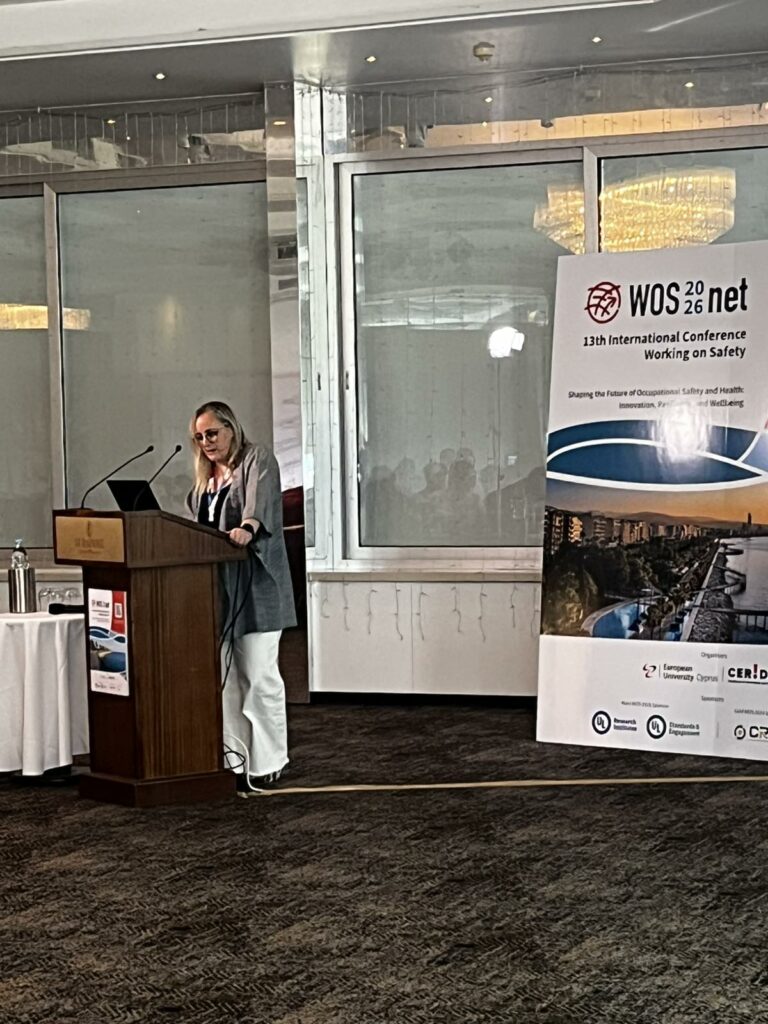
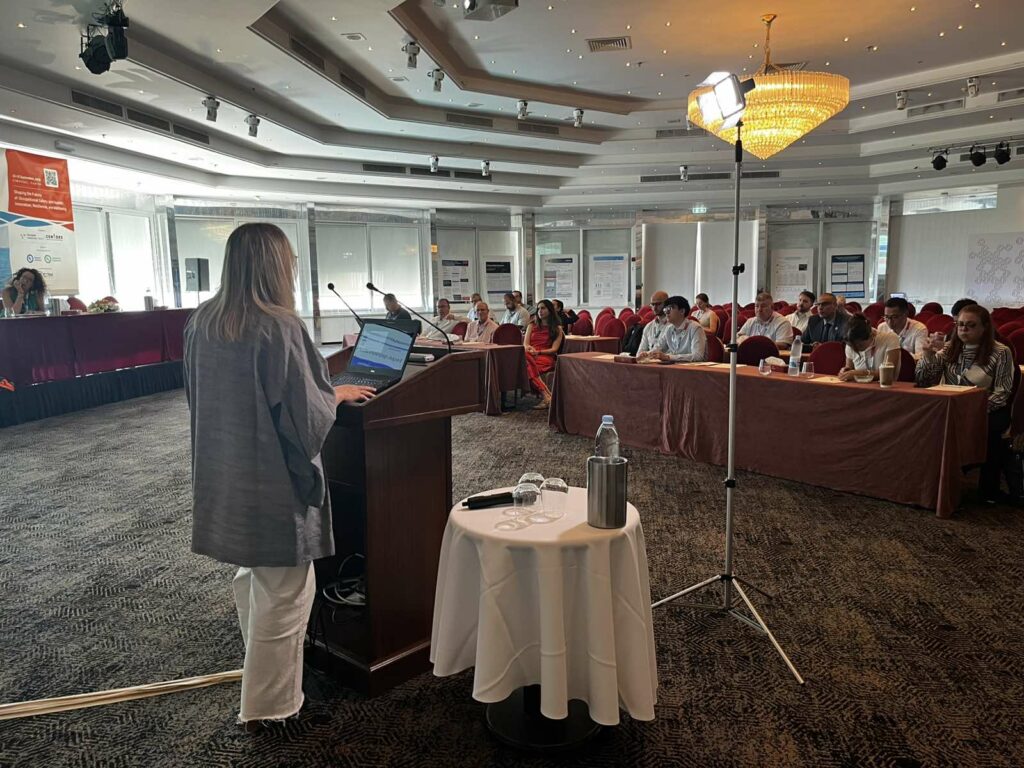
SIMMER brought this message to the 13th International Conference Working on Safety in Limassol on 17 September 2026. The project contributed a scientific presentation, a conference poster and a dedicated workshop on occupational safety and health.
Responder safety begins before the emergency
Wildfire responder safety involves far more than protective clothing and equipment. Land management shapes the conditions that responders will later face. In addition, institutional readiness affects whether services can act quickly and safely.
Access to trusted information also matters. However, information must reach the right people at the right time. Responders must then be able to understand it and turn it into safe decisions.
For this reason, prevention and preparedness are also forms of worker protection. They can reduce exposure before a responder enters a dangerous environment.
Training must reflect real operational conditions
During the SIMMER workshop, participants examined the needs of responders and the tools already available to them. They considered whether people can access and understand critical information under pressure.
The discussion also addressed communication between different services. For example, unclear roles can delay decisions during a fast-moving wildfire. As a result, responders may face risks that stronger preparation could have reduced.
Participants also considered whether people recognise when conditions exceed their training or operational role. This awareness is essential because safe decisions sometimes require teams to withdraw, regroup or request additional support.
Technology must support human judgement
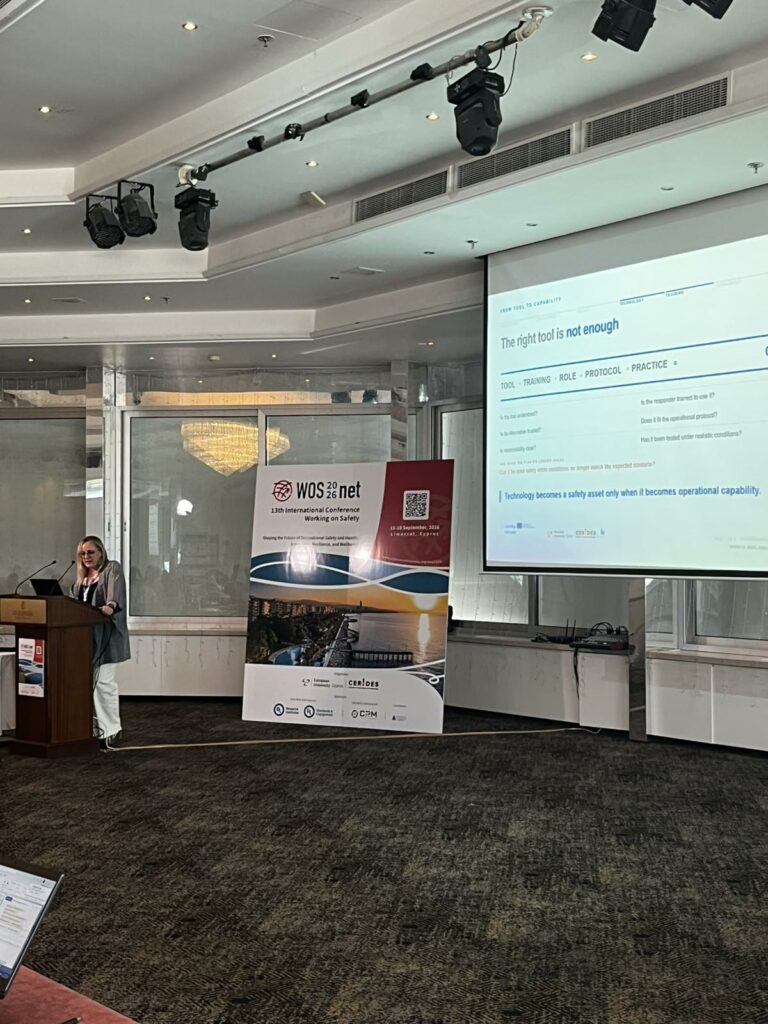
Technology can improve awareness, communication and coordination. However, it is not a solution on its own. A tool must support human judgement rather than replace it.
Moreover, technology must remain usable during difficult field conditions. Systems that are too complex may create additional pressure. Tools must also connect with existing procedures and command structures.
Training should therefore test more than the technology itself. It should test whether people, information and command arrangements continue to work together when conditions change.
Safety must cover the full wildfire cycle
The SIMMER approach places occupational safety and health across the full wildfire cycle. It begins with prevention and continues through emergency response and post-fire recovery.
Professional responders are not the only people exposed to risk. Volunteers, forestry workers and restoration teams may also work in dangerous or unstable conditions. Therefore, safety measures must reflect different roles, skills and levels of responsibility.
Prevention is often invisible because success is measured by the emergency that did not happen. The same is true of safety. Its most important result is the person who returns home.
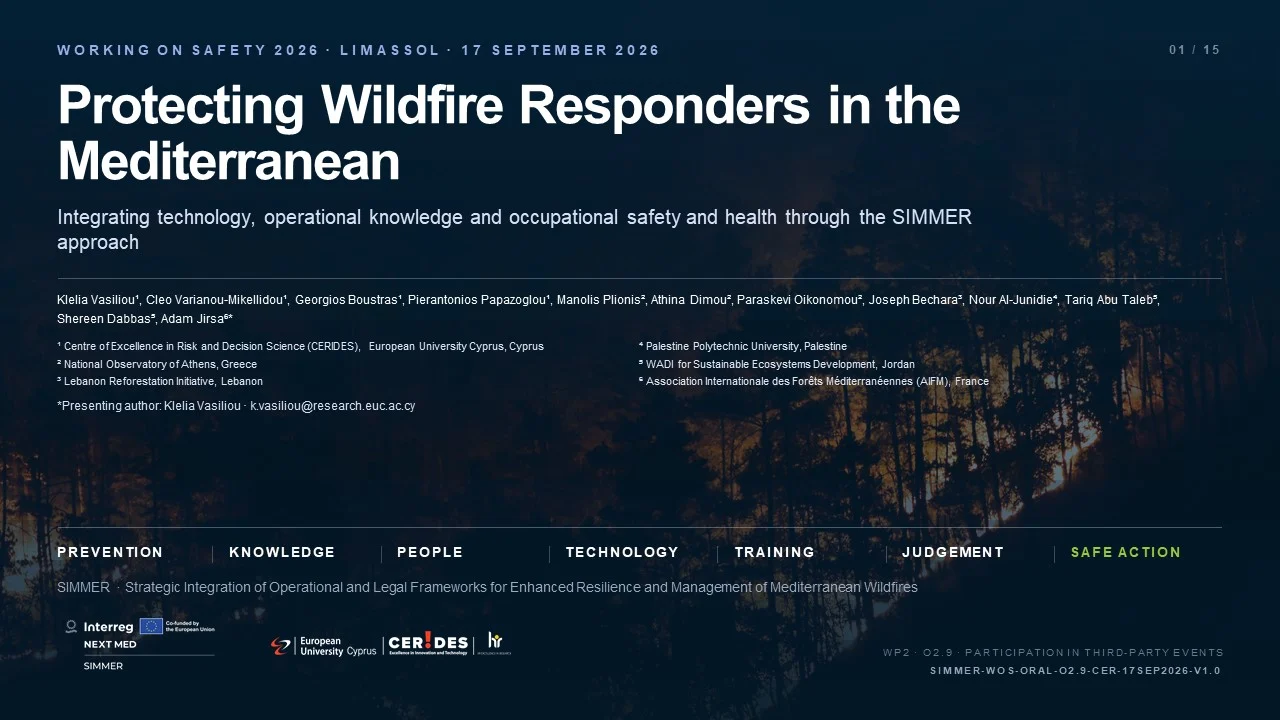
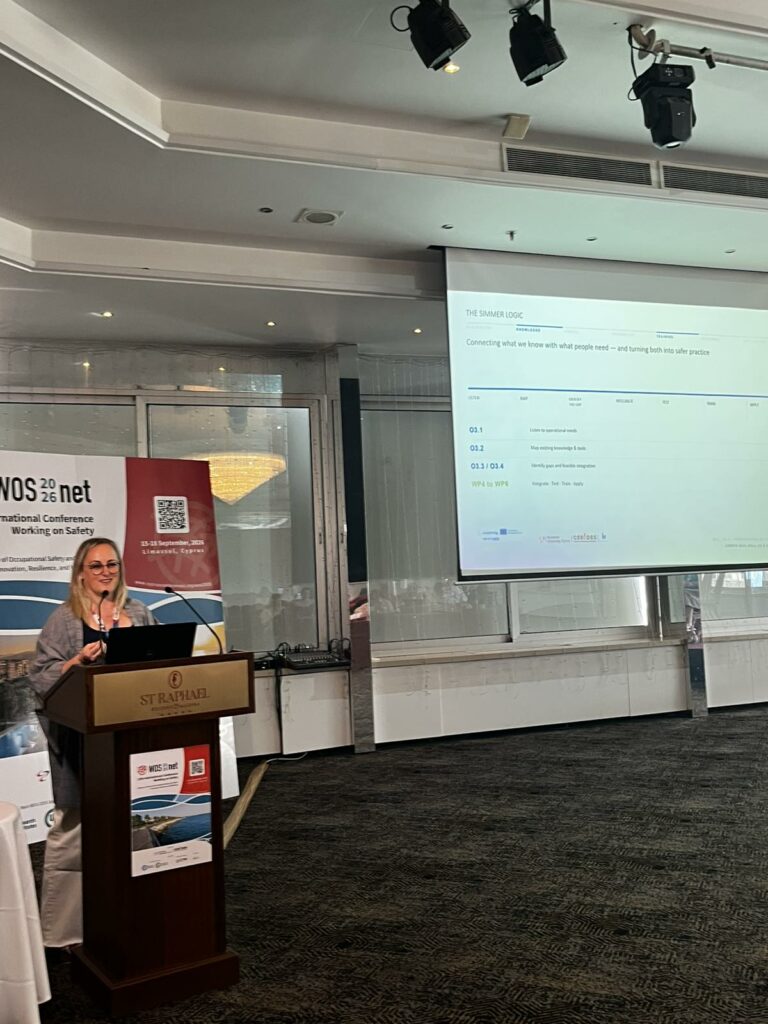
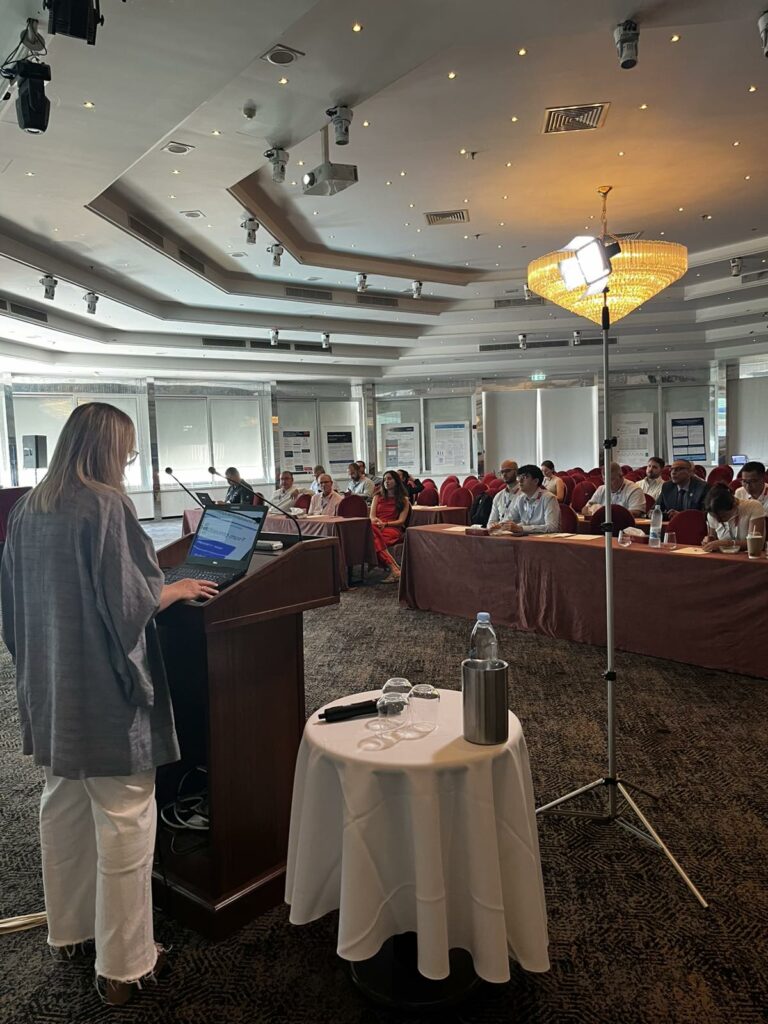
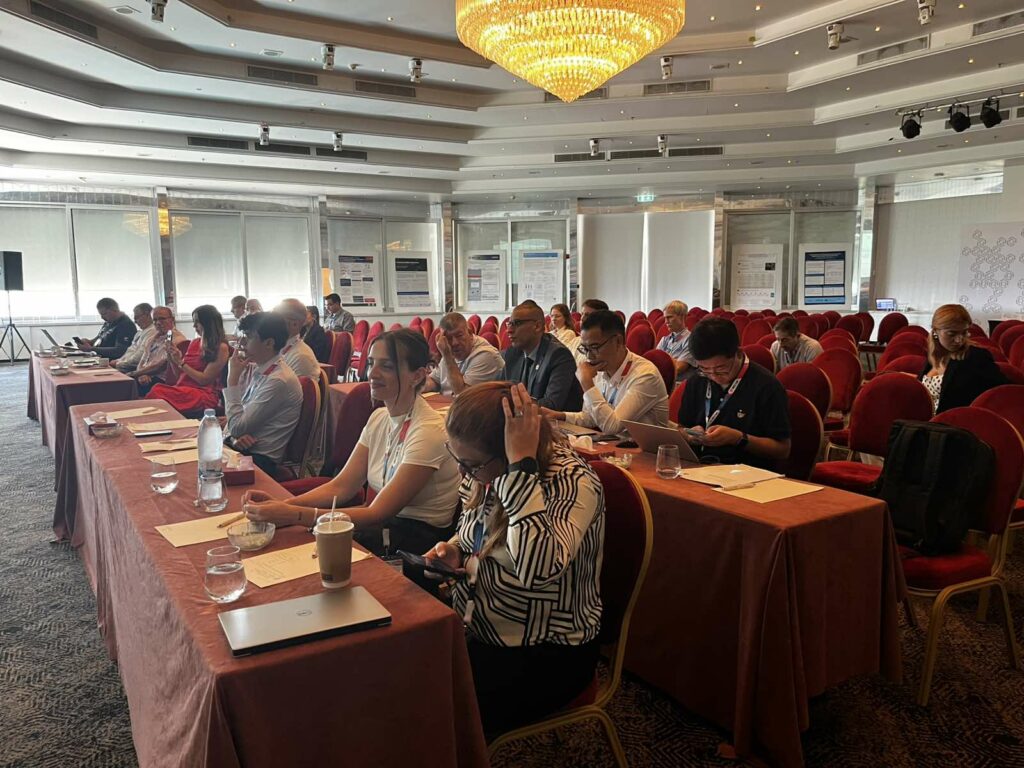
The SIMMER oral presentation delivered at the 13th International Conference Working on Safety (WOS 2026), held in Limassol, Cyprus, on 17 September 2026. The presentation explores occupational safety and health in wildfire management, focusing on the protection of frontline responders through prevention, preparedness, operational coordination and technology.
The Interreg NEXT MED website uses technical, analytics and third-party cookies. By continuing to browse, you accept the use of cookies. Privacy Policy
 Next Med