MedYCI advances in Barcelona to turn youth skills into action across the Mediterranean

In Barcelona, MedYCI partners went beyond logistics to reground the project in its essence, connecting it to the region’s political and economic realities, and set concrete dates toward the Tunis Co-Creation Lab on 10 December.

Publication Date
21/09/2026
Reading Time
5 minutes

Young people are not only beneficiaries of Mediterranean cooperation: they can also help shape it.

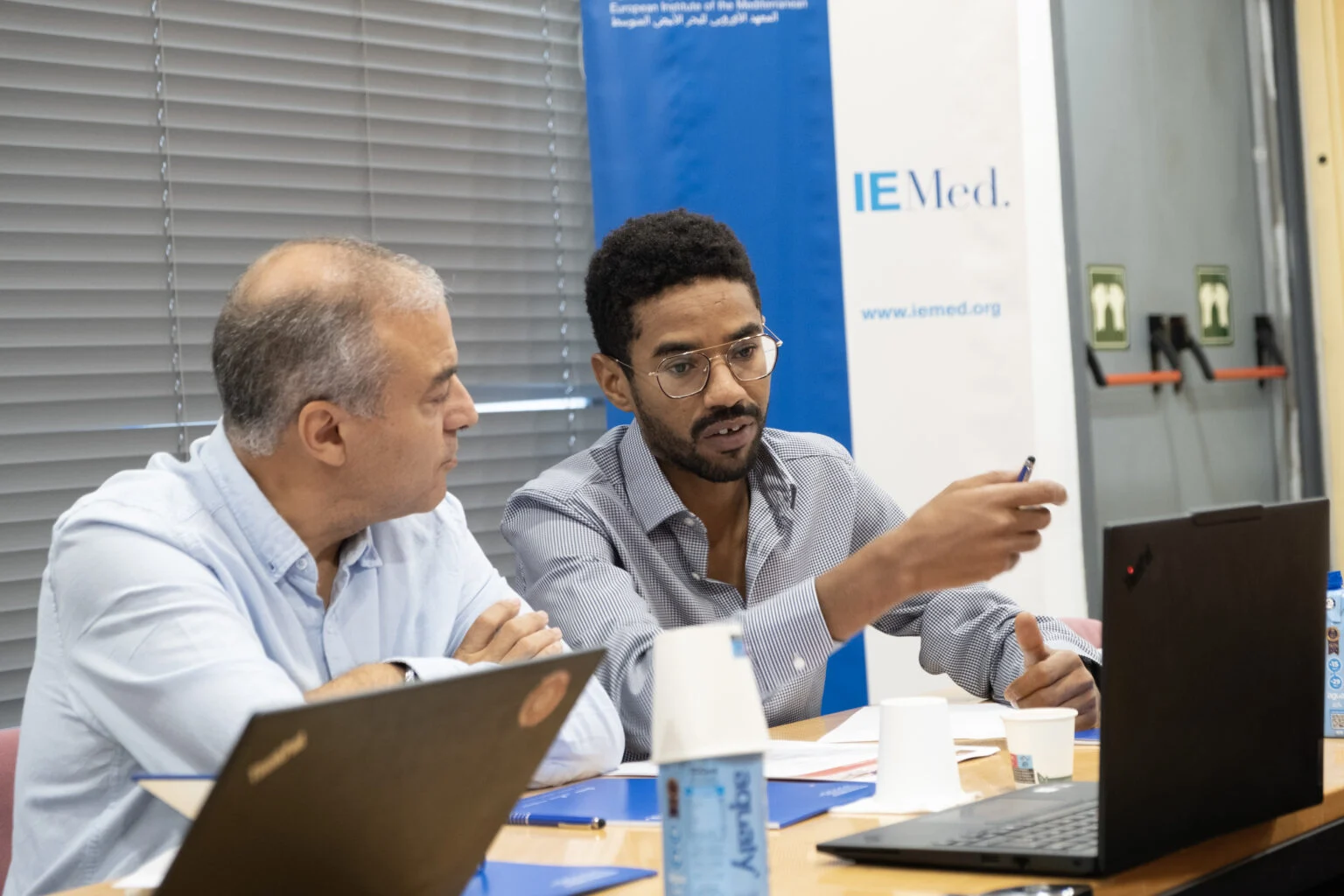
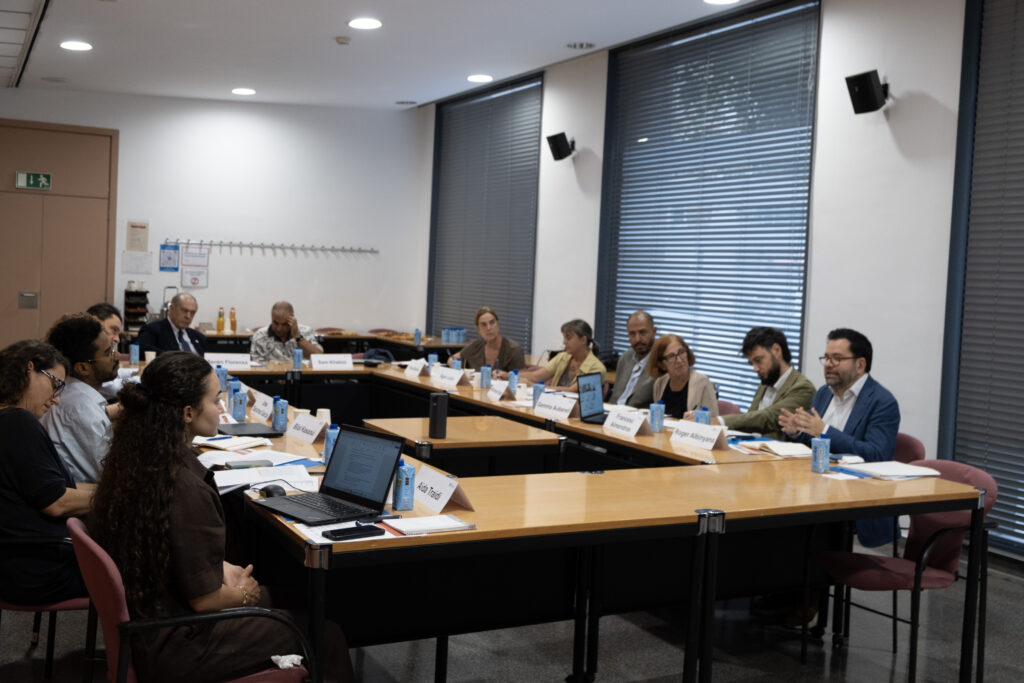
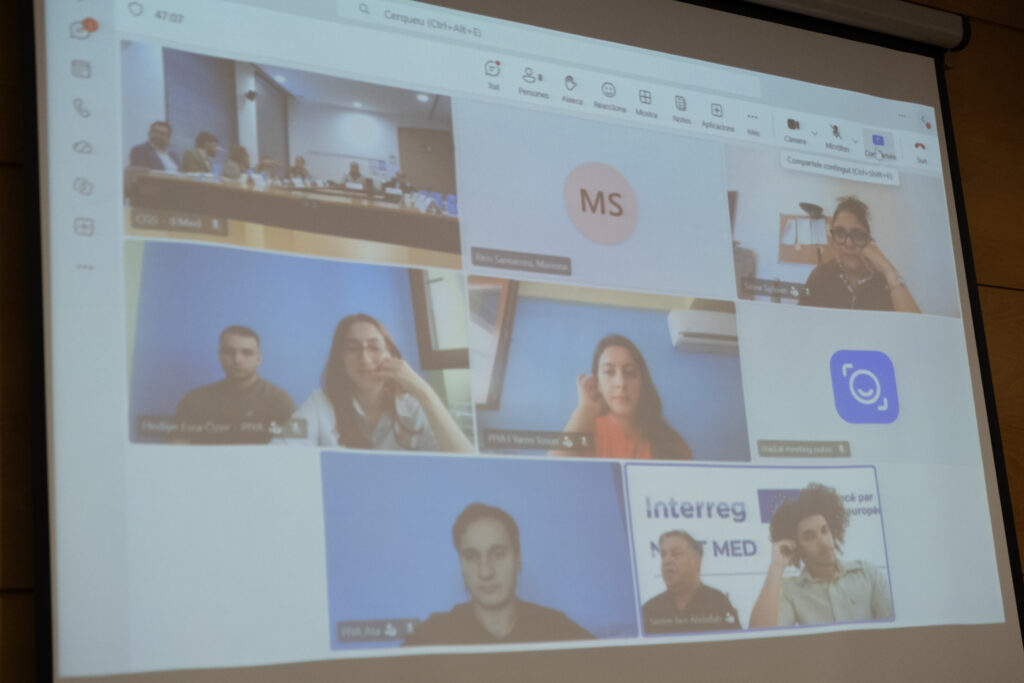
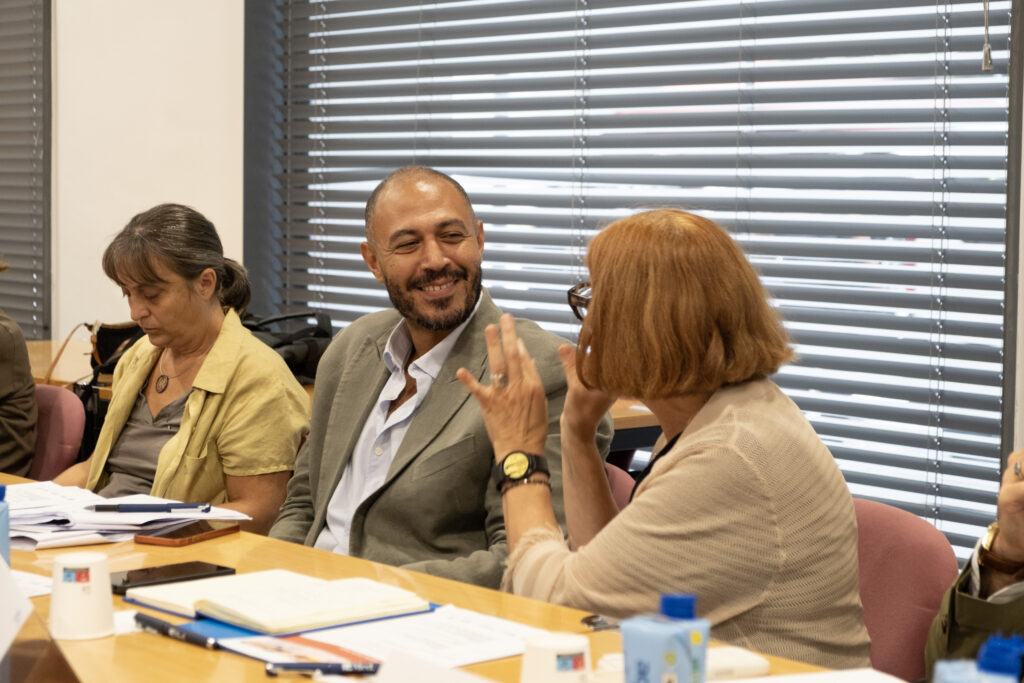
This principle was at the heart of the MEDiterranean Youth for Creative Impact (MedYCI) project meeting held at the European Institute of the Mediterranean (IEMed) in Barcelona on 17 and 18 September 2026, bringing together partners from France, Tunisia, Egypt, Türkiye and Spain.

Co-funded by the European Union through the Interreg NEXT MED Programme, MedYCI is one of a small number of youth-oriented projects currently active under the Programme, a specific strand designed to strengthen the role of young people in Mediterranean cooperation and actively involve them in project activities.

The project also has a place within the wider Euro-Mediterranean agenda: MedYCI is named in the Action Plan of the Pact for the Mediterranean, under the efforts to empower civil society, youth and local communities and to strengthen skills, connections and opportunities across the region.

“Impacting my reality means impacting the Mediterranean,” said Sam Khebizi, Director of Les Têtes de l’Art, speaking about young people’s everyday link to the region. Change at the Mediterranean level can start with young people acting on the challenges they experience in their own communities and connecting those experiences across borders.

Not just an operational check-in

Transnational project meetings can easily become a list of logistics: who submitted what, which deadline is next. Barcelona was deliberately built to be something else.

Rather than confining the two days to reporting and scheduling, partners used the meeting to return to first principles, revisiting the essence of the project and of each of its components, and asking a harder question: what does MedYCI mean given what is actually happening in the region right now? Discussions placed the project’s activities against the current political, policy and economic developments across the Mediterranean, repositioning MedYCI’s work within those realities rather than treating it as a self-contained training programme running alongside them.

Partners also used the meeting to reaffirm the consortium’s number one priority: not activity for its own sake, but the quality of the processes that produce it and the quality of what comes out the other end. That distinction shaped much of the two days; the pedagogical framework, the studios, the dialogues are only as valuable as the rigour behind how they are built and delivered.

We also focused on the role of Med YCI’s sixteen associated partners, the wider network of organisations that support the project’s five implementing partners without holding a budget line themselves. Barcelona was an opportunity to clarify how this network contributes to the project’s reach and credibility across the five countries, and how their involvement will be activated as activities move from design into delivery.

Partners also worked through the logic connecting Med YCI’s work packages, making explicit how the pedagogical groundwork, the studios and creative production, and the youth-led civic action each depend on what comes before them, so that the project reads as a single sequence rather than five parallel tracks. And with the training pathway now taking shape, partners set concrete dates for the activities and commitments ahead, converting the project’s roadmap into a shared calendar each partner is accountable to.

From training to youth-led action

MedYCI will directly involve 200 young people aged 18 to 30 from France, Spain, Türkiye, Tunisia and Egypt in a common learning pathway combining analytical, creative and digital skills with civic participation.

The project seeks to move beyond a conventional training model. Participants will first explore common Mediterranean challenges together with experts and trainers, develop new creative and communication skills, and then put these competences into practice through local and transnational initiatives.

This local-to-Mediterranean approach is central to MedYCI. The project starts from the realities experienced by young people in each territory, their concerns, ideas, skills and perspectives, and connects them through a shared Mediterranean process.

Co-creating a common Mediterranean learning framework

A major focus of the coming months will be the development of the MedYCI pedagogical framework, which will provide a common basis for the training programme across the five countries.

Young participants, trainers and experts will contribute to this process through online exchanges and collaborative activities aimed at identifying and prioritising the Mediterranean challenges that matter to them.

A key milestone will be the MedYCI Co-Creation Lab in Tunis, confirmed for 10 December, bringing together young people, trainers and project partners.

The Lab will connect the different perspectives emerging from the participating territories and translate them into the foundations of the common pedagogical framework and the training programme to be implemented across the five countries.

The objective is therefore not simply to develop training for Mediterranean youth, but to build it with young people from different Mediterranean realities.

From our own realities, we are building the Mediterranean

Training, however, is only the starting point of the MedYCI journey.

Five MedYCI Studios will be established across the participating territories, giving young people access to audiovisual and creative tools and providing spaces where they can experiment, create content and develop their own initiatives.

Participants will then use the competences acquired during the training through cross-regional youth dialogues, showcases of innovative ideas and youth-led creative actions in their communities.

MedYCI will also develop MedTalks, a series of transnational web-TV programmes produced by Med YCI-trained youth. Through these programmes, participants from different countries will be able to discuss Mediterranean challenges, share experiences and bring young perspectives to wider audiences.

Some participants will also take part in Euro-Mediterranean exchanges involving regional actors and policymakers, connecting the ideas and experiences emerging locally with broader regional dialogue.

This connection between scales is at the heart of the project: what happens locally does not remain local. Experiences developed in Barcelona, Marseille, Tunis, Alexandria or Izmir can be shared, compared and transformed into common Mediterranean learning.

A project connected to a wider Mediterranean ambition

This approach gives MedYCI particular relevance at a time when youth participation, skills and stronger connections between Mediterranean societies are increasingly central to the Euro-Mediterranean agenda.

The Pact for the Mediterranean seeks to reinforce cooperation through a framework based on co-ownership, co-creation and shared responsibility. Its Action Plan translates this ambition into concrete initiatives and includes a specific focus on empowering civil society, youth and local communities, the same space MedYCI operates in.

The youth-oriented strand of Interreg NEXT MED follows the same logic: creating opportunities for young people not simply to benefit from Mediterranean cooperation, but to participate actively in it.

For MedYCI, this means creating a pathway that connects skills development, creativity, local action and transnational cooperation, allowing young people to start from the realities they know and gradually connect them with those of their peers across the Mediterranean.

Building a shared direction for the next steps

The Barcelona meeting allowed partners to establish a common roadmap for this next phase of implementation and clarify the connections between the project’s different activities.

Over the coming months, priority will be given to engaging young participants and trainers, advancing the pedagogical framework and preparing the co-creation process leading to the Lab in Tunis on 10 December.

These first steps will lay the foundations for the subsequent training and youth-led activities across the five participating countries.

Ultimately, MedYCI seeks to create more than a training programme. It aims to build a Mediterranean community of young people able to learn from one another, act within their own realities and connect those actions across borders.

Because from our own realities, we are building the Mediterranean.

Gallery

Last Update

21/09/2026