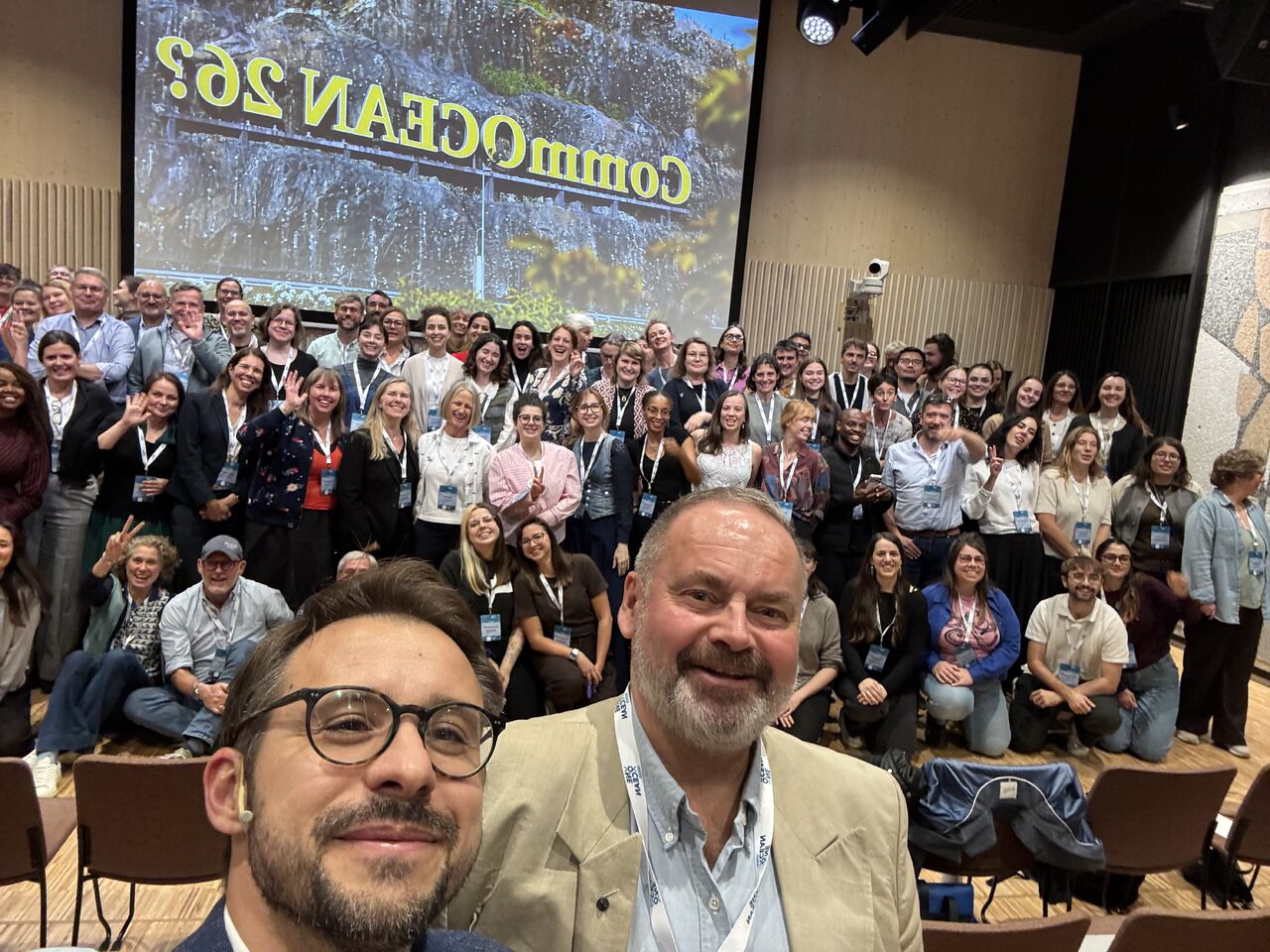
How can complex ocean science reach the people who need it most? And how can communication help turn scientific knowledge into greater awareness, engagement and action?
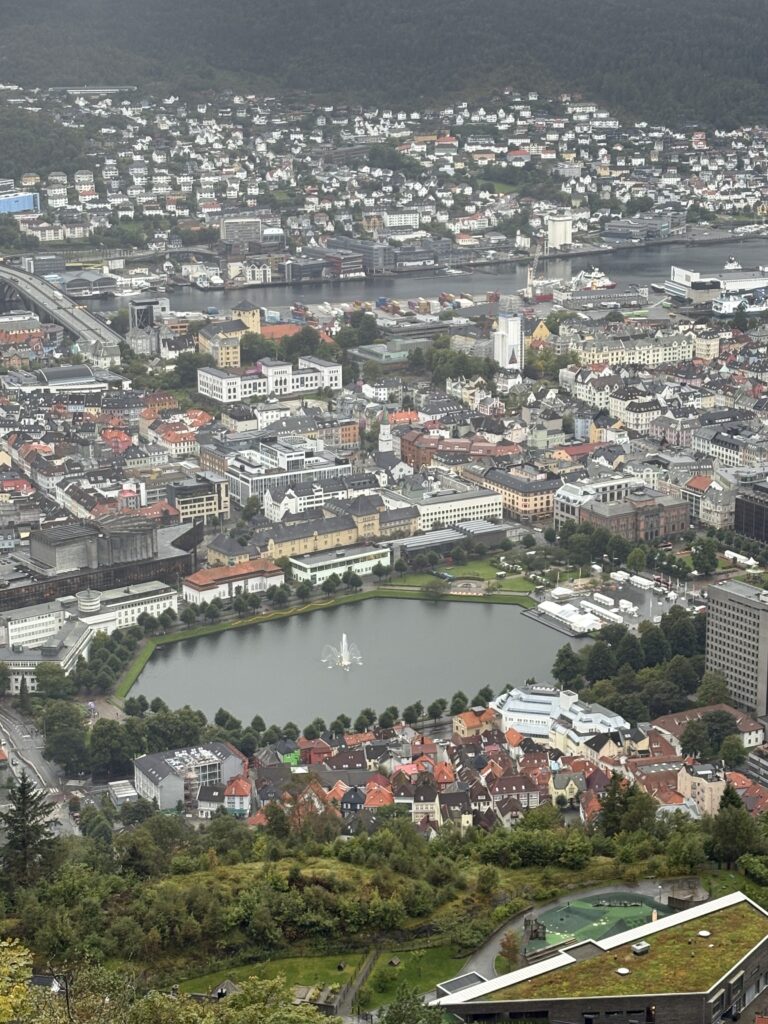
These questions were at the centre of CommOCEAN 2026, the 7th International Marine Science Communication Conference, held in Bergen, Norway, on 2–3 September 2026. The MedJICARP project, led by the Oceanography Centre of the University of Cyprus under the Interreg NEXT MED Programme, was represented at the conference by its communication manager Marisa Labiri (University of Cyprus), bringing the Mediterranean perspective to an international community working at the intersection of marine science and communication.
Held under the theme “Communication for and within the UN Ocean Decade: Setting Sails for 2030,” the conference brought together researchers, science communicators, educators, policymakers, creative professionals and representatives of marine organisations to explore how better communication can strengthen the relationship between ocean knowledge and society.
For MedJICARP, the event offered an opportunity to explore new approaches that can help communicate the project’s work.
When science needs a story
One of the strongest messages emerging from CommOCEAN was: good science needs good communication if it is to make a difference.
The conference opened with a keynote by Emmy Award-winning television producer James Honeyborne, known for his work on major natural-history productions including Blue Planet II. His contribution highlighted the power of storytelling to bring complex marine and environmental issues to audiences far beyond the scientific community.
This perspective is particularly relevant to MedJICARP. The project works with scientific information that can be highly technical—from marine observations and climate indicators to oceanographic data and risk-related information. Communicating this knowledge effectively means making it understandable and relevant without losing its scientific accuracy.
Conversations shaping ocean communication
The CommOCEAN programme explored four broad dimensions of contemporary ocean communication:
- artificial intelligence and new technologies security,
- geopolitics and communication in times of crisis
- citizen engagement and ocean literacy and
- emerging approaches to marine science communication.
These themes were reflected throughout the conference’s plenary sessions, workshops, keynote presentations, posters and interactive formats.
The first plenary, “Communication and impact to benefit the ocean and society,” examined how communication can contribute to societal impact. Speakers from marine research, the United Nations Environment Programme and other organisations explored the relationship between scientific knowledge, communication and society.
The second plenary explored new technologies in ocean science communication, bringing together perspectives from the National Sea Centre Nausicaá, creative industries and independent research.
The third plenary focused on “Increasing citizen engagement and ocean literacy through communication.” Speakers examined ways of reaching different audiences and strengthening people’s understanding of the ocean and its importance.
The final plenary brought the conference’s themes together under the title “Taking science communication to ocean action.” Contributions addressed the relationship between communication, stakeholder engagement, science and the practical use of ocean knowledge.
Workshops explored subjects ranging from AI and science communication to game-based communication tools, digital exhibitions and visual storytelling. Other sessions challenged participants to rethink familiar formats such as scientific posters and to explore more creative ways of presenting research. Participants explored storytelling and art, movement, podcasts, games, exhibitions, creative science posters and even knitting as ways of creating connections with marine issues.
This diversity of approaches is especially relevant for MedJICARP. The project operates across a region where marine and coastal environments are closely connected to people’s everyday lives, economies and cultural identities. The experiences shared at CommOCEAN offer valuable inspiration for developing communication activities that speak to different audiences while keeping scientific evidence at their core.
Communication is part of the solution
Participation in CommOCEAN 2026 provided MedJICARP with an opportunity to connect with an international network of professionals working to make ocean science more accessible, engaging and impactful.
The conference also offered practical inspiration for the project’s communication and dissemination activities, particularly in relation to:
- audience-focused communication tailored to different stakeholder groups;
- storytelling and visual communication to make complex scientific information more accessible;
- digital and interactive formats for presenting marine and climate information;
- ocean literacy and public engagement;
- participatory approaches that encourage dialogue;
- and the responsible use of AI and emerging technologies in science communication.
As the UN Ocean Decade progresses towards 2030, communication will remain an essential link between research and action.
For MedJICARP, the experience in Bergen reinforces the importance of placing communication at the heart of the project’s work, helping transform marine observations and scientific knowledge into shared understanding.
 Next Med