Bringing renewable energy into historic environments was once again at the heart of the conversation in Lebanon’s energy sector, this time during the Lebanon Grand Energy Event 2026 (LGEE2026), the flagship gathering of the Lebanon Committee of the World Energy Council (WEC Lebanon).
Held from 9 to 11 September 2026 at the InterContinental Phoenicia in Beirut under the theme “Energy in Motion: Facilitating, Expediting, Expanding,” LGEE2026 brought together energy leaders, policymakers and experts from Lebanon and more than 40 countries, with organizers aiming for around 2,000 attendees, including some 500 registered delegates. The event was organized by WEC Lebanon with the support of the Lebanese Center for Energy Conservation (LCEC).
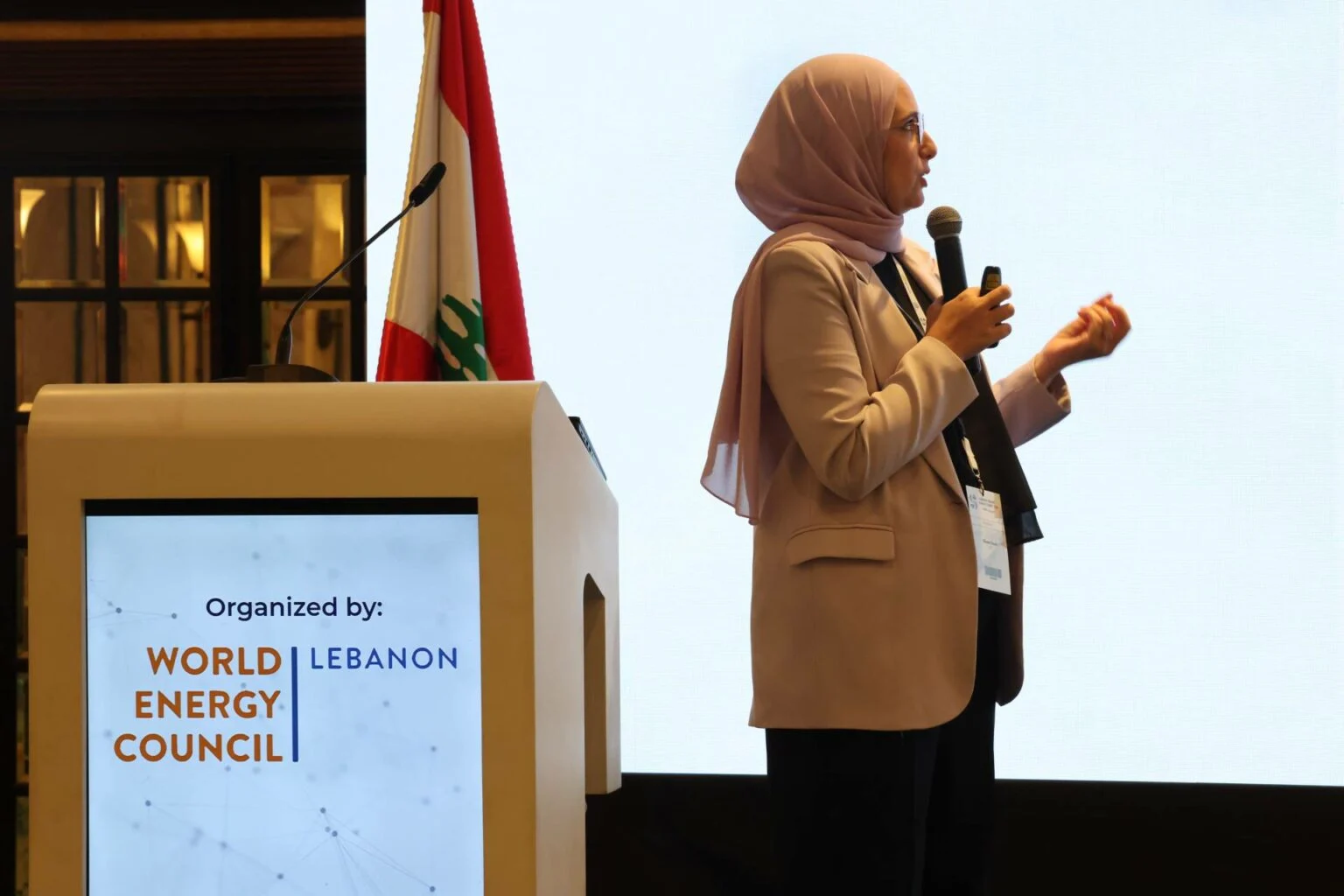
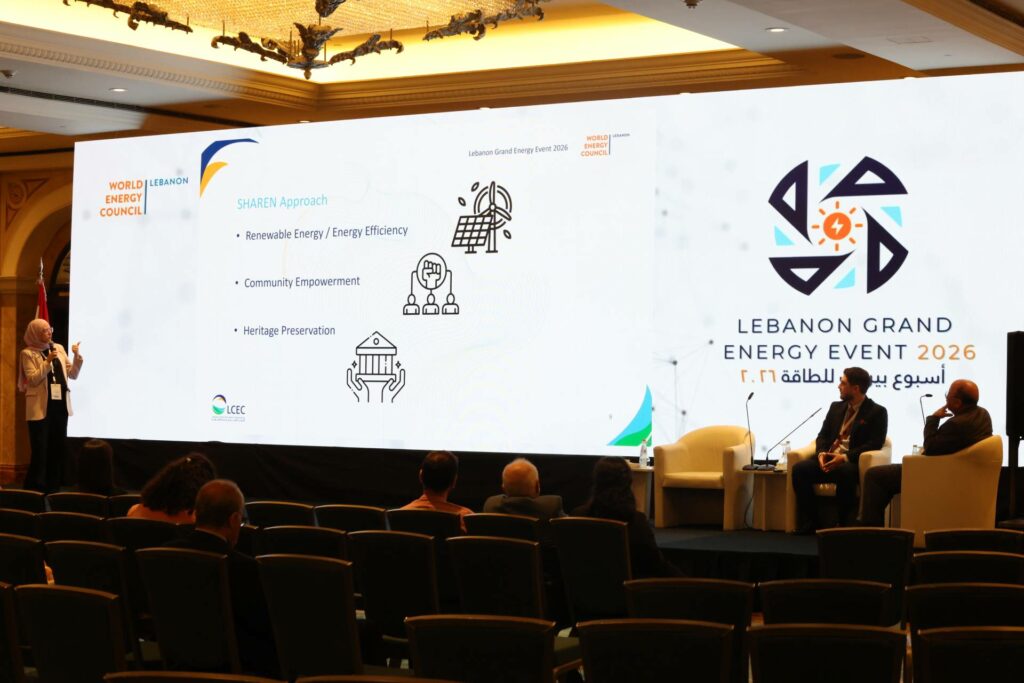
Within this context, Session 2A, “Sustainable Architecture in Historical Buildings: Preserving and Saving,” held in partnership with LCEC and moderated by Dr. Farid Chaaban, University Professor at the American University of Beirut, looked at how energy efficiency and renewable energy solutions can be applied to historic sites without compromising their heritage character. Ms. Ghada Daouk, Senior Energy Engineer and Project Coordinator at LCEC, presented “Supplying Historic Sites with Sustainable Energy: The Case for Anjar and Byblos,” drawing on the EU co-funded SHAREN project, which introduces energy-sharing solutions and renewable energy communities into Mediterranean historic centres, with LCEC as frontrunner partner and pilot sites in the UNESCO World Heritage towns of Byblos and Anjar. The presentation walked participants through the project’s approach to reconciling clean energy deployment with heritage protection in both sites, and outlined the upcoming steps for the two pilot Local Action Plans.
The presentation drew considerable interest from the floor, with a lively round of follow-up questions on how the model could be replicated in other historic sites across Lebanon, the opportunities for local communities and businesses to get involved, and the financing behind the EU-backed initiative. Several attendees approached Ms. Daouk after the session to learn more about the project and its timeline.
 Next Med