From Analysis to Action: Inside MED-YCI’s Three-Stage Approach to Training Mediterranean Youth

Two hundred young people across five Mediterranean countries are testing MED-YCI’s three-phase training model: analysis, creativity, then civic action.

Publication Date
13/08/2026
Reading Time
3 minutes

Two hundred young people across five countries- Tunisia, Egypt, Turkey, Spain, and France- are about to test a training model built on a simple wager: that you cannot teach civic engagement from a slide deck. You have to research a real problem, make something about it, and then go and act on it.

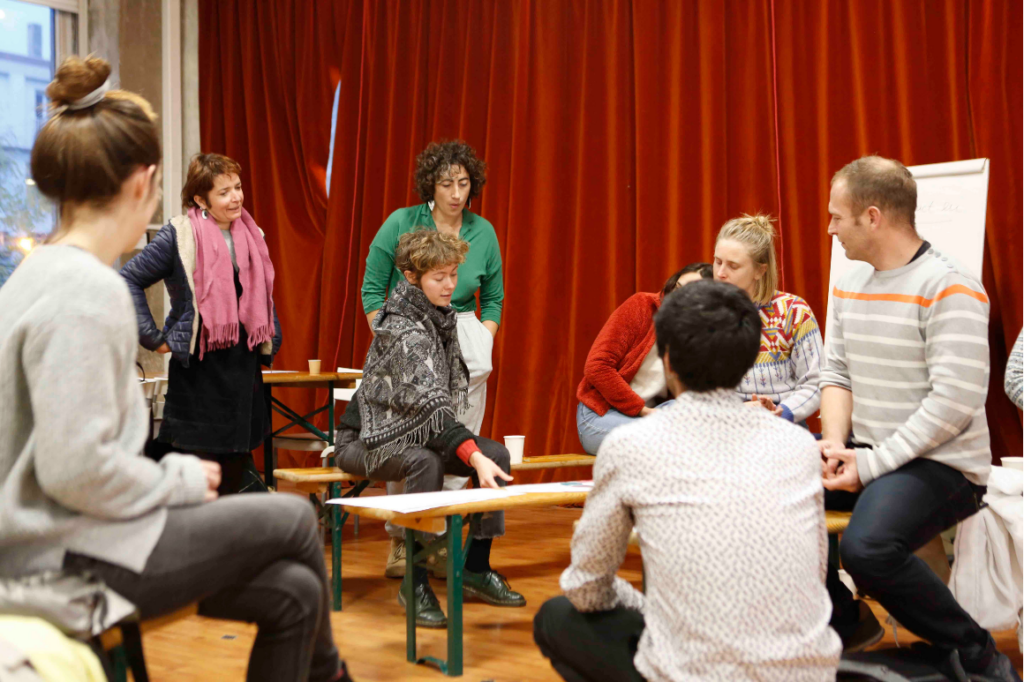
That is the logic behind the MED-YCI pedagogical framework, the methodological backbone of the Interreg NEXT MED project MEDiterranean Youth for Creative Impact. Rather than a conventional curriculum handed down to participants, the framework was co-designed, built jointly by young people, subject experts, and artists from across the region, through a series of online working groups that identified the Mediterranean’s most pressing shared challenges, followed by a face-to-face co-creation lab in Tunis where representatives from each country met to turn that groundwork into a finished training program. The result is published in five languages, so that no version of it is a translation of someone else’s priorities.

Phase One: Analysis

The training opens with the problem, not the solution. Participants spend this first phase working alongside experts to research, prioritise and unpack the social, digital and environmental issues specific to their own territory; a young person in Alexandria and a young person in Izmir will not necessarily start from the same list.

This is deliberate. The pedagogical framework was built precisely so that the five national programs share a common methodology while tackling locally defined problems, rather than importing a single template across five very different countries. It is also where the project’s more conventional “training” language stops applying: this is not a lecture series but a structured research process, feeding directly into what participants build next.

Phase Two: Creativity

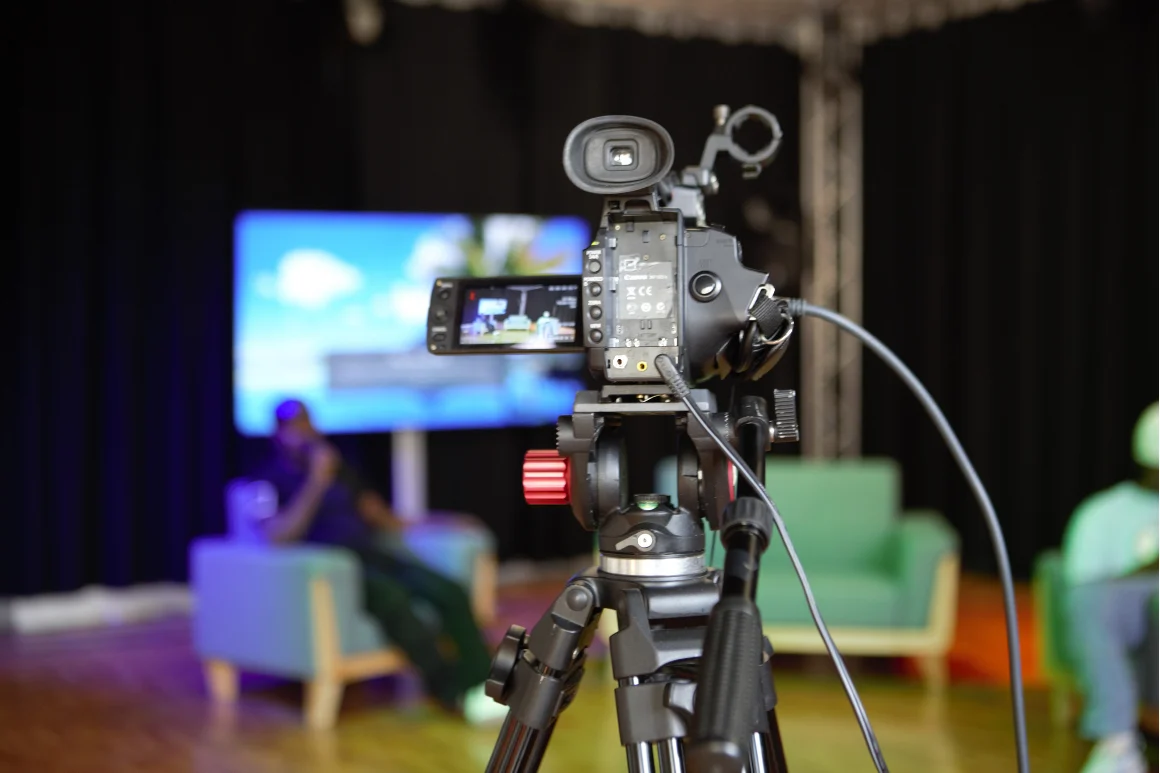
The second phase moves out of the seminar room and into the studio, literally. Each of the five partner countries is establishing a dedicated MED-YCI Studio, equipped for video production, podcasting and digital storytelling, and kept operational for the length of the project so participants can keep returning to it.

The centrepiece here is the “Express Yourself” workshop series: hands-on sessions led by artists, journalists and content creators from each partner country, who don’t just teach technique but travel; each facilitator is expected to run workshops not only at home but in the four other partner countries as well. The aim is not polish for its own sake. It’s translation: turning the analysis from phase one into something that can travel outside the room, a video, a podcast episode, a piece of storytelling that argues for something.

Phase Three: Action

The final phase is where the training stops being training and becomes practice. Participants take what they’ve researched and produced and put it to work in three directions at once.

First, cross-regional youth dialogues bring participants together to compare notes across borders and distil their findings into strategic recommendations for the Mediterranean Youth Council, recommendations that get drafted, translated into five languages and formally published, not filed away. Second, trained participants run workshops in their own territories to surface and showcase innovative ideas from entrepreneurs, local enterprises and authorities, fifty ideas in total across the five countries, each with its own local exhibition and short film. Third, and most visibly, participants design and run their own local civic actions, creative projects, prepared with guidance from local experts and artists, which converge at the international Med’Action Festival, where initiatives from all five countries are presented side by side.

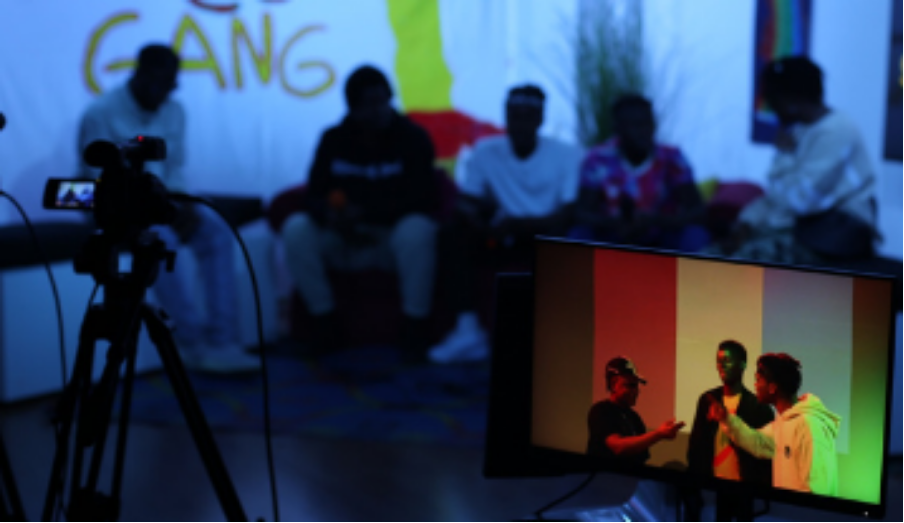
Running alongside all of this is a further, longer-term output: a series of Medtalks, transnational web-TV conversations produced by MED-YCI-trained youth themselves, extending the training’s reach well past the people who sat in the room.

Why the sequence matters

The sequencing is a design constraint, not a slogan: each phase’s output is the next phase’s raw material. You cannot run a meaningful Express Yourself workshop without something to say, which is why analysis comes first. You cannot found a credible policy recommendation or a civic action on a workshop that never left the studio, which is why action comes last.

By the end of the process, participants who complete both stages of the program receive certification from the Anna Lindh Foundation, recognition intended to travel with them into the “Career 4.0” job market the project’s own communications talk about. Throughout, they’re guided by a pool of thirty trainers and artists drawn from across the five partner countries.

This approach is still new, and it’s being tried across five very different countries at once. The real test comes once the first participants move through the full three-phase framework, which the project’s own evaluation process is designed to track over the coming months.

Gallery

Last Update

13/08/2026