Meet the People Behind MedFireWise in Türkiye: From Response to Resilience

For Murat Aksoy, İkram Çelik and Prof. Dr. Yusuf Serengil, wildfire resilience is no longer defined only by how quickly a fire can be suppressed. It is increasingly shaped by what happens long before the first flame appears.

Publication Date
11/08/2026
Reading Time
4 minutes

Wildfires across the Mediterranean are becoming more frequent, more intense and more difficult to manage. Climate change is accelerating this trend, but it is only part of the story. Expanding settlements, changing land use and growing pressure on forest ecosystems are creating increasingly complex challenges that require a broader approach to wildfire management.

During our conversation with the Turkish team behind MedFireWise, one message emerged consistently: responding effectively will always remain essential, but long-term resilience depends on investing just as much in prevention, planning and landscape management. As they explained, “there is increasing recognition that wildfire management must move beyond suppression towards a more balanced and integrated approach.”

Bringing Different Expertise Together

The Turkish contribution to MedFireWise is built on the complementary expertise of professionals working at the intersection of forestry, wildfire management and environmental science.

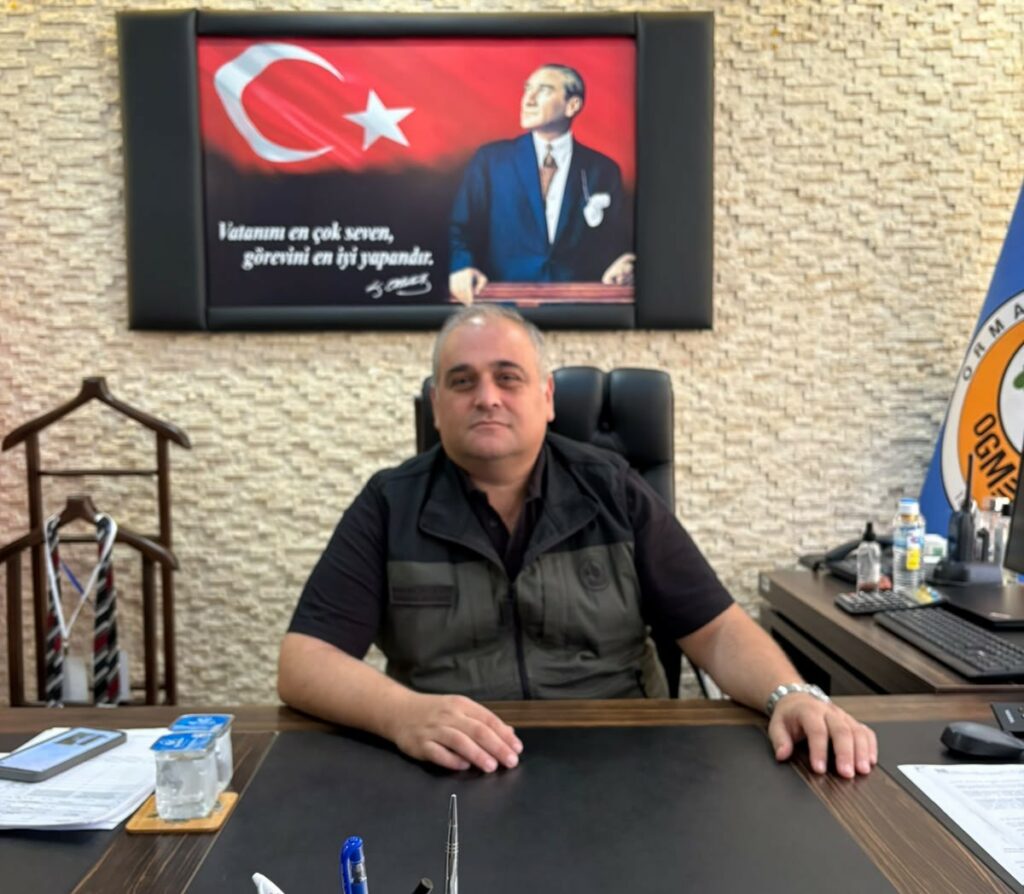
At the local level, Murat Aksoy, Director of the Edirne Forest Enterprise, leads the implementation of the project’s field activities. Drawing on decades of experience in forest planning, ecosystem management and operational forestry, he ensures that project activities remain closely connected to the realities of day-to-day forest management.

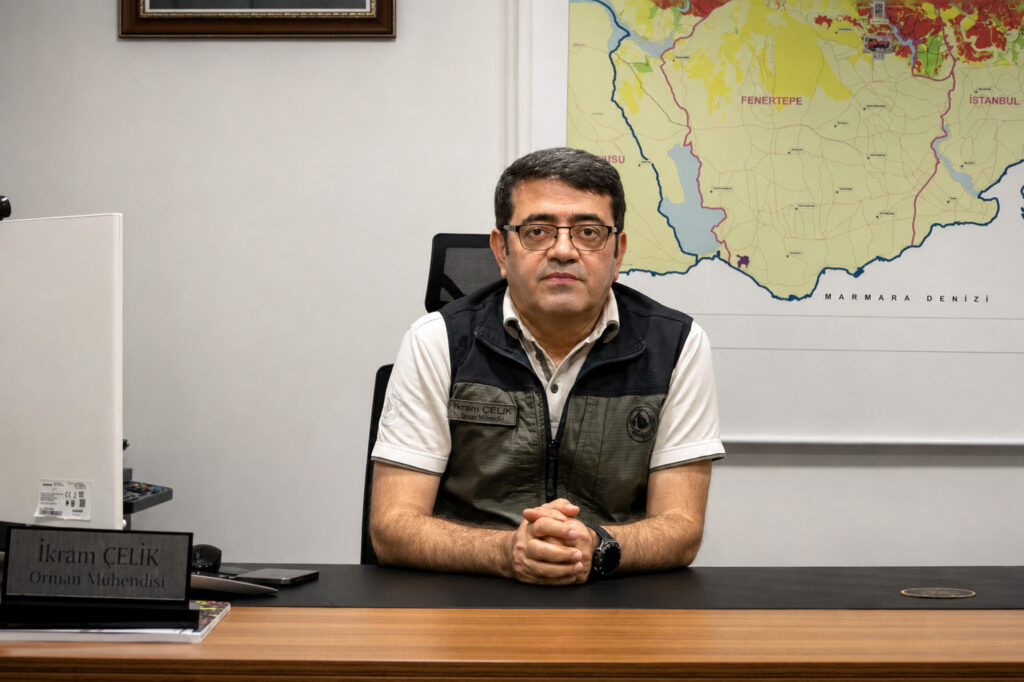
Supporting this work is İkram Çelik, Head of the Department of Forest Fire Management within Türkiye’s General Directorate of Forestry. His expertise spans wildfire prevention, suppression planning, operational coordination and fuel management, bringing extensive practical experience from years of working directly on wildfire management.

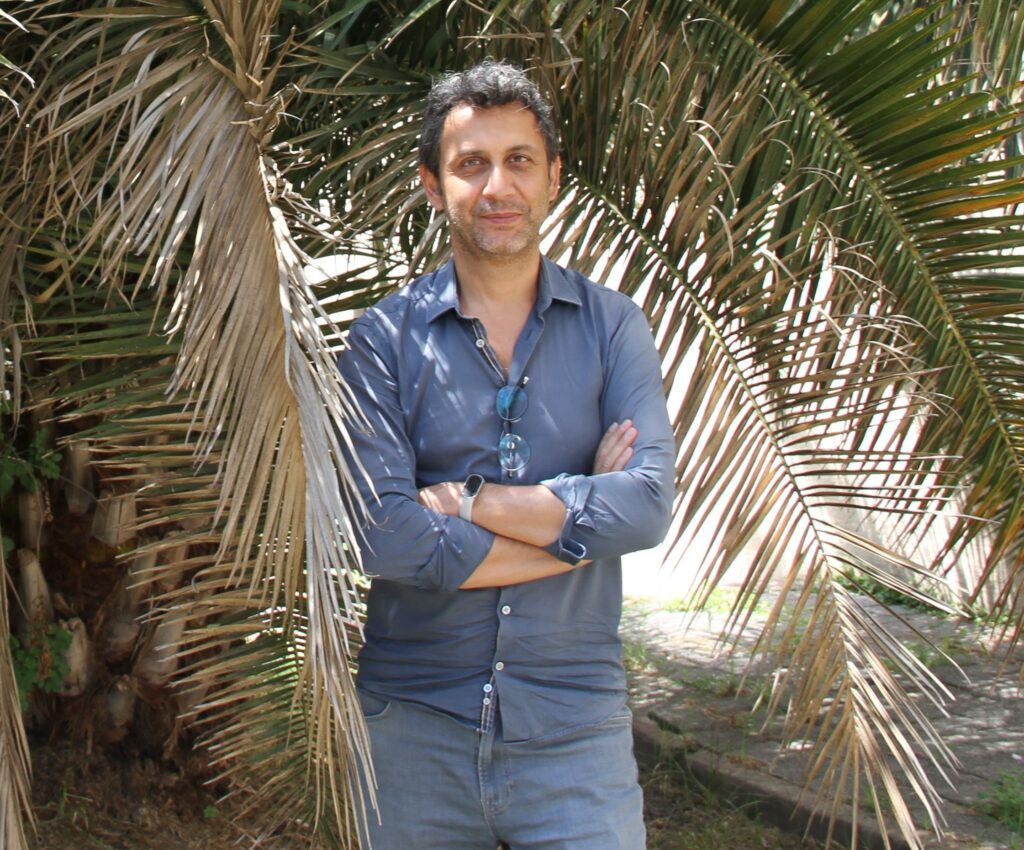
Completing the team is Prof. Dr. Yusuf Serengil, whose scientific background in climate change adaptation, hydrology, ecosystem restoration and carbon management helps connect research with practical forestry. His work ensures that scientific knowledge supports operational decision-making while strengthening collaboration among the project’s international partners.

Together, the team combines expertise in “forestry, wildfire management, climate science and international project implementation,” enabling them to approach wildfire challenges from multiple perspectives and bridge science, policy and operational forestry.

Looking Beyond Suppression

When discussing the challenges facing Türkiye and the wider Mediterranean, the team emphasised that climate change alone does not explain today’s wildfire risk.

“Rising temperatures, prolonged droughts, lower humidity and more frequent heatwaves have significantly increased fire danger and extended the duration of the fire season,” they explained. At the same time, “human settlements are expanding into forested areas, increasing the extent of the wildland-urban interface where forests and communities coexist.”

These changes make wildfire management increasingly complex. During periods of extreme weather, multiple fires may occur simultaneously, placing enormous pressure even on experienced firefighting organisations.

For this reason, the team believes that suppression alone can no longer be the only answer.

Instead, wildfire resilience must also include fuel management, ecosystem restoration, landscape planning, public awareness and stronger community preparedness.

“Nature-based solutions can play a particularly important role by creating more resilient landscapes that reduce wildfire risk while maintaining ecosystem services,” they noted.

Rather than replacing suppression, prevention strengthens it by reducing the conditions that allow fires to become catastrophic.

Learning Through Practice

For the Turkish team, one of MedFireWise’s greatest strengths is its emphasis on practical experience.

As part of the project, the Edirne Forest Enterprise will implement a prescribed burning demonstration in a strategically selected management area. More than a technical exercise, it represents an opportunity to strengthen institutional capacity while demonstrating how prescribed fire can be safely integrated into fuel management strategies.

According to the team, the activity will provide “valuable practical experience in the use of prescribed fire as a fuel management tool,” while contributing to the development of operational knowledge and best practices that can later be applied more widely.

Beyond field demonstrations, MedFireWise also promotes workshops, technical meetings, stakeholder engagement and knowledge exchange between practitioners, researchers and decision-makers.

The objective is not simply to test new approaches, but to ensure that successful practices can be adapted to different Mediterranean contexts through continuous learning and collaboration.

Learning From One Another

International cooperation was another topic that returned several times throughout our discussion.

The team reflected on previous collaborations with partners across Europe while highlighting the opportunity to work more closely with organisations from North Africa through MedFireWise.

“Working closely with our North African partners is a new and particularly valuable experience for us,” they explained. “Their participation brings new perspectives, different operational experiences and diverse approaches to wildfire prevention and management under Mediterranean conditions.”

For the Turkish team, this exchange is one of the project’s greatest strengths.

Although Mediterranean countries often face similar wildfire risks, each has developed different operational procedures, institutional frameworks and management practices.

“By sharing these experiences, we can identify good practices, better understand regional challenges and adapt successful approaches to our own national contexts,” they said.

Rather than promoting a single solution, MedFireWise creates an environment where every partner contributes experience while learning from others.

Looking Ahead

When asked what they hope MedFireWise will achieve in the long term, the discussion naturally moved beyond the project’s immediate activities.

The team hopes the initiative will help establish a more integrated approach to wildfire management across the Mediterranean—one where prevention, fuel management, ecosystem restoration, climate adaptation and community engagement become central elements of long-term strategies rather than complementary actions.

They also believe that one of the project’s most valuable outcomes will be the professional relationships established between partner organisations.

“The professional relationships, technical cooperation and mutual trust developed through MedFireWise can support future joint research, capacity-building initiatives and policy development across the region,” they explained.

Ultimately, they hope the project will “serve as a foundation for building more resilient, sustainable and science-based wildfire management systems across the Mediterranean region.”

As our conversation came to an end, one final message captured the team’s vision for the future.

“Our goal is no longer only to respond effectively to wildfires, but to further enhance a comprehensive wildfire management system capable of preventing fires before they ignite through advanced risk analysis, prescribed burning, fuel management and nature-based solutions.”

It is an ambition that goes beyond any single country or project. It reflects a broader shift in the way Mediterranean partners are approaching wildfire resilience: combining scientific knowledge, operational experience and international cooperation to reduce wildfire risk before an emergency begins.

Partner Spotlight Series

This article is part of the MedFireWise Partner Spotlight Series, highlighting the people and organisations working together to strengthen wildfire resilience across the Mediterranean.

Gallery

Last Update

11/08/2026