Discover MedPROACT’S Chott-Mariem Pilot Site; an Ecological Treasure on the Tunisian Coastline
Discover Chott-Mariem’s pilot area: MedPROACT’s biodiversity spot, a coastilne still very much full of life.
Publication Date 05/08/2026
Reading Time 2minutes
MedPROACT’s pilot areas are across the Mediterranean Sea, each facing a different side and providing information about different environments and habitats. In Tunisia there are three different areas, each one investigating different stressors and challenges, one in Monastir Bay, one in El Bibane Lagoon and one on the Hergla–Chott Mariem coastline.
The Hergla–Chott Mariem coastline
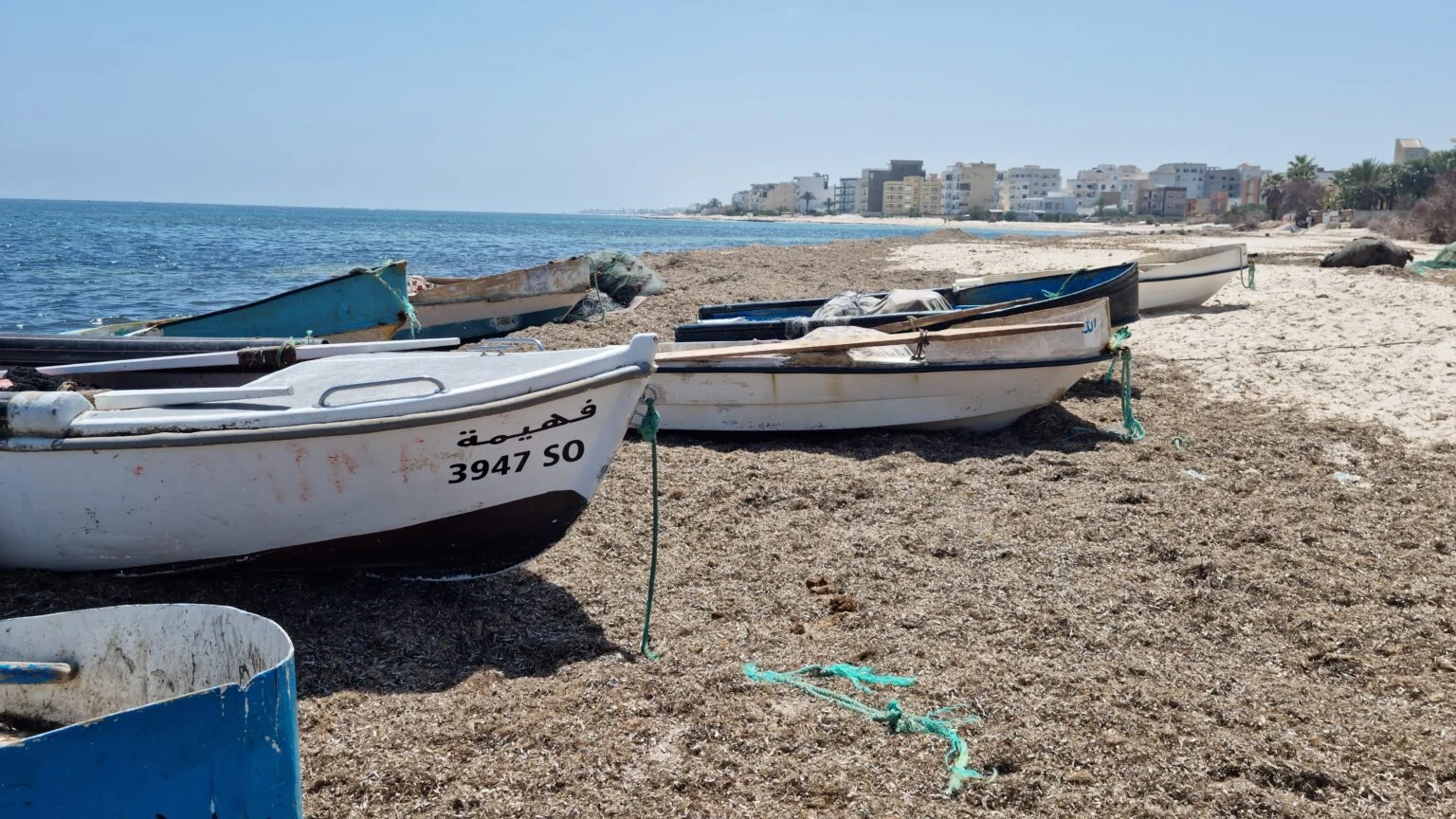
The Hergla–Chott Mariem coastline lies along the Gulf of Hammamet, a shallow embayment in the Central Mediterranean with hydrographic conditions influenced by both regional currents and local meteorological forces. The shoreline features sandy beaches, shallow offshore zones, and a diverse but vulnerable marine environment. The beaches are natural and relatively pristine, though recent urban development, unregulated tourism, and coastal erosion have put increasing pressure on the ecosystem. The medium-depth offshore zone (5–15 meters) supports a range of marine habitats and is suitable for aquaculture and fishing activities. Water quality, while generally moderate to good, varies seasonally due to runoff, agricultural discharge, and limited sewage treatment capacity.
The Chott-Mariem beach
Ecology and socioeconomical activities
A major ecological asset is the presence of Posidonia oceanica meadows, a protected Mediterranean seagrass species. These meadows play a critical role in coastal protection, biodiversity maintenance, and oxygen production, but face ongoing threats from anchor damage, pollution, and sedimentation. Offshore fish farming is a growing economic sector in the region, particularly off the coast of Hergla, where floating cage systems are used to rear sea bass (Dicentrarchus labrax), gilthead sea bream (Sparus aurata), and bluefin tuna (Thunnus thynnus). Tuna farming, in particular, represents a high-value activity with export potential, but it also raises concerns regarding nutrient loading, disease management, and the pressure on wild fish stocks used for feed.
Inland, Hergla is known for its brackish water aquaculture, especially the farming of mullet and sea bass in managed pond systems. This traditional activity supports local employment and contributes to regional food security. Other dominant activities include artisanal fishing, seasonal tourism, and beach recreation, making this zone an important socio-ecological interface that requires integrated and sustainable coastal management.
Here these is not going to be a structured community engagement like in Monastir, where the Local Working Groups for Climate Change have started, but we will still work closely with the local fishers to gather information about invasive alien and not alien species, stressors and anything else that will contribute to create guidelines for adapting to climate change.
Last Update
05/08/2026
The Interreg NEXT MED website uses technical, analytics and third-party cookies. By continuing to browse, you accept the use of cookies. Privacy Policy
 Next Med