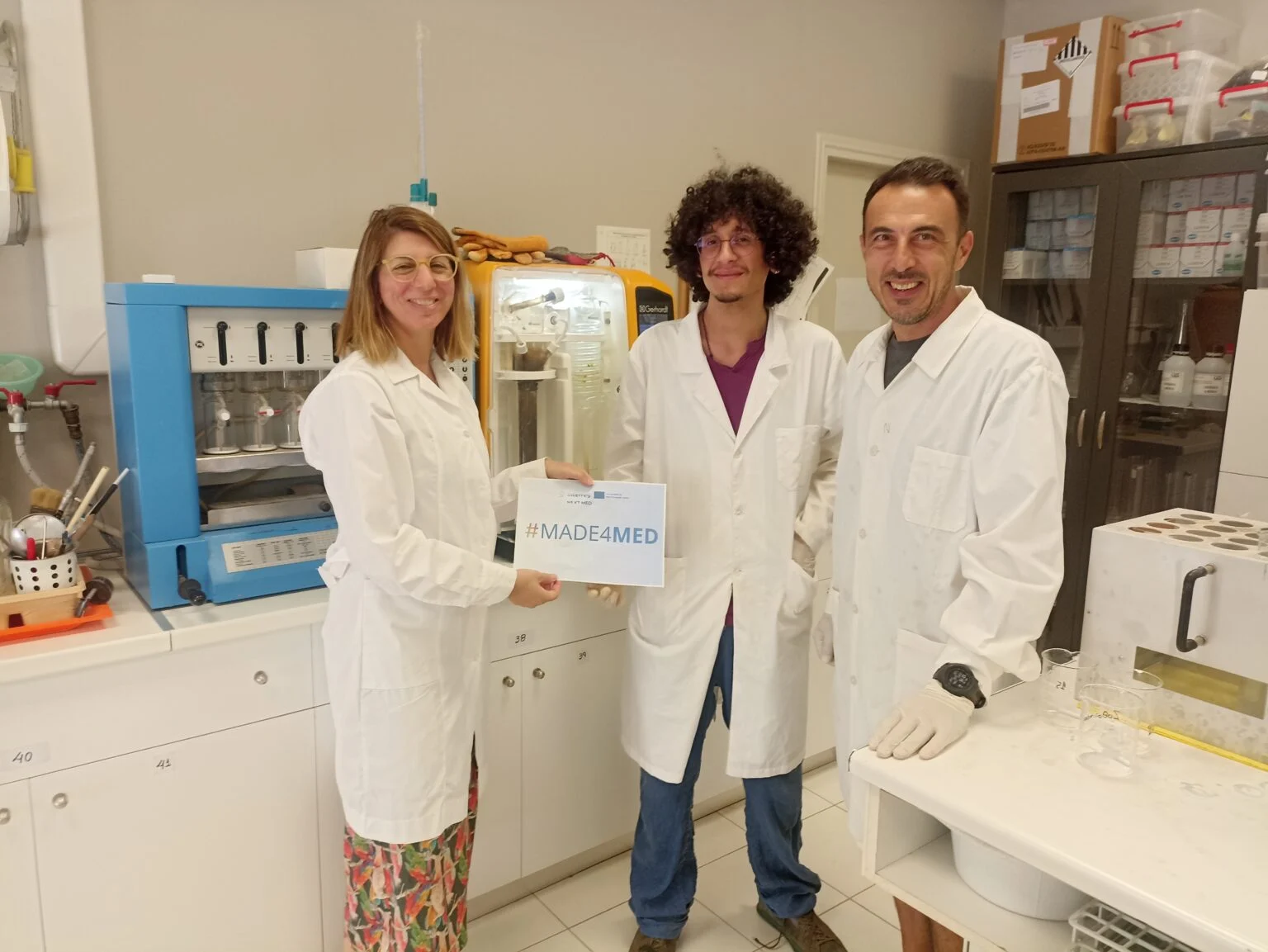
In Crete, the Sludge2Energy project is moving from the field to the laboratory.
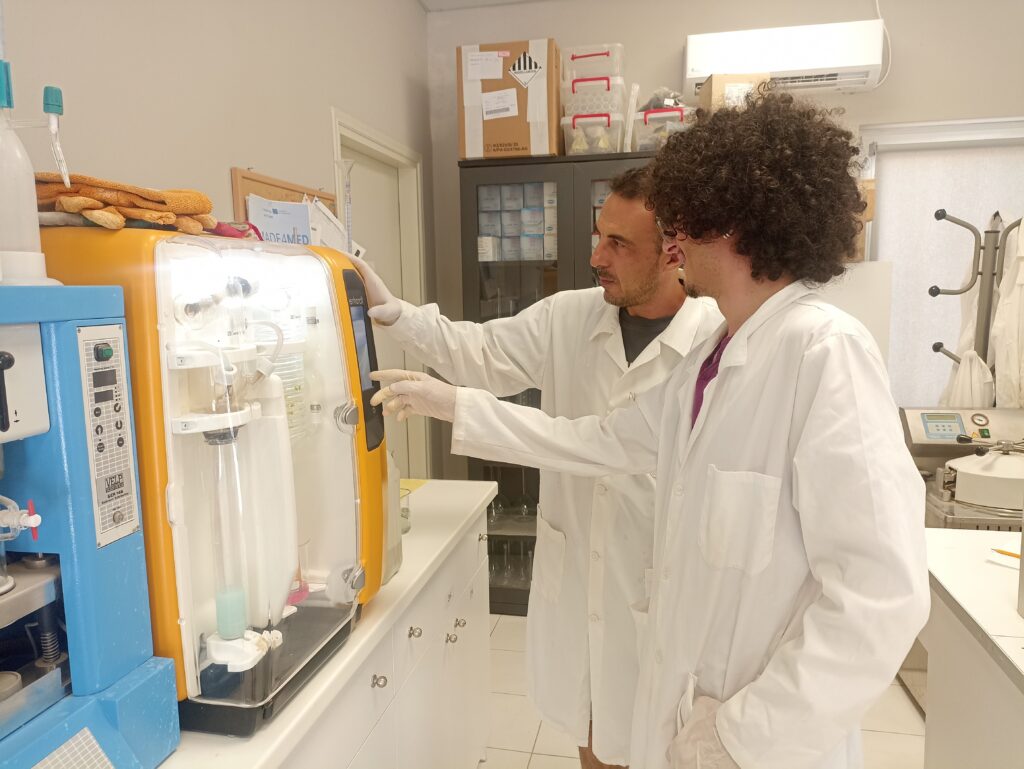
After collecting soil and plant samples from experimental plots, researchers at the Laboratory of Natural Resources Management and Agricultural Engineering of the Hellenic Mediterranean University (HMU) have started the analytical phase of their work. The question they are answering is a practical one for farmers, water utilities and public authorities across the Mediterranean: what happens to a soil when treated sewage sludge is applied to it?
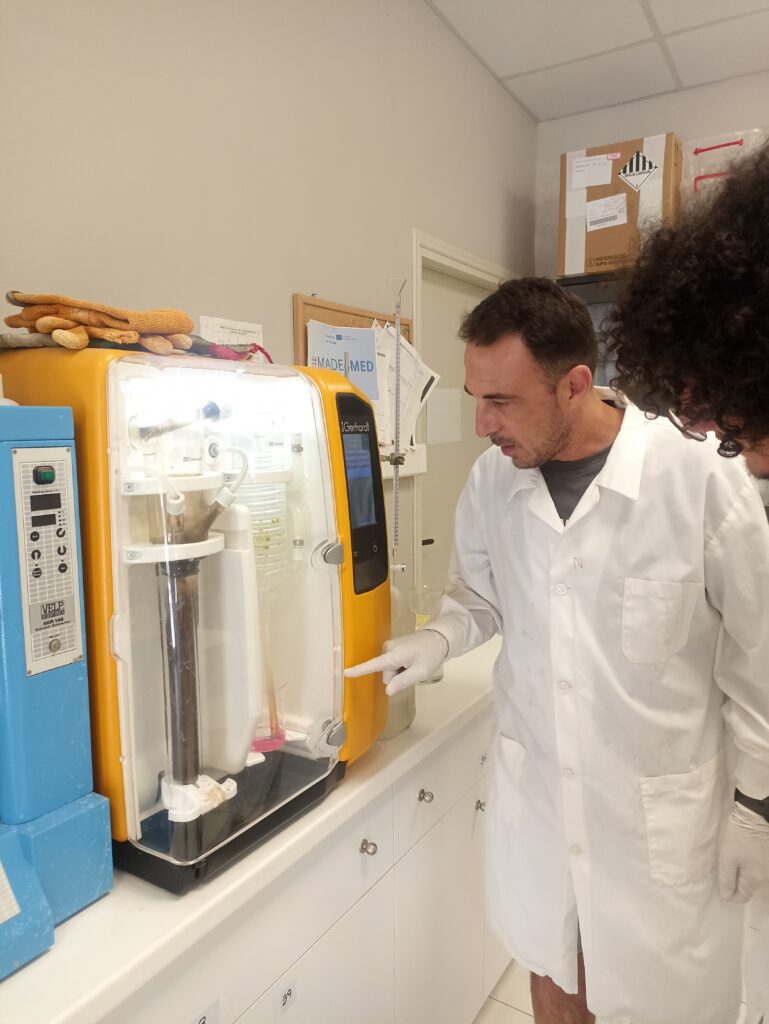
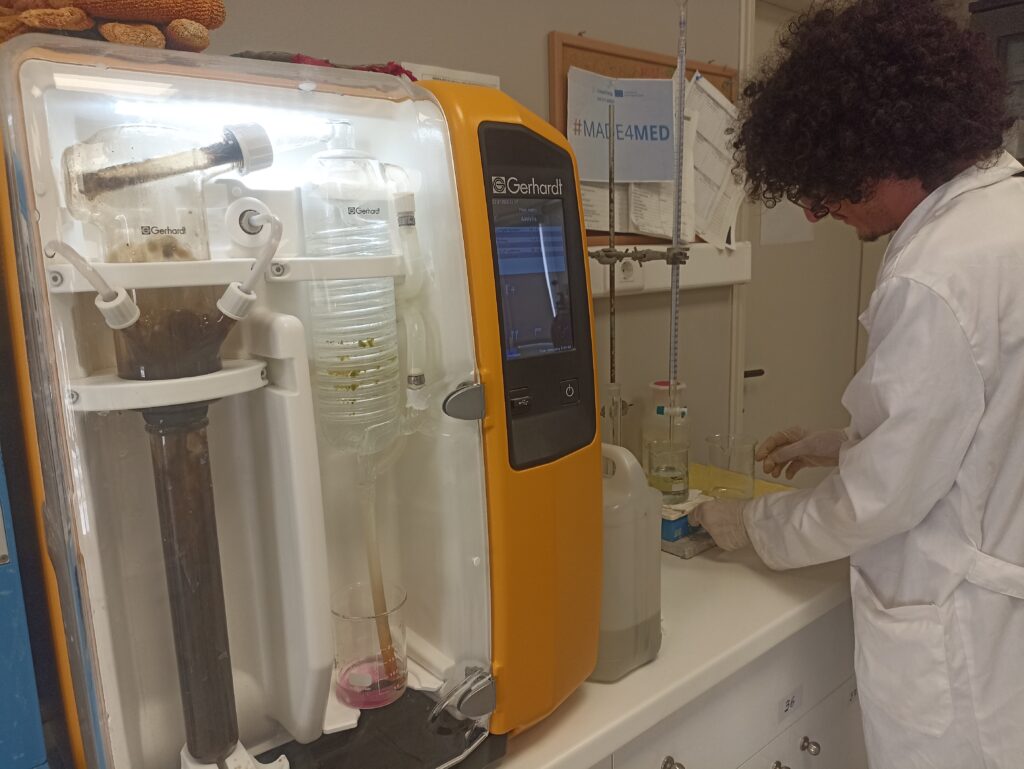
The first parameter under examination is nitrogen, measured in both soil and plant tissue with a well-established laboratory technique known as the Kjeldahl method. Nitrogen is one of the nutrients plants need most, and it is also one of the clearest indicators of how fertile a soil is and how efficiently nutrients travel from the sludge into the crop.
These measurements matter beyond the laboratory bench. Sewage sludge is produced in growing quantities by every wastewater treatment plant in the region, and its disposal is a costly and sensitive issue. If treated sludge can safely return nutrients to agricultural land, it stops being a waste to get rid of and becomes a resource that reduces the need for synthetic fertilisers — one of the core ideas behind Sludge2Energy and behind the circular economy more broadly.
The analyses now under way at HMU will feed into the wider environmental assessment of sludge application in agriculture, which the project is carrying out alongside its pilot activities in Cyprus, Türkiye and Jordan.
Further laboratory results will be published on this page as the analytical campaign progresses.
 Next Med