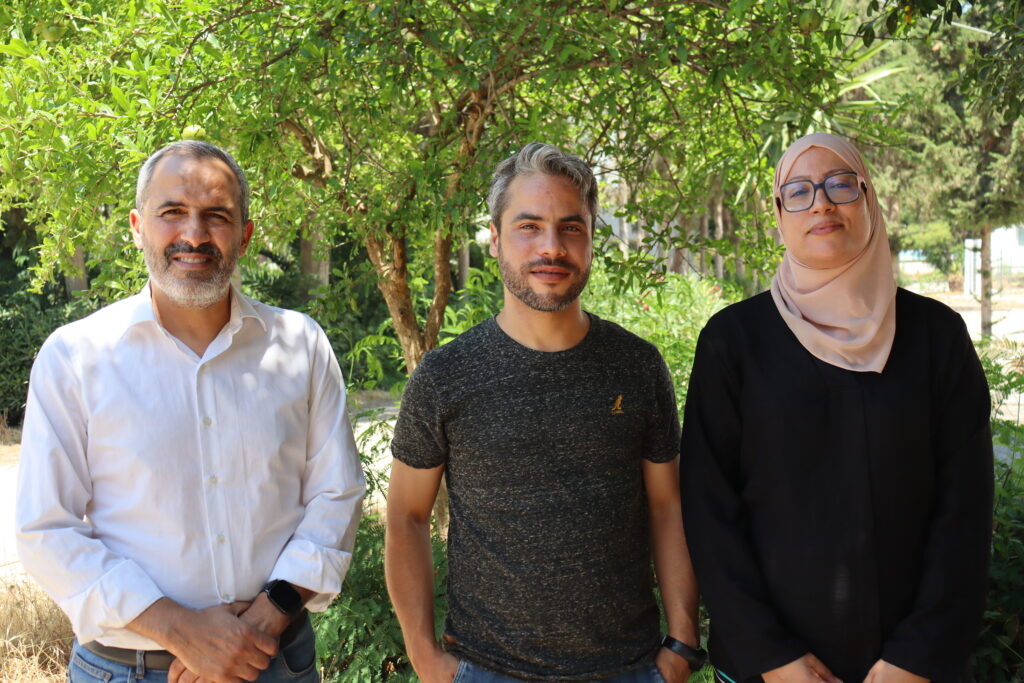
Meet the People Behind MedFireWise in Tunisia: Connecting Science with Communities

From advancing forest research to working alongside local communities, the team at the National Research Institute of Research in Rural Engineering, Water and Forests (INRGREF) is helping shape more resilient landscapes across Tunisia and the Mediterranean.

Publication Date
23/07/2026
Reading Time
3 minutes

Wildfire resilience is often associated with satellite technology, scientific models and emergency response. But during our conversation with the Tunisian team behind MedFireWise, another message emerged just as clearly: lasting solutions begin with people.

At the National Research Institute of Research in Rural Engineering, Water and Forests (INRGREF), research is not confined to laboratories or scientific publications. It is developed alongside forest authorities, local communities and fellow Mediterranean partners to ensure that knowledge leads to practical action.

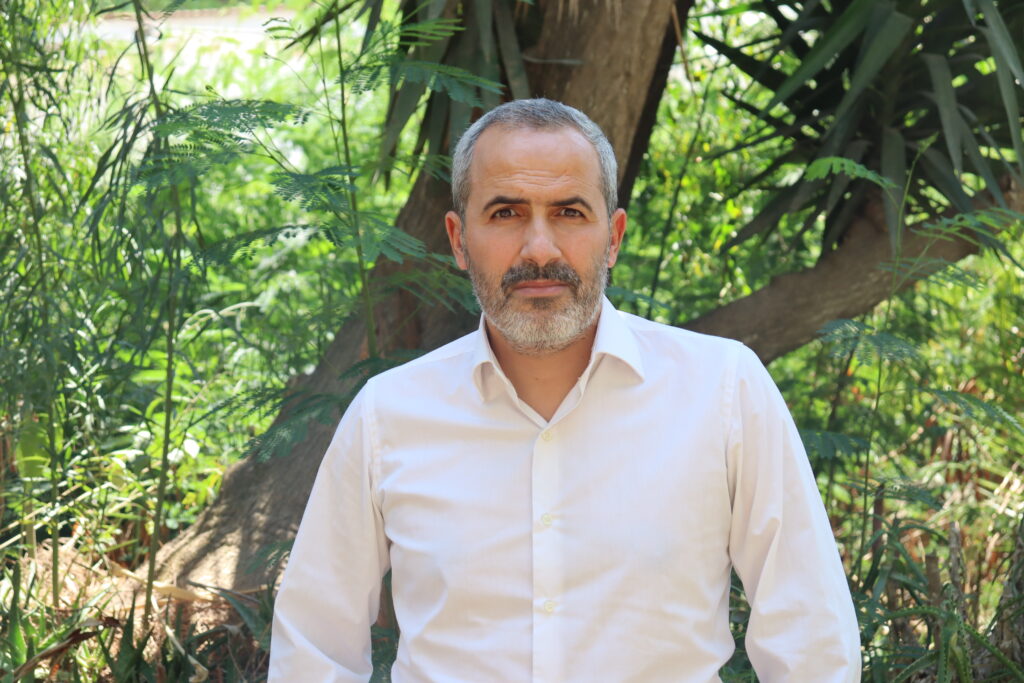
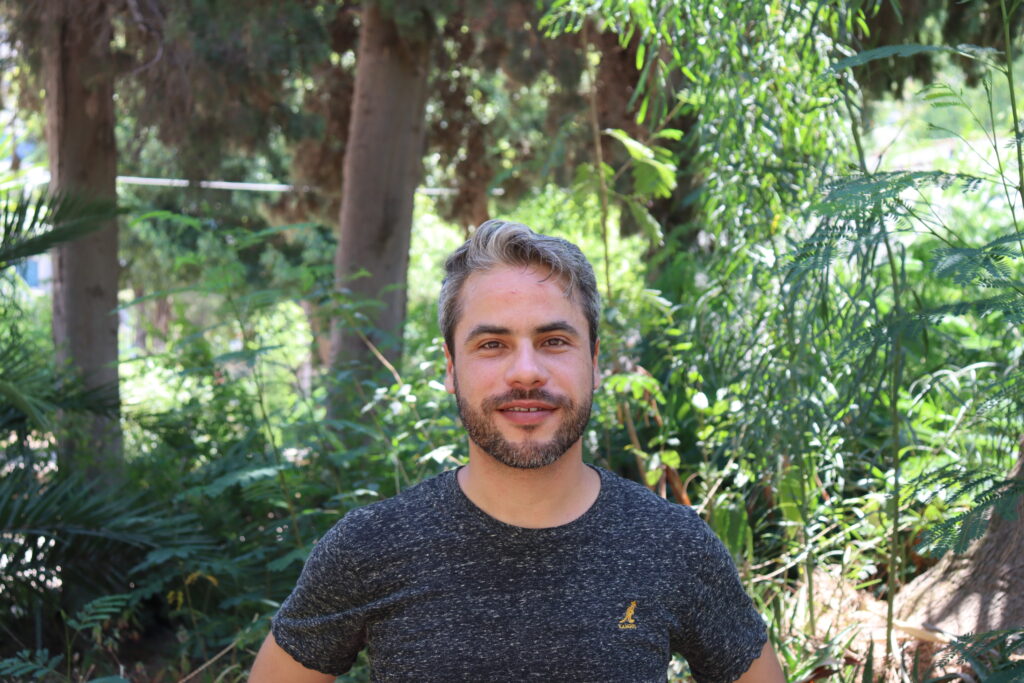
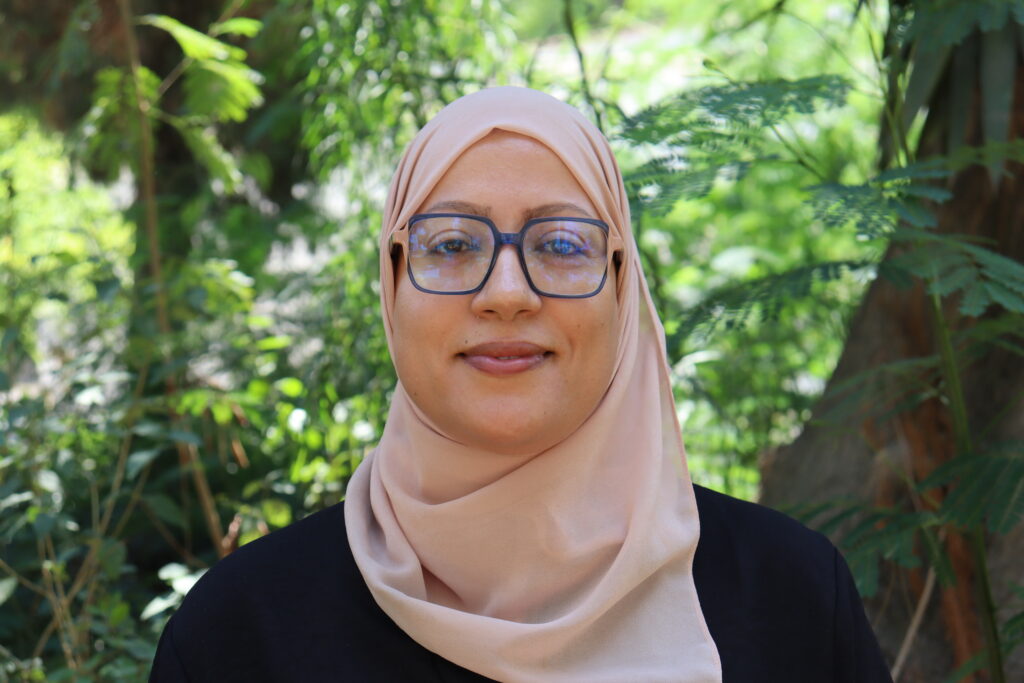
We spoke with Dr. Issam Touhami, Dr. Hamdi Aouinti and Eng. Intissar Zarrouk about their work within MedFireWise, the wildfire challenges facing Tunisia and the importance of working together across the Mediterranean.

Building the Scientific Foundation

As Tunisia’s partner in MedFireWise, the National Research Institute of Research in Rural Engineering, Water and Forests contributes long-standing expertise in sustainable forest management, climate adaptation and environmental research.

For Dr. Issam Touhami, scientific leadership goes beyond generating knowledge—it is about ensuring that research can support those responsible for protecting forests.

“Our primary mission is to bridge the gap between advanced academic research and practical forest management,” he explained.

That philosophy guides the institute’s contribution to the project. The team combines expertise in Mediterranean forest ecology, climate change adaptation, forest monitoring, and geographic information systems, with close collaboration with public authorities and forest managers.

“Our work doesn’t end with producing scientific results,” Dr. Touhami said. “The goal is to make those results useful for decision-makers and adapted to local ecosystems.”

For the Tunisian team, scientific excellence is only meaningful if it helps improve the way forests are managed and protected.

Turning Research into Action

If Dr. Touhami described the scientific vision, Dr. Hamdi Aouinti explained how that vision became reality.

Tunisia’s forests face increasing pressure from climate change, prolonged drought, vegetation accumulation, and changing environmental conditions. Understanding these challenges requires scientific knowledge—but solving them requires dialogue.

Throughout the conversation, Hamdi repeatedly returned to one idea: effective wildfire prevention begins by listening.

“We have the capacity to translate complex ecological research into public policy and field management,” he explained, describing the team’s close collaboration with forest authorities, policymakers, and local communities.

This relationship is one of the team’s greatest strengths. Through stakeholder workshops, focus groups, and regular exchanges with local communities, researchers gather practical knowledge that helps shape project activities and ensure that proposed solutions respond to real needs.

Rather than presenting science as something developed independently and shared afterwards, the team works with the people who manage forests every day, making dialogue an essential part of the research process.

As we discussed the role of local communities during the interview, it became clear that this collaborative approach is what distinguishes the Tunisian partner. Research does not remain within the institute—it becomes part of an ongoing conversation between scientists, practitioners, and decision-makers.

Learning Together Across the Mediterranean

For Eng. Intissar Zarrouk, the strength of MedFireWise lies not only in what each partner contributes individually, but in what they can achieve together.

“By working closely together, we exchange not only knowledge, but we also share experience and adapt innovative approaches to different landscapes,” she said.

Bringing together researchers, forest managers, Earth Observation specialists and practitioners from seven Mediterranean countries creates opportunities to compare experiences, learn from different approaches and adapt successful practices to local realities.

Wildfires may affect each country differently, but many of the underlying challenges are shared. For Intissar, cooperation makes it possible to build solutions that are both scientifically robust and practically relevant across the region.

Looking Ahead

When asked what they hope MedFireWise will leave behind, the conversation naturally shifted from project activities to long-term impact.

The team hopes the project will strengthen the role of Nature-Based Solutions in wildfire risk management, support better-informed decision-making and encourage closer collaboration between researchers, institutions and local communities. More importantly, they hope the partnerships, knowledge, and trust built throughout the project will continue well beyond its lifetime.

Although each member of the team approached the discussion from a different perspective, their messages came together around a common vision. Dr. Issam Touhami highlighted the importance of building strong scientific foundations. Dr. Hamdi Aouinti reminded us that meaningful solutions are developed alongside the people who know the landscape best. Eng. Intissar Zarrouk emphasised that cooperation across the Mediterranean strengthens every local effort.

Together, they illustrate what MedFireWise is ultimately about: connecting science, people, and cooperation to build more resilient landscapes for the future.

Partner Spotlight Series

This article is part of the MedFireWise Partner Spotlight series, highlighting the people and organizations working together to strengthen wildfire resilience across the Mediterranean.


Gallery

Last Update

23/07/2026