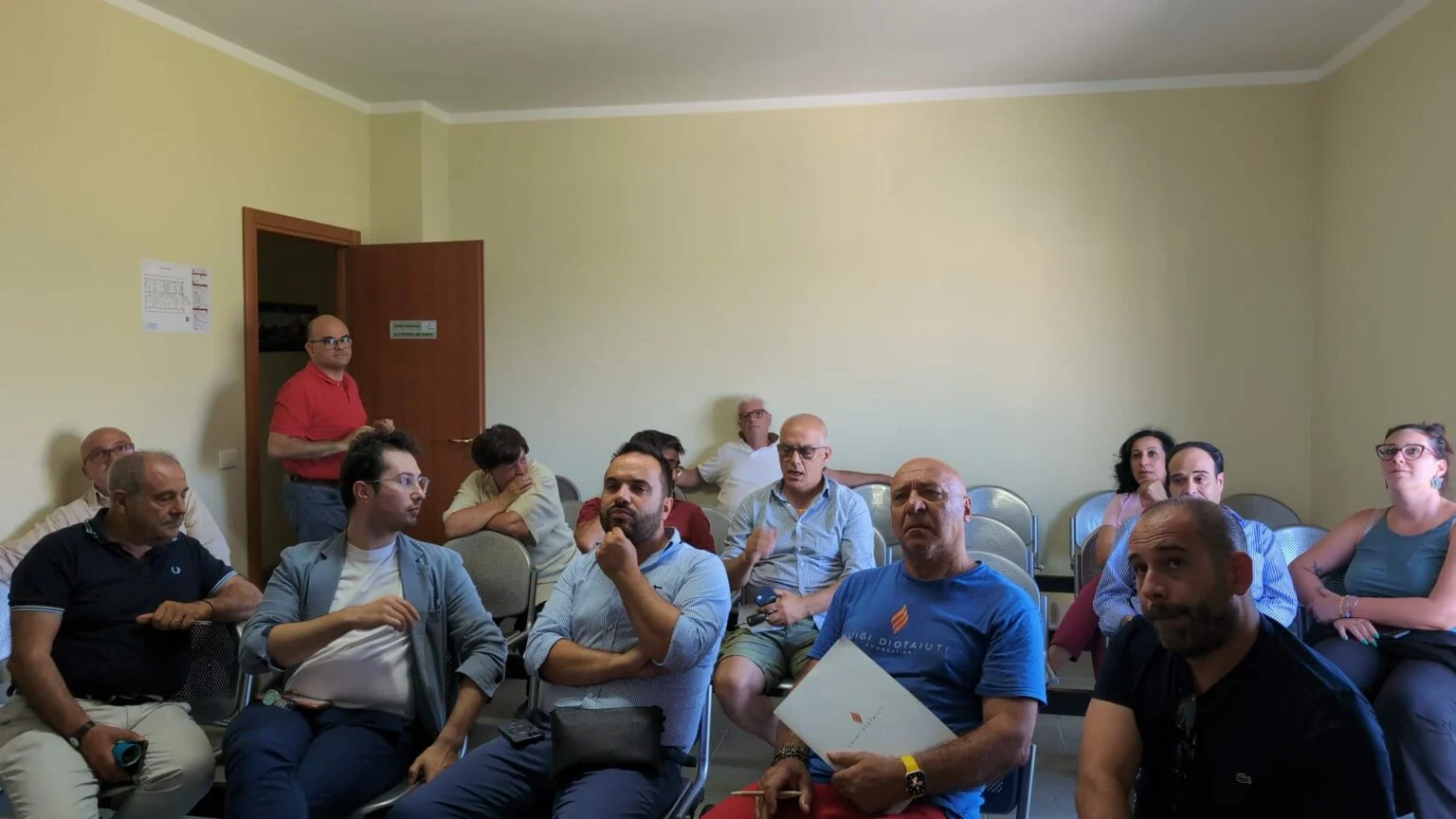
As part of the project, Rural Living Labs have been launched as participatory processes involving a wide range of local stakeholders—including businesses, public authorities, associations, citizens, young people, and local organizations—with the aim of discussing local needs and jointly developing new solutions.
Following an initial phase focused on listening, collecting existing experiences across the territories, and identifying the main challenges to address, the Rural Living Labs are now entering the co-design phase, during which participants will work together to develop ideas, actions, and pilot initiatives. This stage represents the core of the process. Rather than simply gathering opinions, it creates a collaborative space where diverse expertise can come together to develop practical responses to the challenges faced by rural areas.
Rural and inland areas are home to a wealth of valuable resources, including outstanding landscapes, high-quality agricultural products, cultural heritage, traditions, biodiversity, and communities with deep-rooted connections to their territories. At the same time, these areas face significant challenges, such as improving services, strengthening cooperation among local stakeholders, creating new opportunities for young people, and developing a more structured and innovative tourism offer.
These are precisely the issues the Rural Living Labs aim to address by connecting those who experience these territories every day with those who can contribute through new skills, tools, and ideas.
The strength of this approach lies in participation. The most effective solutions emerge when public authorities, businesses, associations, and local communities work together, sharing knowledge and experience. Every contribution helps build a clearer vision for the future of rural areas and identify actions that can make a real difference. Taking part in the Rural Living Labs means playing an active role in a process of change: sharing perspectives, identifying local needs, proposing ideas, and contributing to the creation of new opportunities for the territory.
The co-design phase is a key milestone in transforming the work carried out so far into concrete proposals while strengthening connections among all stakeholders who can contribute to the development of rural tourism. The future of rural areas is built through the collaboration and active participation of the people who live and work there every day.
The CLUSTERATLAS4MED Rural Living Labs journey continues through a series of meetings progressively involving different areas across the Basilicata region. The first meeting was hosted by GAL START2020 in Metaponto, followed by the second event organized by GAL PERCORSI in Potenza. Subsequently, a series of meetings took place at the EXO headquarters in Potenza, providing a space for dialogue and collaboration among the various stakeholders involved in the process. The latest meeting was hosted by GAL LA CITTADELLA DEL SAPERE, further strengthening cooperation among local territories, businesses, institutions, and communities.
The Rural Living Labs calendar continues with several upcoming events already scheduled:
- 20 July at GAL LUCUS in Genzano di Lucania;
- 22 July in Potenza;
- a further meeting at GAL LUCANIA INTERIORE in Sant’Arcangelo.
This phase marks a crucial step in the overall process. Each meeting helps broaden the dialogue, gather new perspectives, and transform the needs identified across the territories into shared ideas and proposals. The active participation of local stakeholders therefore remains essential to jointly creating new development opportunities for rural areas and turning the co-design process launched by CLUSTERATLAS4MED into concrete action.
 Next Med