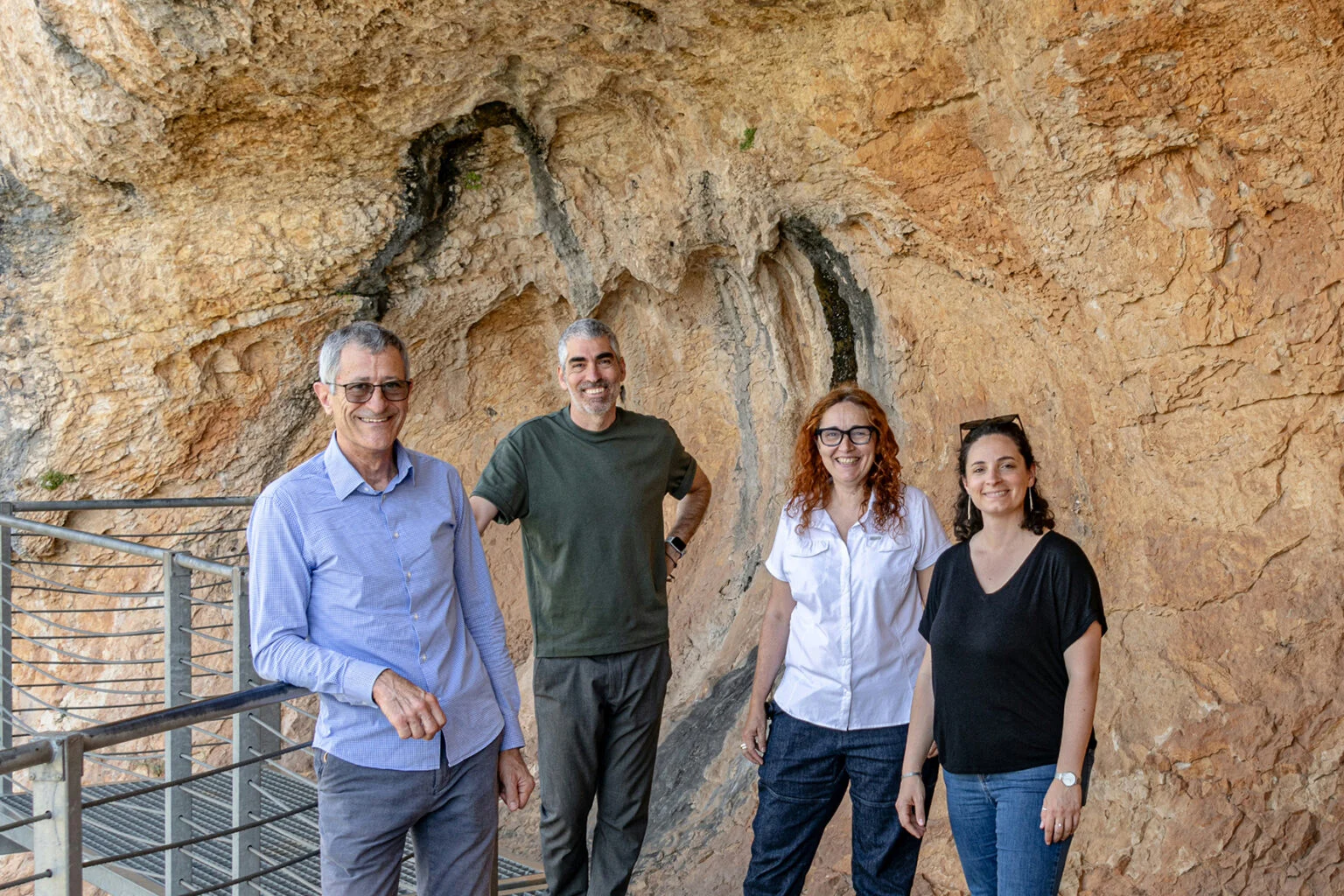
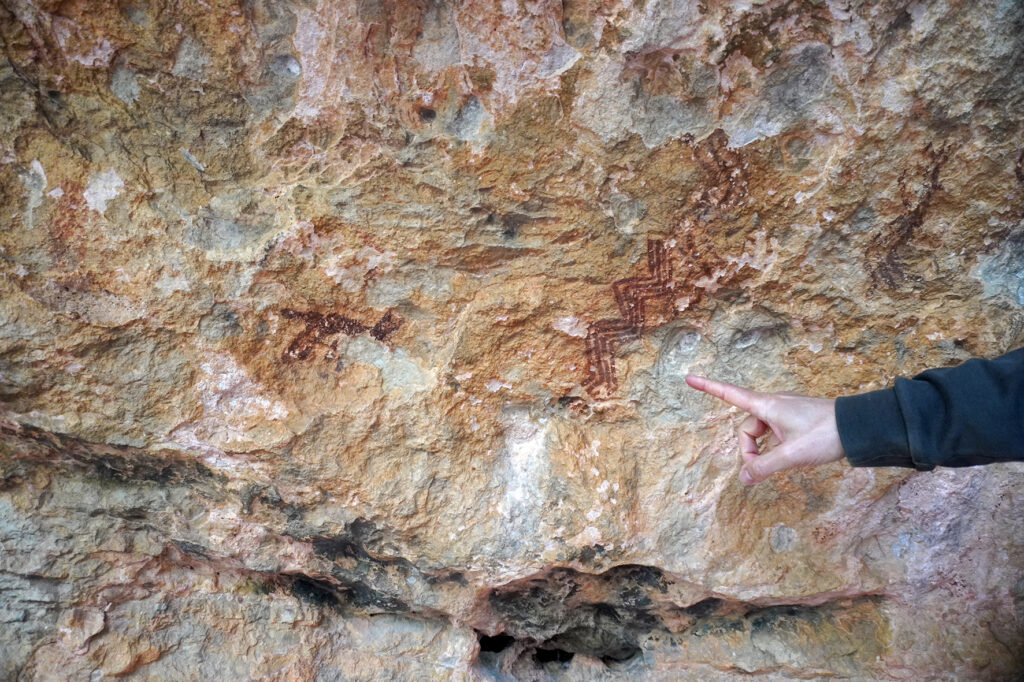
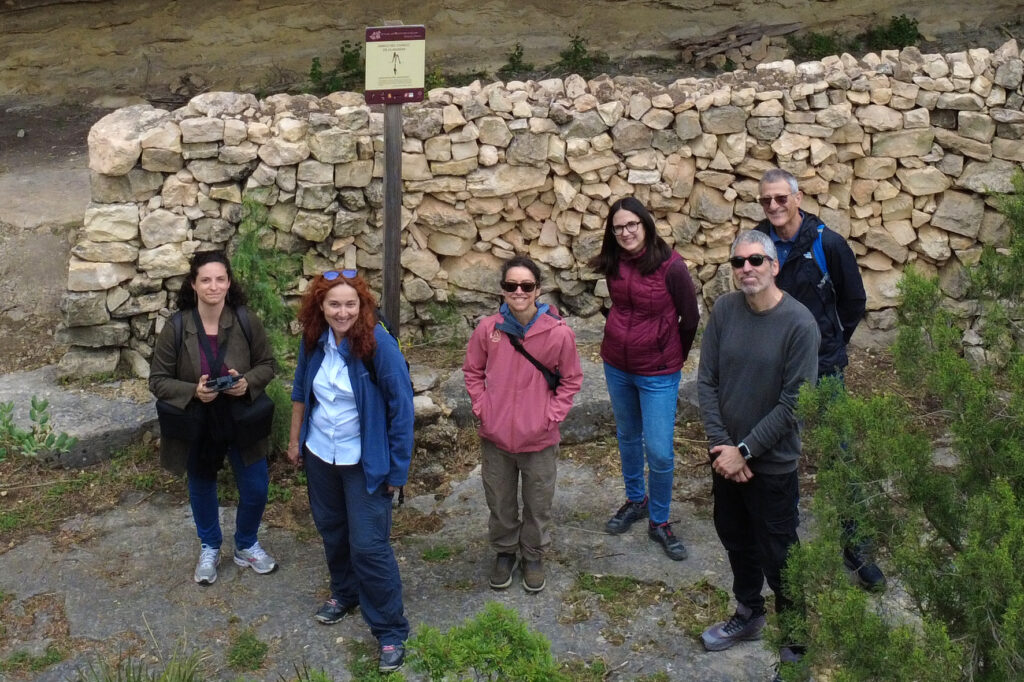
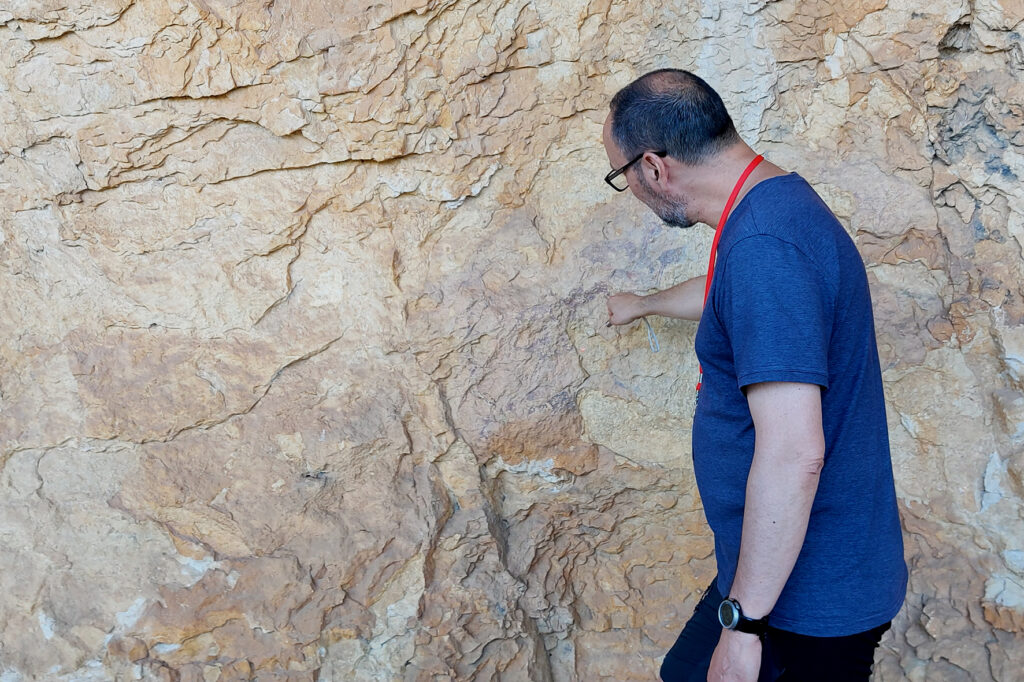
Within the framework of the DIEM project, the Institute for Heritage Restoration (IRP) at the Universitat Politècnica de València (UPV) has undertaken a technical visit to two Spanish sites that form part of the Rock Art of the Mediterranean Basin on the Iberian Peninsula, inscribed on the UNESCO World Heritage List in 1998.
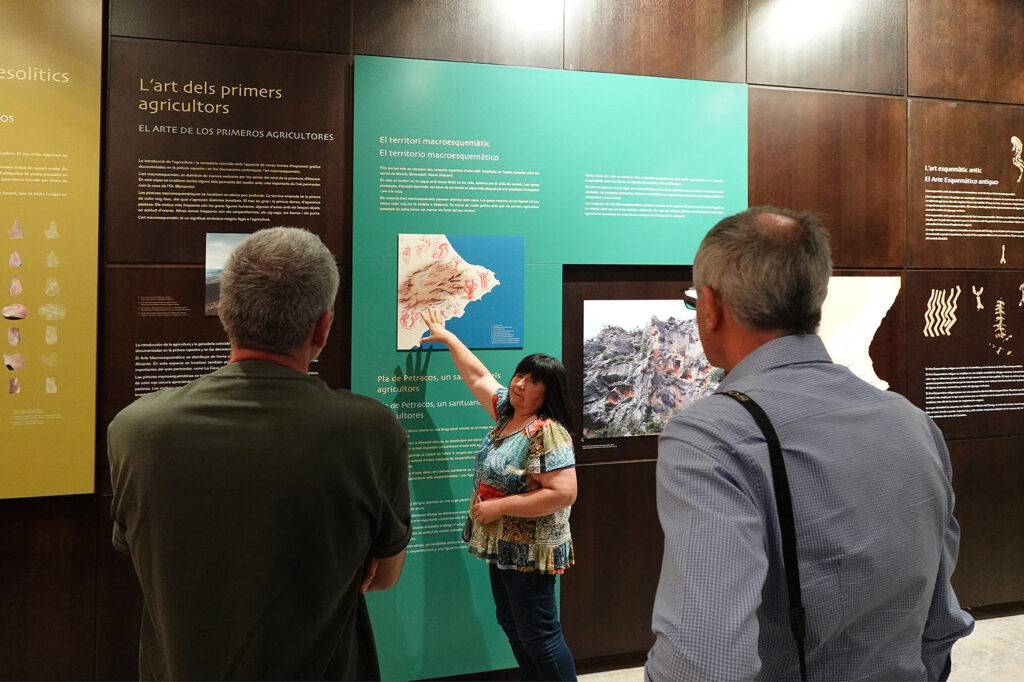
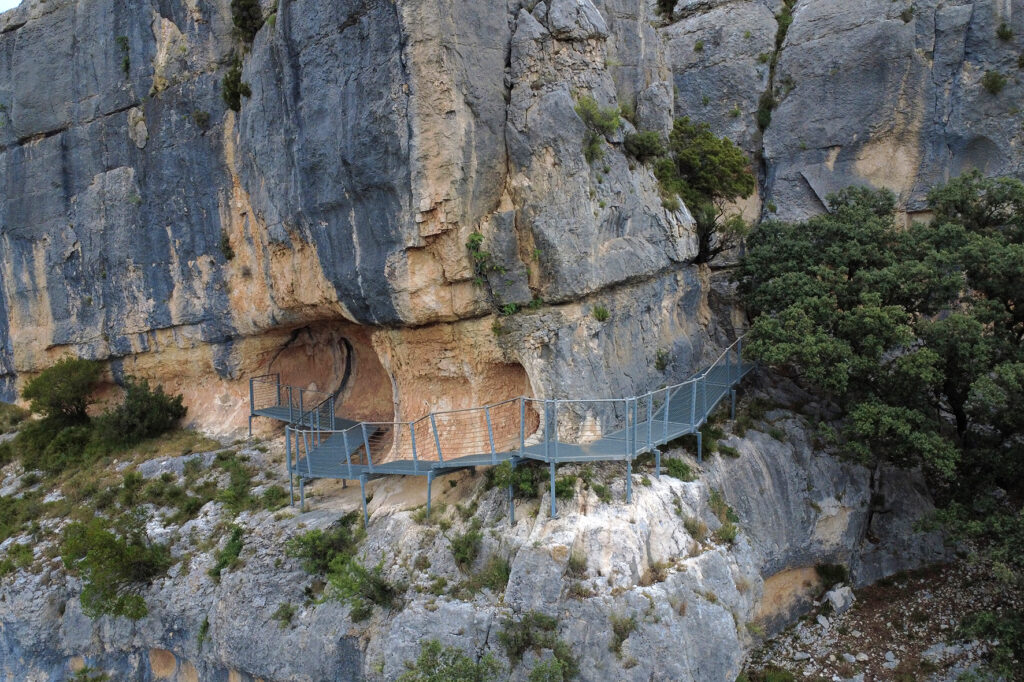
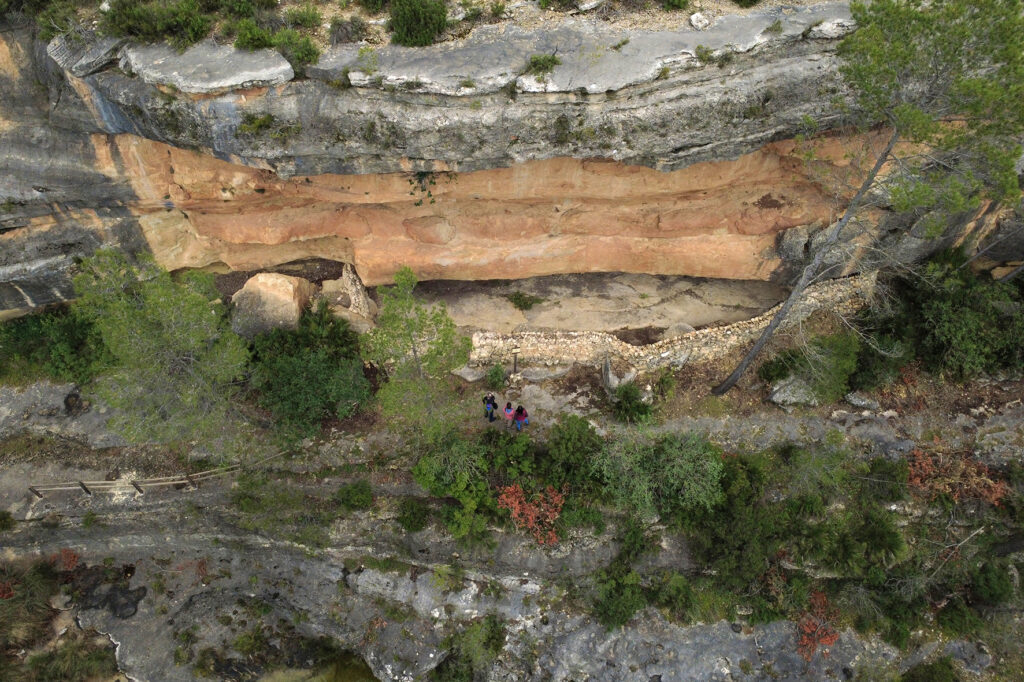
The first visit took place in the Province of Valencia, where the project team explored Barranco Moreno and the Bicorp Ecomuseum, two key locations for interpreting the remarkable Rock Art of the Caroig Massif. The visit was hosted by the Mayor of Bicorp, Nuria Mengual Aparicio, and Trinidad Martínez, the municipality’s Rock Art Heritage Manager, who shared their experience in the conservation, management, and public dissemination of this unique prehistoric heritage.
The programme continued in the Province of Castellón with a visit to the Valltorta Museum and the renowned Cova dels Cavalls, one of the most significant rock art ensembles within the Valltorta–Gasulla Cultural Park. The delegation was accompanied by the Museum Director, Pilar Vidal Monferrer, together with a specialist guide, on an itinerary that provided first-hand insight into the outstanding archaeological, cultural, and landscape values of this exceptional World Heritage site.
Beyond familiarising themselves with these heritage locations, the principal objective of the visits was to prepare the workshops that the DIEM project will implement at both pilot sites and to reinforce collaboration with the institutions and heritage professionals responsible for their conservation, management, and public interpretation.
These meetings provided an opportunity to exchange knowledge and experience, gain a deeper understanding of the specific needs and characteristics of each site, and establish a robust foundation for the forthcoming phases of the project. Direct engagement with local management teams is essential for designing activities that respond effectively to the realities of each heritage context while fostering the development of innovative tools for training, public participation, and community engagement.
Through these technical visits, the DIEM project continues to strengthen its collaborative network across the Mediterranean, advancing initiatives that position cultural heritage as a strategic resource for knowledge creation, social inclusion, and sustainable development in close partnership with local communities.
 Next Med