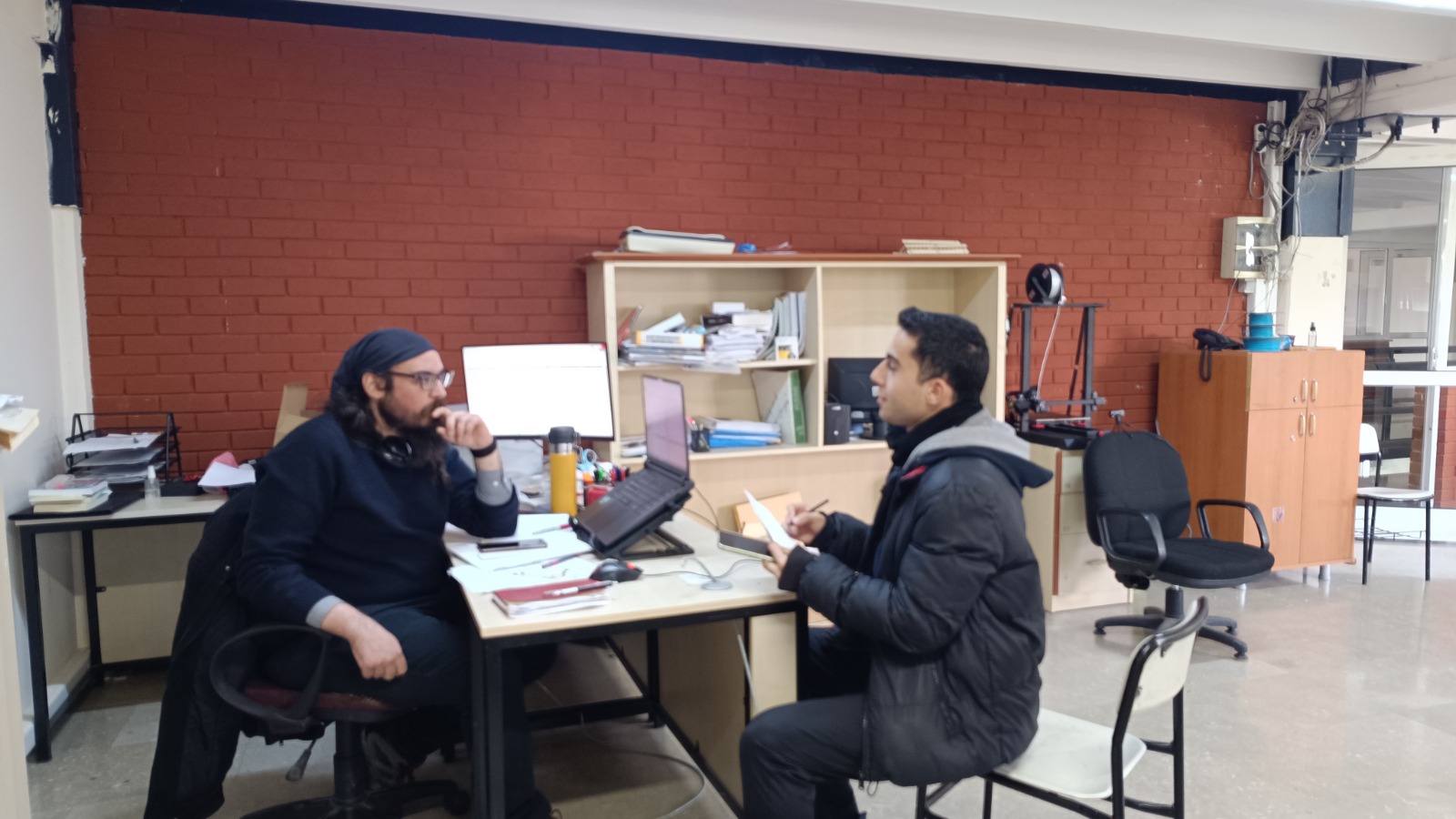
Within the framework of the RESt4GREEN, the partner Izmir Institute of Technology (IZTECH) carried out targeted interviews with key building stakeholders, including Operations & Maintenance (O&M) personnel and Teaching Assistants (TAs), to better understand building performance from a technical perspective.
This dual-perspective approach revealed a critical insight: while the building is technically operational, it remains performance-deficient, highlighting the need for deeper, user-centred improvements.
🔍 The “Comfort Perception Gap”
One of the most important findings is the existence of a clear gap between technical perception and user experience.
- O&M staff describe the systems as “mostly functional” and report that complaints are infrequent
- In contrast, daily users report frequent discomfort, with some stating there is no thermal comfort at all
This suggests that existing feedback and reporting mechanisms may not fully capture the real user experience inside the building.
Despite differing views on comfort, both technical staff and users strongly agree on the building’s core issues:
- Aging and inefficient equipment
- Fragmented HVAC strategy
- Outdated lighting systems (fluorescent bulbs)
- Significant heat losses through old windows and aluminium frames
- A central system that has been non-operational for over a decade
These findings clearly point to a building that requires comprehensive modernization to meet today’s energy and comfort standards.
Both groups highlight the urgent need for upgrades, proposing solutions such as:
- Installation of advanced VRF systems
- Replacement of old lighting with energy-efficient LED technologies
These interventions would not only improve comfort levels but also lead to lower energy consumption and reduced carbon emissions.
The results confirm that the building is structurally ready for a green retrofit transformation. Bridging the gap between technical operation and user needs is essential to ensure that buildings are not only functional, but also comfortable, efficient, and sustainable.
 Next Med