YouthCARE4Planet: Youth Mobilize to Rebuild and Protect Their Territory After Cyclone Harry in Sicily

In January 2026, Cyclone Harry hit Sicily, causing floods and coastal damage. Young people quickly mobilized, helping communities, coordinating relief, and raising awareness about climate change and resilience in the Mediterranean.

Publication Date
26/02/2026
Reading Time
3 minutes

This article is part of a series of stories that explore environmental challenges and youth initiatives in each country and region participating in YouthCARE4planet project in the Mediterranean.

A storm that laid bare Sicily’s vulnerabilities

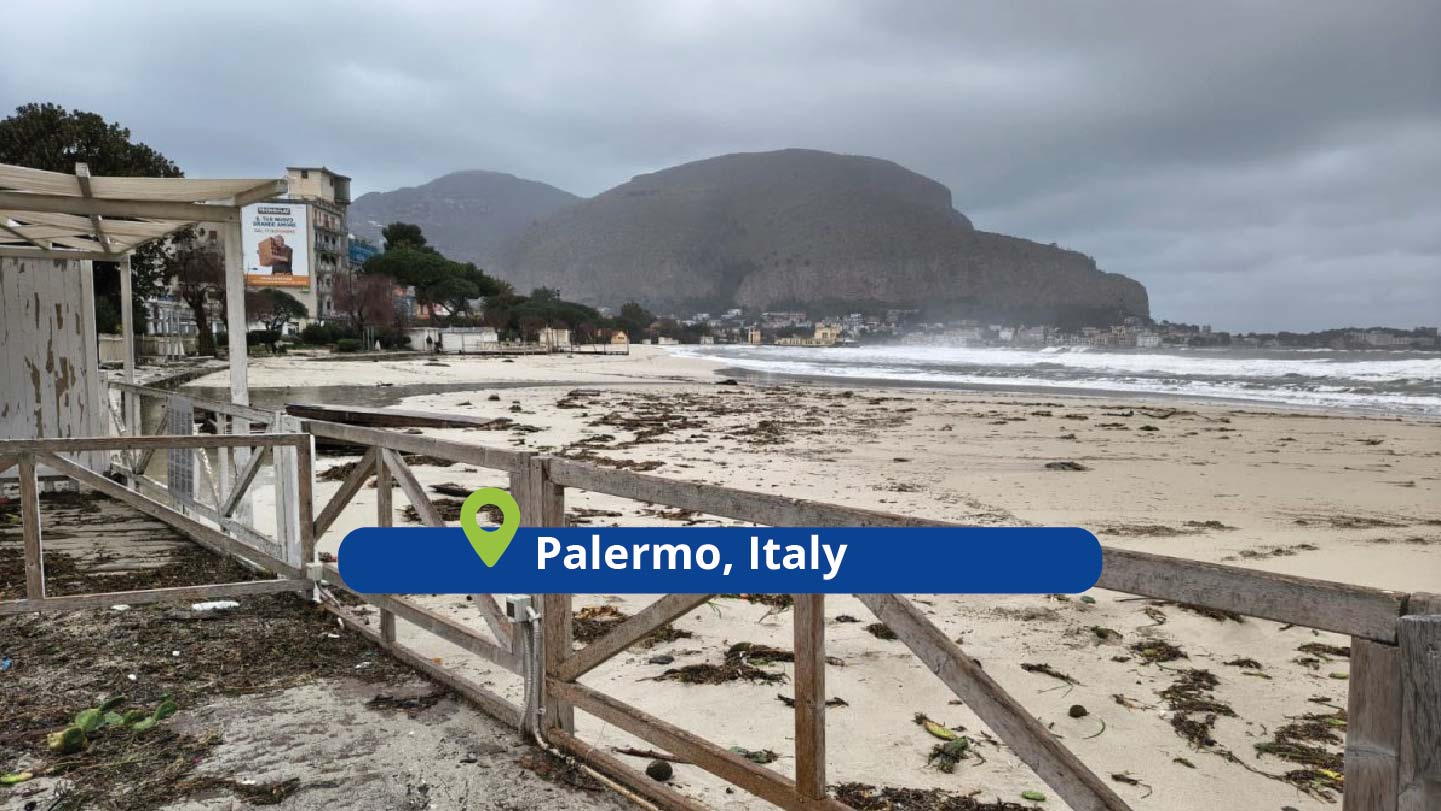
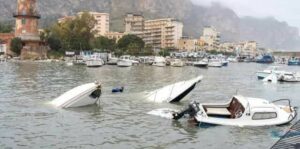
Cyclone Harry hit Sicily, the largest island in the Mediterranean located south of mainland Italy, with historic cities like Palermo, Catania, and Syracuse, and landscapes ranging from beaches to mountains and the active volcano Mount Etna. Flooded neighborhoods, eroded coastlines, and fragile infrastructure pushed communities to the brink. In Palermo, storm surges swept across streets and waterfronts, while intense rainfall and strong winds exposed chronic structural weaknesses. Yet, unlike similar extreme events in northern Italy, the emergency in Sicily struggled to gain adequate space in the national debate. Italian authorities declared a state of emergency and released funds to help affected areas (ANSA source).

A familiar sense of marginalisation

Among residents and social workers, a familiar feeling emerged: the South was once again treated as peripheral—briefly mentioned, rarely listened to, and addressed mainly through short-term emergency measures. Calls for long-term investments, prevention plans, and structural interventions remained largely in the background, as media and political attention quickly shifted elsewhere. This pattern is not new, but Cyclone Harry made it harder to ignore. The damage, estimated at billions of euros, with only a fraction covered by public funds, illustrates how limited the response was (La Costa Group source).

When institutions fall short, youth step in

In this vacuum, action came from below—and above all, from young people. In Palermo, Niscemi, and across the island, young volunteers chose not to wait. Members of Associazione Cambia organized cleanups of streets and homes, helped reopen local businesses, and supported families affected by flooding (Time for Sicily). At the same time, volunteers connected with Plastic Free Onlus ran collection points, distributed essential supplies, and helped coordinate temporary shelters (Plastic Free Instagram). Beyond physical support, these youth networks also used social media to share updates, document damage, and maintain attention on communities at risk of being forgotten.

From emergency response to political awareness

Youth engagement went beyond physical help. It was also political and cultural. Through videos, posts, and testimonies shared online, young Sicilians documented damage, raised questions, and demanded accountability.

A clear awareness emerged: climate change does not affect everyone equally. It amplifies long-standing inequalities, especially in places like southern Italy, where decades of underinvestment, poor maintenance, and weak planning have left communities more exposed.

Building resilience from the ground up

While institutions struggle to respond with continuity and vision, young Sicilians are building a form of everyday resilience step by step. Not out of heroism, but out of necessity. Living on the island often means knowing that the first response will not come from above, but from those who inhabit these places and know them deeply.

Cyclone Harry was not just an extreme weather event. It was a mirror of a country moving at two different speeds. But it was also proof that in Sicily, a generation is no longer willing to accept invisibility, transforming care for the territory into a collective, political, and daily act.

And perhaps today, the most authentic attention to the South does not come from headlines or government halls, but from young people who choose to stay, act, and take responsibility for their future.

Last Update

26/02/2026