Across Europe and the Mediterranean, emergencies are becoming more frequent and complex. Heatwaves, floods, earthquakes, and other climate-related hazards are placing growing pressure on public health systems, often overwhelming hospitals, disrupting services, and delaying life-saving responses. In recent years alone, extreme heat has caused tens of thousands of deaths, while floods have generated billions of euros in damage and affected millions of people.
When crises strike, health systems face sudden surges in demand, damaged infrastructure, limited resources, and fragmented information. These challenges make it harder for authorities to anticipate needs, coordinate responses, and protect the most vulnerable populations. Traditional emergency management approaches, which often rely on reactive and siloed decision-making, are no longer sufficient.
From reacting to anticipating emergencies
Artificial intelligence (AI) is changing how emergencies are managed by helping key health actors move from reacting after a crisis hits to anticipating risks before they escalate. By analyzing large volumes of data, including environmental indicators, population information, and health system capacity, AI can support earlier warnings, faster decisions, and more efficient use of resources.
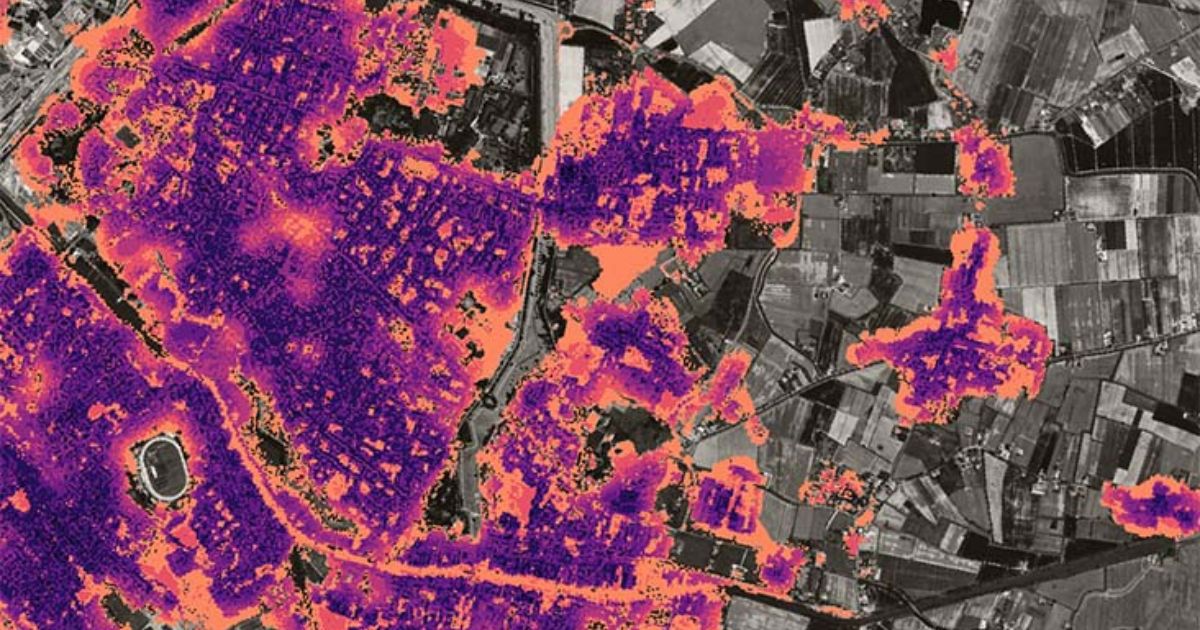
AI-powered tools can help forecast spikes in healthcare demand during heatwaves, identify neighborhoods most exposed to flooding or seismic risk, or support authorities in prioritizing interventions where they are needed most. When combined with geospatial data, such as satellite imagery and digital maps, these tools provide a clearer picture of how hazards affect people, infrastructure, and services across entire territories.
Smarter decisions, stronger coordination
During emergencies, timing and coordination are critical. AI-driven decision-support systems can process real-time information from multiple sources, including weather data, hospital admissions, and mobility patterns, to help emergency managers identify emerging hotspots and respond faster. This improves coordination between health services, civil protection agencies, and local authorities, reducing delays and preventable health impacts.
By supporting evidence-based planning and resource allocation, AI helps ensure that teams, equipment, and support services are deployed efficiently, even in fast-changing crisis situations.
MEDAIGENCY: Leveraging AI to strengthen health systems
In the Mediterranean region, where climate risks are particularly high, MEDAIGENCY is working to strengthen health emergency preparedness, response, and recovery through the responsible use of artificial intelligence. The project integrates AI and geospatial data into decision-support tools tailored for public authorities, health services, and civil protection actors.
By promoting ethical, data-driven solutions and improving coordination across borders, MEDAIGENCY aims to help health systems anticipate crises, respond more effectively, and recover faster — ultimately protecting lives and strengthening resilience across the Mediterranean.
MEDAIGENCY is co-funded by the EU under the Interreg NEXT MED Programme, led by the Humanitarian Engineering Initiative at the American University of Beirut, in partnership with Latitudo40, Institute of Community and Public Health at Birzet University, Eticas Research and Consulting S.L, İzmir Kâtip Çelebi University, and So.Re.Sa. S.p.A. – Società Regionale per la Sanità.
Article originally published on Latitudo40’s blog. For the full article, click here.
 Next Med