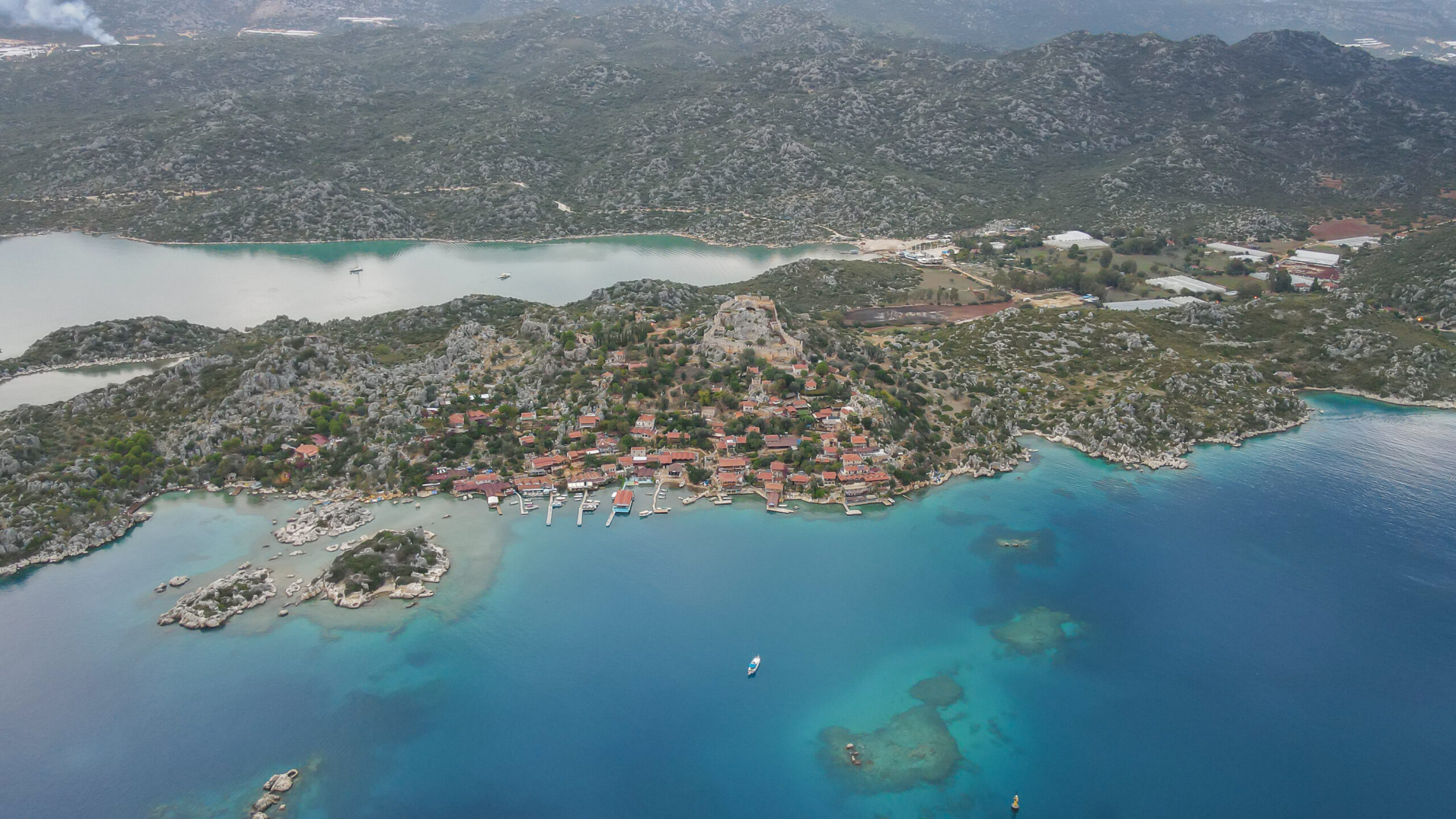
Discover Kaş–Kekova, MedPROACT’s pilot area in south-west Türkiye, home to rich biodiversity and vital species conservation
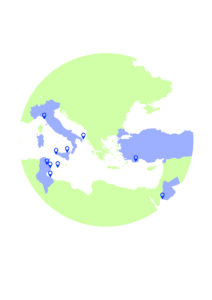
MedPROACT will implement its activities in 10 pilot areas spread across the Mediterranean Sea, in all the four countries represented in the project. Türkiye, through project partner The Mediterranean Fisheries Research, Production and Training Institute, hosts one pilot site, where on the 10th of February the project’s launch event and the first meeting of the Local Working Group on Climate Change Adaptation will take place.
Publication Date 30/01/2026
Reading Time 2minutes
default
MedPROACT will implement its activities in 10 pilot areas spread across the Mediterranean Sea, in all the four countries (Italy, Tunisia, Jordan and represented in the project.
This site is the Kaş–Kekova Special Environmental Protected Area (SEPA), located on the southwestern coast of Türkiye in Antalya province. This area encompasses the coastal waters between Kaş and Demre, including Kekova Island and adjacent bays. It was officially designated as a Special Environmental Protected Area in 1990 and expanded in 2006, covering approximately 260 km² of marine and coastal habitats.
The area comprises rocky shores, Posidonia oceanica and Cymodocea nodosa seagrass meadows, sandy bays, coralligenous assemblages, rocky reefs, and underwater archaeological remains. Depths range from shallow coastal zones to over 100 meters in offshore areas.
Kaş–Kekova SEPA hosts rich biodiversity and species of conservation concern, including dusky grouper (Epinephelus marginatus), Mediterranean monk seal (Monachus monachus), and extensive Posidonia oceanica meadows. The area also supports small-scale fisheries, diving, and ecotourism activities.
In recent decades, it has been increasingly exposed to non-indigenous species (NIS), primarily of Indo-Pacific origin entering via the Suez Canal. Invasive species such as lionfish (Pterois miles), rabbitfish (Siganus rivulatus and S. luridus), and silver-cheeked toadfish (Lagocephalus sceleratus) are established, creating ecological and socio-economic impacts.
Why Kaş–Kekova was selected as a pilot area
Kaş–Kekova SEPA is one of the most important marine protected areas in the Eastern Mediterranean, hosting high biodiversity, extensive Posidonia oceanica meadows, and species of conservation concern such as dusky grouper and Mediterranean monk seal.
The area is increasingly affected by climate change and non-indigenous species (e.g. lionfish, rabbitfish), and it supports intense human activities (small-scale fisheries, diving, ecotourism). This combination makes it an ideal site to test science-based management and adaptation actions.
Planned actions in the pilot area
Awareness campaigns and outreach events for local stakeholders and the public
Preparation of a technical report on the analytical characterization of selected invasive alien species (IAS) and non-alien invasive species (NaIS)
Diagnosis of the impacts of climate change and multiple stressors on biodiversity
Training programme focusing on biodiversity protection and ecosystem-based management (EBM) of marine protected areas and coastal ecosystems
Establishment of Local Climate Change Adaptation (LoCA) Working Groups to develop participatory adaptation tools
Expected outcomes
Diversification as a strategy for adapting fisheries to climate change
Restoration and adaptation of endangered coastal and marine environments
Development of plans and guidelines for climate change adaptation, in accordance with national and local frameworks
MedPROACT’s pilot sites map
Last Update
30/01/2026
The Interreg NEXT MED website uses technical, analytics and third-party cookies. By continuing to browse, you accept the use of cookies. Privacy Policy
 Next Med